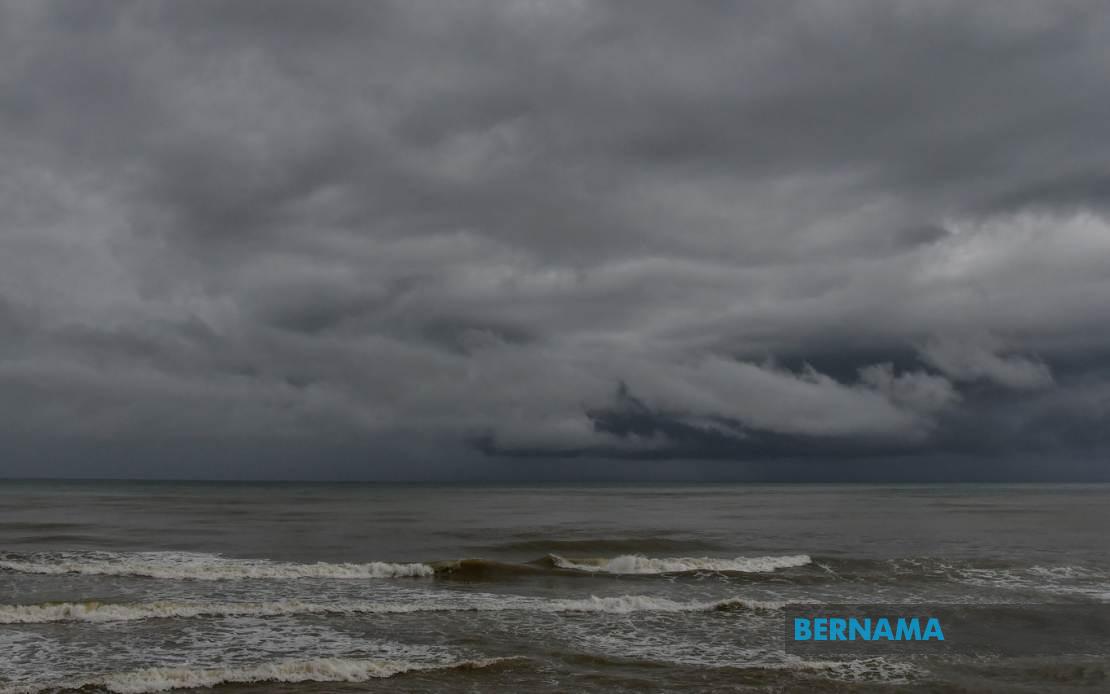
The Malaysian Meteorological Department has issued an urgent advisory for severe weather conditions expected to sweep across much of the country on July 16, with thunderstorms and heavy rainfall affecting numerous districts until the evening hours. The warning encompasses a broad geographical area spanning Peninsular Malaysia, East Malaysia, and the Federal Territory of Labuan, indicating the scale and potential severity of the weather system moving across the region.
In Peninsular Malaysia's northern states, residents of Perlis should prepare for deteriorating conditions, while Kedah residents in Langkawi, Kubang Pasu, Padang Terap, Sik, Baling, Kulim and Bandar Baharu face similar threats. The warning extends into Perak, where the districts of Kerian, Larut, Matang and Selama, Hilir Perak, Batang Padang and Muallim are on alert. These northern and west-coast regions are often vulnerable to such weather systems, particularly during monsoon transitions when atmospheric instability increases significantly.
The Klang Valley region, home to Malaysia's largest urban concentration, also falls within the warning zone. Kuala Lumpur and surrounding Selangor districts including Sabak Bernam, Kuala Selangor, Hulu Selangor, Klang, Gombak and Petaling residents should exercise caution, as thunderstorms in densely populated areas can create sudden flash-flooding hazards in low-lying zones and cause traffic disruptions. The southern portion of Peninsular Malaysia is not exempt, with Johor's Kulai and Johor Bahru districts likewise affected, potentially impacting cross-border commuter patterns and economic activity in this key industrial zone.
In East Malaysia, Sabah residents across the Interior and West Coast divisions face the brunt of this weather system. The West Coast area encompassing Papar, Putatan, Penampang, Kota Kinabalu, Tuaran and Ranau includes Sabah's most populated centres and economic hubs. Sandakan's interior districts of Tongod, Telupid and Beluran are also in the warning zone, suggesting the system has the potential to bring substantial rainfall to less-developed regions where drainage infrastructure may be inadequate.
Sarawak's situation reflects the widespread nature of this weather event. Kapit division, which includes Kapit, Bukit Mabong and Belaga, represents some of Malaysia's most remote and sparsely populated territory, yet the meteorological service determined conditions serious enough to issue precautionary guidance there. The divisions of Miri and Limbang, strategically located in northern Sarawak near international borders, are equally affected, suggesting this is a regionalised weather pattern rather than isolated convection.
Thunderstorms of this magnitude pose multiple hazards beyond heavy rainfall. Strong wind gusts associated with such systems can damage structures, uproot trees, and pose risks to outdoor activities and high-sided vehicles. The combination of heavy rain and strong winds creates compounded risks, particularly for aviation operations, maritime activities, and construction sites. For Malaysian readers accustomed to tropical weather, the specific timing until 9 pm provides a concrete window during which heightened precautions are warranted.
The meteorological department's decision to issue a blanket warning across such a vast geographical area reflects confidence in the forecast reliability and the system's intensity. Unlike isolated thunderstorm advisories that might affect individual districts, this coordinated multi-state alert suggests robust atmospheric conditions favour widespread convective development throughout the afternoon and early evening. Such synoptic-scale warnings typically require convergence zones, strong low-level moisture, and substantial upper-level support—conditions that can persist for several hours.
For Malaysian residents and businesses, this advisory carries practical implications. Commuters should anticipate potential traffic congestion, particularly in urban areas where drainage may overwhelm during intense rainfall. Power supply disruptions remain a possibility in areas experiencing direct lightning strikes or experiencing falling debris. Parents and educators should consider the impact on afternoon activities, while construction and outdoor event organisers may need to implement safety protocols or temporary suspensions of work.
The geographic spread of this warning underscores how weather systems operating at synoptic scale can simultaneously impact both Peninsular Malaysia and East Malaysia. While both regions experience tropical climates, the mechanisms driving such simultaneous threats often relate to monsoon transitions or the passage of large-scale pressure systems. Understanding such patterns helps Malaysian readers appreciate weather forecasting complexity and the meteorological department's role in protecting public safety across the nation's diverse geography.

