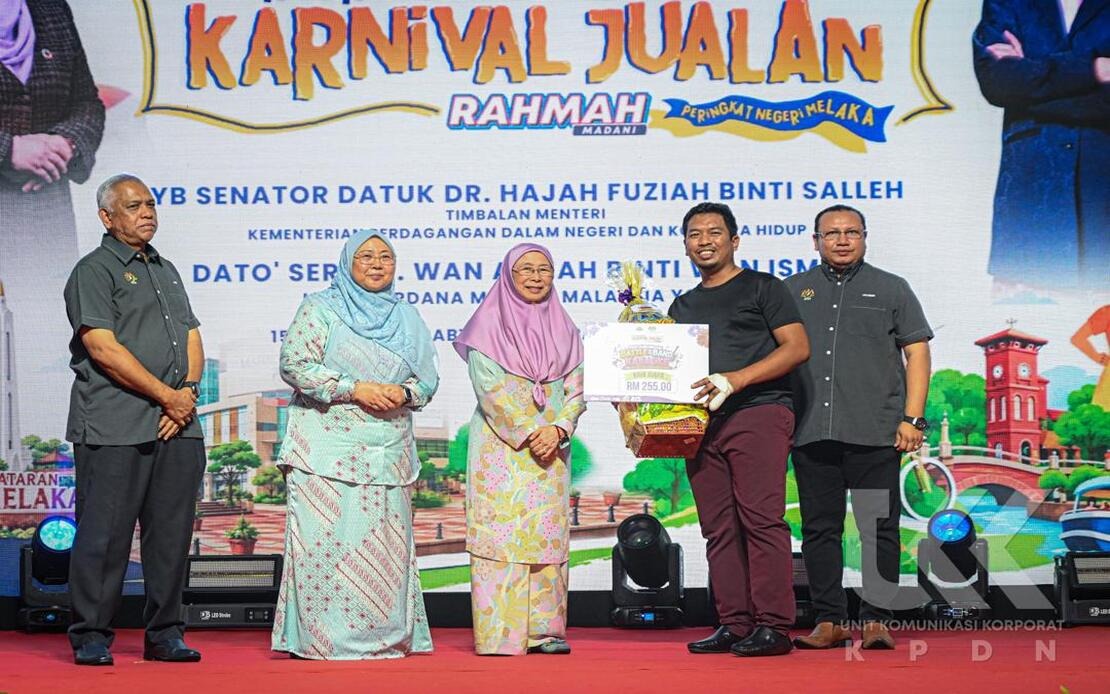
The government's Menu RAHMAH scheme is gathering momentum, with Domestic Trade and Cost of Living Deputy Minister Datuk Dr Fuziah Salleh announcing that 3,210 food and beverage premises have registered as operators across Malaysia as of July this year. The scale of participation underscores a meaningful shift in how food business proprietors view their role in addressing household budget pressures that continue to concern Malaysian families from all economic strata.
The diversity of participating establishments reflects the breadth of the initiative's reach. Food stalls and food court operators comprise the largest segment with 1,016 registrations, but the scheme has successfully drawn interest from traditional restaurants, independent hawkers operating from their own pitches, mobile food trucks, and even bazaar vendors. This cross-sectional participation suggests the programme has resonated across different operational models within Malaysia's vibrant food services sector, which employs hundreds of thousands of workers and serves millions of meals daily.
Fuziah's declaration that Menu RAHMAH represents a structural commitment rather than a fleeting subsidy programme carries particular weight in a political environment where cost-of-living remains the dominant concern for urban and rural constituencies alike. By framing the initiative as an embedded component of long-term governance priorities, the minister signals to both businesses and consumers that affordability interventions will persist regardless of electoral cycles or budget pressures. This messaging matters for operator confidence and consumer expectations in a region where temporary price controls have historically created market distortions.
The government has strategically prioritised visibility in high-traffic venues, particularly Rest and Service Areas along Malaysia's highway network where travellers seek quick meals at predictable prices. These R&R locations represent ideal deployment points because they attract diverse demographic groups and serve as benchmarks for price expectations. A family observing affordable Menu RAHMAH offerings at a highway R&R carries that pricing reference back to their local communities, creating ripple effects across consumer consciousness about what constitutes fair pricing in the food sector.
Parallel to Menu RAHMAH's expansion, the MADANI RAHMAH Sales Programme has scaled significantly beyond initial projections. As of July 2026, the initiative had been implemented 19,322 times across the nation, surpassing the government's annual target of 17,500 implementations. These deployments generated nearly 25.5 million transactions, indicating penetration into household shopping patterns across different regions and income groups. The programme's focus on essential commodities—chicken, fish, eggs, cooking oil, flour, rice, vegetables, fruits and household necessities—directly addresses consumption baskets that occupy disproportionate shares of lower-income household budgets.
The reported savings of 10 to 30 per cent compared with prevailing market prices represent meaningful relief in the context of cumulative inflation affecting Malaysian consumers. A family shopping primarily at market prices paying 30 per cent premiums experiences a tangible annual savings effect when accessing MADANI RAHMAH offerings regularly. Across 600 state constituencies and 40 Federal Territory zones, the programme's geographic spread suggests deliberate attempts to reach populations beyond metropolitan centres where commercial competition naturally drives prices lower.
Fuziah's emphasis on targeting areas with genuine need reflects policy sophistication absent from blanket subsidy approaches. Identifying and prioritising constituencies where affordability pressures bite hardest allows the government to concentrate resources where marginal utility is highest. This targeting approach also reduces displacement effects whereby subsidised prices in affluent areas merely shift consumption patterns without benefiting intended populations, a common pitfall in undifferentiated price control regimes.
The Melaka Mini Carnival organised by the Ministry of Domestic Trade and Cost of Living served as a physical manifestation of these programmes, bringing together Menu RAHMAH participants, MADANI RAHMAH vendors, and associated government initiatives under one venue. The inclusion of 27 traders offering discounted merchandise, interactive exhibitions, advisory services, and even entertainment elements including an E-Sports tournament through collaboration with Todak demonstrates attempts to frame affordability initiatives as community gatherings rather than purely transactional interventions. This approach builds political goodwill and demonstrates government presence in tangible ways that resonate with voters.
The reported attendance of nearly 3,000 visitors on the carnival's first day, with expectations of higher numbers as the event continued, suggests public receptiveness to these accessibility initiatives. Whether participation stems primarily from genuine cost-of-living concerns or reflects curiosity about government programmes, the turnout indicates the issues retain salience in public consciousness. For policymakers, such venues generate real-time feedback about implementation challenges and consumer priorities that cannot emerge from statistical reports alone.
The expansion trajectory of both Menu RAHMAH and MADANI RAHMAH demonstrates the government's determination to institutionalise affordability measures amid persistent inflationary pressures affecting regional economies. Malaysia's experience will likely influence policy approaches across Southeast Asia, where similar cost-of-living challenges confront governments across the income spectrum. The success or difficulties encountered in scaling these programmes will provide valuable lessons about whether targeted subsidies and public-private partnerships can sustainably address affordability without creating market distortions or becoming fiscally unsustainable.
For food operators, participation in these schemes presents opportunities to capture price-sensitive market segments while cultivating government relationships that might extend to future commercial benefits. The willingness of thousands of businesses to operate within prescribed Menu RAHMAH parameters suggests that affordable pricing models remain compatible with commercial viability when volume compensates for margin compression. This demonstration effect could influence sector behaviour beyond formal programme participants.

