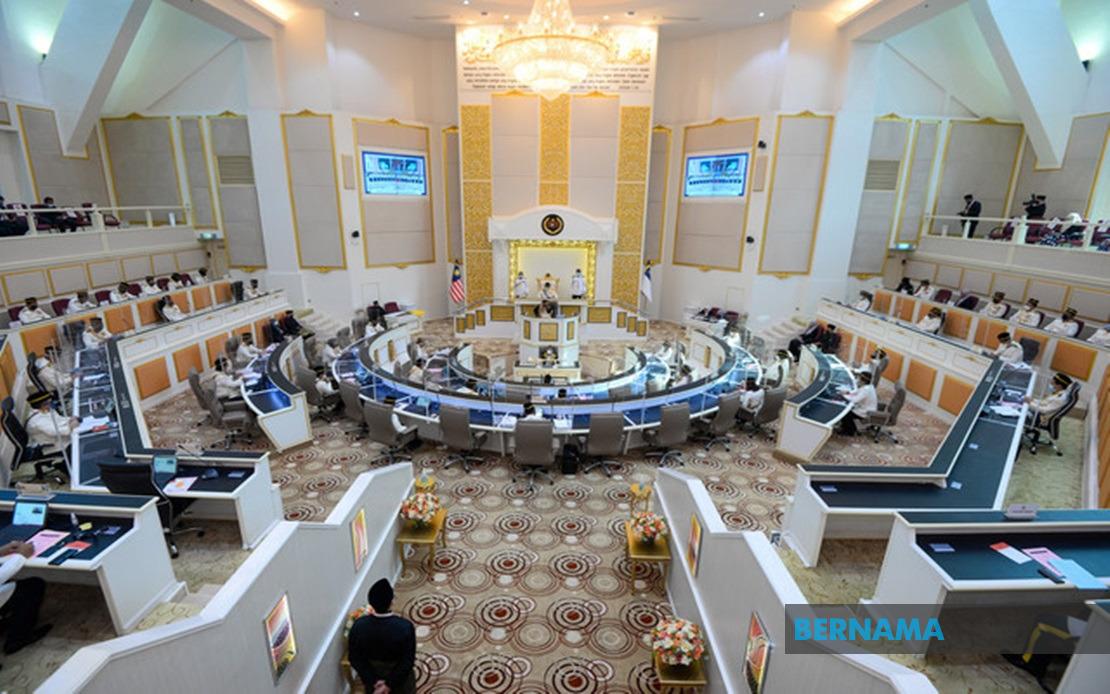
Melaka's planned expansion of healthcare infrastructure took a step closer to realisation when state officials confirmed that funding approval for a new Type 3 health clinic in Bukit Rambai will likely be decided when Parliament debates the 2027 Budget this October. The proposed facility represents a significant investment in primary healthcare delivery for residents of this growing residential area, addressing capacity constraints at the existing clinic serving the neighbourhood.
Datuk Ngwe Hee Sem, chairman of Melaka's Health, Human Resources and Unity Committee, disclosed during a state assembly session that the proposal had already navigated the bureaucratic process and been formally lodged with the Ministry of Economy as part of the Rolling Plan 2 framework under the broader 13th Malaysia Plan. This positioning suggests the project has cleared preliminary technical and feasibility assessments, with planners confident enough to seek budget allocation during the next fiscal cycle.
With groundwork already completed at the designated site directly across from the existing Bukit Rambai Health Clinic, construction timelines appear realistic. Officials anticipate the three-year build period would position the new facility for operation by the early 2030s, allowing planners to coordinate patient transition strategies and staff deployment well in advance. The location choice—utilising adjacent land—demonstrates efficient urban planning that avoids land acquisition delays while maintaining continuity in healthcare access.
The expanded clinic will fundamentally transform the scope of primary healthcare available locally. Currently limited to basic outpatient services, the new Type 3 facility will introduce diagnostic imaging capabilities including X-ray services, addressing a critical gap that forces residents to travel elsewhere for radiological investigations. Dental healthcare will receive particular emphasis with five dedicated dental chairs, reflecting growing recognition of oral health's importance within the primary care spectrum.
Beyond radiology and dentistry, the expanded clinic will integrate several allied health disciplines currently unavailable in Bukit Rambai. Nutrition and dietetics services will support management of chronic conditions prevalent in ageing populations, while optometry services eliminate referrals for routine eye care. Physiotherapy and occupational therapy bring rehabilitation closer to patients' homes, improving compliance and reducing dependency on hospital-based services for post-injury recovery and mobility support.
Mental health and psychosocial support receive dedicated attention through counselling psychology services and medical social work positions, recognising the community health landscape's increasing complexity. Speech therapy facilities will assist children with developmental challenges and patients recovering from strokes or neurological conditions. These additions reflect contemporary healthcare philosophy that positions primary clinics as genuine one-stop wellness centres rather than basic consultation points.
The upgrade directly addresses operational bottlenecks plaguing existing services. Current waiting times and overcrowding reflect population growth in Bukit Rambai's catchment area, with the new facility enabling genuine decentralisation of outpatient capacity. By redistributing patient flow across two locations, both clinics can deliver services more efficiently while reducing congestion that undermines patient satisfaction and appointment scheduling reliability.
Maternal and child health services will expand to meet anticipated demand, particularly important given demographic patterns in new residential areas attracting young families. Strengthened laboratory and pharmacy services enable more complex investigations and medication management at the primary care level, reducing unnecessary hospital referrals. School health programmes can operate from expanded facilities, allowing coordinated interventions for childhood health screening and immunisation campaigns without competing for space with adult services.
For Malaysian healthcare administrators, Bukit Rambai represents a replicable model of strategic primary care investment. Unlike the costlier hospital construction favoured in previous development cycles, this Type 3 clinic approach provides comprehensive services at lower capital expenditure while improving geographical accessibility. The framework offers lessons for other states planning health infrastructure updates, particularly in fast-growing suburban areas where traditional clinic capacity has become inadequate.
The budget timeline also carries political significance for Melaka's development agenda. Securing allocation in October's federal budget submission strengthens the state government's positioning on healthcare delivery, a consistently high-priority issue in Malaysian electoral campaigns. The visible progress—from site preparation through to budget submission—demonstrates tangible commitment to addressing healthcare inequities between urban and suburban communities.
Resident and opposition legislator Lim Ban Hong's decision to raise this matter in assembly indicates sustained community pressure for upgraded facilities, suggesting the project carries genuine grassroots support beyond bureaucratic necessity. This engagement pattern typically increases budget allocation prospects, as federal planners note parliamentary interest before finalising health infrastructure funding.
With Parliament receiving the 2027 Budget in October, the Bukit Rambai clinic decision timeline appears concrete rather than speculative. The project's progression through technical review phases suggests approval probability remains high, positioning healthcare administrators to commence detailed design and contractor tendering processes once budget authorisation materialises. For Bukit Rambai residents, the three-year construction period from approved budget represents the final intermediate stage before accessing significantly enhanced healthcare services in their immediate vicinity.

