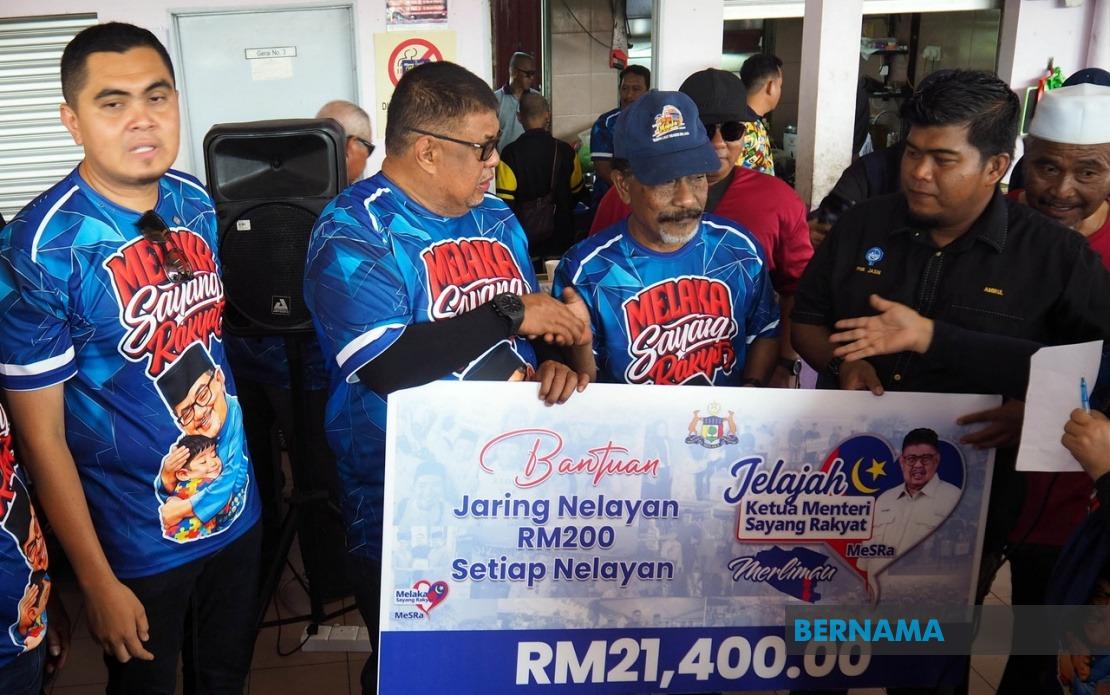
Melaka will leave unfilled all positions vacated by Pakatan Harapan following the coalition's departure from the state government, Chief Minister Datuk Seri Ab Rauf Yusoh declared this week. The decision affects multiple tiers of administration, including seats on the state executive council, local authority appointments, and village-level committees, all of which were automatically emptied when Pakatan Harapan withdrew from the Cabinet.
The rationale behind this approach centres on timing. With elections approaching and only a limited window remaining in the current term, the state administration sees little benefit in undertaking fresh recruitment processes that would yield only temporary appointments. This pragmatic stance reflects the reality that any new ministers or councillors would serve for a matter of months before the entire government transitions following the next electoral cycle. Rather than invest administrative effort and political capital in reshuffling positions, Melaka's leadership has opted to maintain continuity with reduced capacity in key areas.
Ab Rauf's public stance emphasises unity and professionalism in the aftermath of the coalition rupture. He articulated a deliberate effort to avoid inflammatory rhetoric or scoring political points, instead framing the separation as a natural consequence of differing policy priorities. The Chief Minister characterised the split as disagreement on governance approaches rather than personal animosity, suggesting that even in coalition breakdowns, maintaining institutional dignity serves long-term political interests more effectively than acrimonious blame-shifting.
The underlying trigger for Pakatan Harapan's exit centres on constitutional amendments that would introduce appointed state assembly seats, a proposal the coalition rejected outright. This represents a fundamental disagreement over democratic representation and institutional design. The coalition's leadership, including Melaka Pakatan Harapan chairman Adly Zahari, PKR's Adam Adli Abdul Halim, DAP's Khoo Poay Tiong, and Amanah's Datuk Ashraf Mukhlis Minghat, determined that remaining in government would compromise their principles regarding elected versus appointed representation.
The departure marks a significant reconfiguration of Melaka's political landscape. Having cooperated effectively under shared governance for nearly three years, the coalition's exit demonstrates how specific policy disputes can overcome established working relationships. Ab Rauf acknowledged this productive period but recognised that philosophical divergences had created an untenable situation, particularly when one party's preferred direction conflicted with another's fundamental values regarding democratic structures.
Looking forward, questions linger about potential realignment between Barisan Nasional and Perikatan Nasional in the state, following precedent established in Negeri Sembilan. However, Ab Rauf indicated no imminent developments along these lines, suggesting the focus remains on administering Melaka with existing configurations rather than pursuing fresh coalitional arrangements. This measured approach suggests that despite the coalition breakdown, the ruling administration is prioritising stability over opportunistic repositioning.
For Malaysian politics more broadly, Melaka's situation illustrates both the fragility and resilience of multi-party coalitions. The ability to separate governance arrangements without descending into public acrimony offers a stark contrast to more confrontational political transitions witnessed elsewhere in the region. This suggests that shared administrative experience builds sufficient institutional relationships to permit professional disengagements when policy differences become insurmountable.
The constitutional amendment dispute itself carries broader implications for governance in Malaysia. Debates over appointed versus elected representation continue to surface in various state contexts, reflecting tensions between centralised control and democratic participation. Pakatan Harapan's consistent opposition to appointed positions aligns with the coalition's historical platform emphasising popular mandate and accountability. Melaka's ruling coalition's pursuit of such amendments suggests differing priorities regarding executive prerogatives and party management structures.
For Melaka's administration, operating with reduced ministerial capacity for the remainder of the term presents operational challenges, though perhaps less severe than the political fallout from forced retention of ideologically opposed coalition partners. The state must redistribute responsibilities among remaining executive council members or absorb certain portfolios within current structures. This consolidation may ultimately demonstrate whether coalitions of necessity function more efficiently than coalitions of choice.
The timing of this breakdown, occurring mid-term rather than at electoral transitions, raises questions about coalition sustainability across Malaysia's political spectrum. As voters increasingly fragment support across multiple parties and coalitions become necessities rather than ideological alignments, these mid-term ruptures may become more common. Melaka's calm management of this separation could establish templates for other potential coalition breakdowns, emphasising professional separation over scorched-earth politics.

