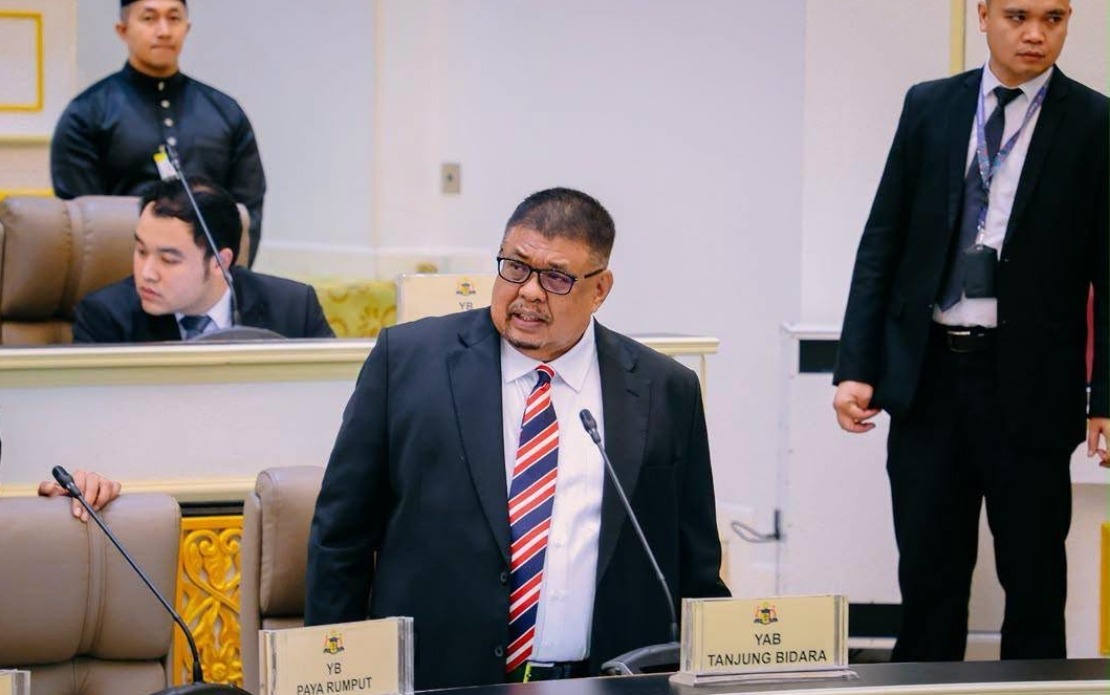
The Melaka state government will proceed without disruption following the Democratic Action Party's decision to withdraw from the administration and surrender all governmental roles, Chief Minister Datuk Seri Ab Rauf Yusoh declared on Monday. Speaking at the Seri Negeri Complex in Ayer Keroh, the Chief Minister sought to reassure stakeholders—including residents, public servants, the business sector, and potential investors—that essential services and developmental initiatives would remain unaffected by the coalition shift.
The move came after four DAP assemblymen formally resigned from the state government on Sunday. These included Allex Seah Shoo Chin from Kesidang, Low Chee Leong representing Kota Laksamana, Leng Chau Yen from Banda Hilir, and Kerk Chee Yee of Ayer Keroh. The resignations followed the State Legislative Assembly's approval of a constitutional amendment permitting the appointment of assemblymen rather than relying solely on electoral processes, a decision that prompted the DAP's withdrawal from the coalition arrangement.
Ab Rauf emphasised that the state government remained committed to systematic administration and maintaining the trust placed in it by Melaka's residents. He highlighted that despite the separation, the government would continue delivering the same standard of services and pushing forward with planned development projects. The Chief Minister's statement aimed to prevent market uncertainty and maintain investor confidence during the political transition in the state.
Regarding the vacant executive council positions created by the DAP's exit, Ab Rauf confirmed that these would not be immediately filled. Instead, existing administrative members would temporarily assume the additional responsibilities. This measured approach suggests the government intends to reorganise gradually rather than rush appointments that might invite further controversy or instability.
The Chief Minister adopted a conciliatory tone when discussing the party's departure, refusing to treat the situation as antagonistic. He noted that while the coalition partnership had ended, it need not transform into outright opposition, particularly given shared interest in Melaka's development and the wellbeing of its citizens. This posture reflects political pragmatism—maintaining workable relationships in a state assembly where multiple parties retain representation remains strategically important.
Ab Rauf expressed gratitude for the DAP's contributions during their joint governance period, signalling respect for the party's representatives who had collaborated on state matters. This acknowledgment serves both as a diplomatic gesture and recognition of concrete policy work achieved during the coalition's tenure. The tone contrasts sharply with accusations or blame often accompanying coalition breakdowns in Malaysian politics.
Concerning Prime Minister Datuk Seri Anwar Ibrahim's call for negotiations to resolve the dispute, Ab Rauf indicated that the DAP's position had become irreversible once the resignation letters were formally submitted immediately following the party's press conference. He suggested that the momentum had shifted too quickly for meaningful dialogue to prevent the separation, placing the timeline of events beyond remedial negotiation. This characterisation implies that the constitutional amendment vote had crossed a threshold that made reconciliation impossible, regardless of subsequent diplomatic efforts.
The Chief Minister reaffirmed the state government's intention to sustain harmonious relations with the federal administration, underlining that this relationship remained essential for Melaka's prosperity and resource allocation. Federal-state cooperation on infrastructure, investment, and development projects typically requires stable working relationships, making this assurance significant for long-term governance.
Malaysia's political landscape has increasingly featured coalition realignments following the end of Barisan Nasional's long dominance. Melaka has experienced particular volatility, with multiple government configurations in recent years. The DAP's withdrawal marks another chapter in this fluid environment, yet the measured response from the Chief Minister suggests efforts to stabilise administration rather than escalate partisan tensions. For Malaysian readers, this situation underscores how state-level politics can shift unexpectedly while governments attempt to maintain policy continuity. The absence of a vacuum in governance demonstrates institutional resilience, though questions remain about long-term coalition stability and whether the Melaka government can sustain its parliamentary majority without the DAP's four assemblymen.

