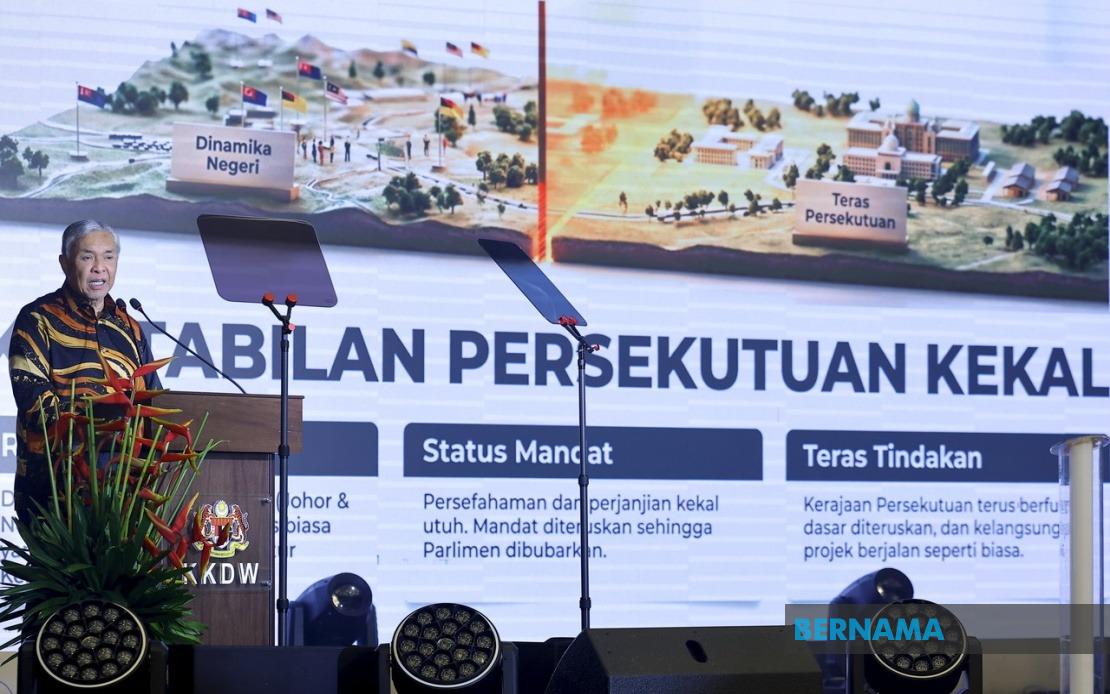
Barisan Nasional's Melaka chapter is preparing for an all-or-nothing campaign in the state's upcoming 16th election, with the coalition determined to hold every one of the 21 state assembly seats currently in its possession. The announcement came from BN chairman Datuk Seri Dr Ahmad Zahid Hamidi, who revealed that Melaka Chief Minister Datuk Seri Ab Rauf Yusoh has conveyed the party's aggressive retention strategy to the national leadership. Such a comprehensive defensive posture underscores the political significance of Melaka, a traditionally BN-friendly state that has proven pivotal in recent national political calculations.
The decision to pursue an all-seats strategy represents a substantial commitment of resources and political capital for the coalition. Chief Minister Ab Rauf Yusoh's personal endorsement of this target carries weight within the BN apparatus, signalling strong confidence in the party's ground organisation and voter support within the state. Melaka, long considered a BN stronghold, has demonstrated resilience even during periods when the coalition faced headwinds at the national level, making it a priority bastion for the coalition's broader political ambitions.
However, Ahmad Zahid's statements also reveal a more nuanced negotiation landscape beneath the surface. While publicly maintaining the goal of defending all 21 seats, the BN chairman made clear that the coalition remains willing to engage in discussions with other political entities, provided any arrangements receive formal approval from BN's central decision-making structure. This conditional openness suggests that conversations with potential allies may already be underway or anticipated, reflecting the complex calculations that often precede state-level elections in Malaysia's multi-party environment.
The chief minister's reported willingness to entertain discussions with other parties adds another dimension to BN's pre-election positioning. Such flexibility, while presented as pragmatism, could indicate recognition that certain seats might benefit from strategic accommodation rather than straight competition. This balancing act between projecting strength and maintaining strategic flexibility is characteristic of how established coalitions manage expectations while preserving negotiating room with potential partners.
For opposition parties and independent observers, BN's ambitious target in Melaka carries implications for the broader electoral landscape. If the coalition successfully defends all 21 seats, it would constitute a decisive rejection of opposition alternatives in a state election context. Conversely, any erosion of BN's current dominance would signal shifting voter sentiments and could embolden opposition challenges in other traditionally safe territories. The outcome will be closely watched as an indicator of BN's electoral health heading toward future national contests.
Melaka's political composition has historically reflected stable BN support, with the state seldom presenting significant challenges to the coalition's dominance in recent electoral cycles. This track record allows BN to approach the upcoming election from a position of relative strength, though complacency remains a perennial risk in Malaysian politics. The state's strategic location, relatively diverse economic base, and proximity to the federal capital region make it a microcosm of Malaysian political dynamics.
The role of Chief Minister Ab Rauf Yusoh in spearheading this retention drive highlights the importance of strong state-level leadership within BN's governance model. His directness in communicating the target reflects confidence in his administration's performance and popularity ratings. The chief minister's personal stake in delivering this ambitious objective will likely drive campaign intensity and resource deployment across the state's constituencies.
From a broader coalition perspective, BN's willingness to discuss arrangements with other parties reflects the evolving nature of Malaysian electoral politics. The coalition has historically accommodated partners and negotiated seat distributions, and such flexibility could extend to Melaka despite the public assertion of defending all 21 seats. Any eventual agreements would require scrutiny from party members and stakeholders to ensure they serve genuine strategic purposes rather than merely distributing patronage.
The timing of this announcement also merits consideration, as state elections in Malaysia are typically announced relatively close to polling day. BN's early articulation of its objectives suggests forward-thinking campaign preparation and an attempt to shape the narrative before opposition parties establish competing framings. Early positioning can influence early voter perceptions and potentially deter effective opposition mobilisation.
Looking ahead, the actual election results will determine whether BN's ambitious target reflects achievable objectives or optimistic overreach. Melaka voters will ultimately render judgment on the coalition's performance and deserve continued attention to governance quality and responsiveness. For Malaysian political observers, the Melaka state election will provide valuable indicators of coalition strength and electoral trends that may influence calculations for future contests at state and national levels.

