Melaka's Barisan Nasional has made its electoral intentions unmistakably clear: the coalition will contest all 21 State Legislative Assembly seats it currently holds, with no room for compromise with potential allies. This declaration from Melaka BN chairman Datuk Seri Ab Rauf Yusoh represents a hardened negotiating posture as the state prepares for polls that could arrive as early as next month. The boundary is absolute, framing it as a prerequisite for any party seeking to partner with BN in the contest for control of the state assembly.
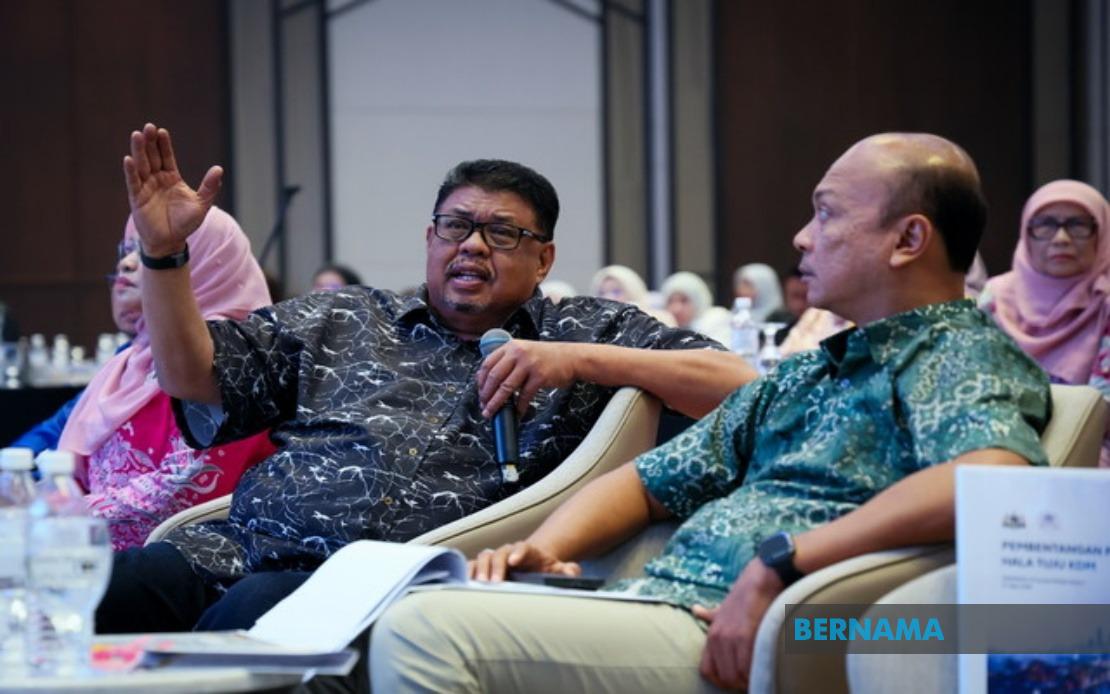
Ab Rauf, speaking in Alor Gajah during an event to align strategies on digital village initiatives, left no ambiguity about the coalition's bottom line. Discussions with potential coalition partners will occur, but only within strict parameters. The Melaka Chief Minister acknowledged that senior figures from Perikatan Nasional ally PAS had expressed interest in talks, yet such conversations can only proceed if they respect BN's territorial claims. This stance suggests a coalition feeling confident enough in its standing to dictate terms rather than negotiate from weakness, a notable shift in Malaysian coalition politics where seat-sharing has traditionally been contentious.
The Supreme Council approval requirement that Ab Rauf emphasized adds another layer of constraint to any potential negotiations. He cannot unilaterally concede seats or reallocate constituencies without blessing from the higher party hierarchy. This institutional check serves multiple purposes: it protects the leadership from accusations of capitulation, ensures decisions reflect broader party consensus, and signals to coalition partners that any agreement will carry legitimacy across party structures. For parties considering whether to approach BN with partnership proposals, this framework communicates that informal side arrangements carry no weight.
Melaka's current political composition reflects the fractious nature of Malaysian state-level politics following the 15th state election. BN's 21-seat majority provides a commanding position, though not an overwhelming one in a 28-seat assembly. Pakatan Harapan controls five seats while Perikatan Nasional holds two, creating a landscape where coalition mathematics matter considerably. BN's substantial advantage has evidently emboldened the leadership to reject compromise, calculating that defending all seats remains more strategically sound than trading some for partnership stability.
The timing of potential dissolution remains deliberately vague, with Ab Rauf suggesting the assembly could be dissolved at any moment without offering specifics. This calculated ambiguity serves BN's interests by keeping rivals uncertain and preventing coordinated opposition preparations. The Melaka government's current term expires on December 31, providing a technical deadline, yet the Chief Minister's comments suggest elections could arrive significantly earlier. Political observers have speculated about September timing, which would provide BN with strategic flexibility in campaign scheduling and opponent response capacity.
The mention of exploratory discussions with PAS representatives indicates ongoing dialogue across coalition lines despite the hardened public position. Perikatan Nasional's presence in the state assembly, though limited to two seats, remains relevant to majority calculations and government stability. Whether PAS genuinely seeks to negotiate seat reallocation or simply maintain diplomatic channels remains unclear from the available information. What emerges clearly is that BN intends any such discussions to occur under conditions of coalition strength rather than vulnerability.
For Malaysian political analysts, this posture reflects broader confidence within BN ranks about its electoral prospects in Melaka. The coalition has demonstrated resilience across numerous state and national cycles, and holding 21 of 28 seats provides substantial incumbent advantages. Local grievances and national political currents will ultimately determine outcomes, yet the leadership's refusal to negotiate seat distribution suggests internal polling or organizational assessment indicating competitive viability across contested constituencies. This confidence may prove justified or misplaced depending on voter sentiment during the actual campaign.
The institutional distinction between Melaka BN's public posture and private negotiations merits attention. Senior leaders routinely present hard boundaries publicly while maintaining flexibility in private discussions—a standard feature of Malaysian political negotiation. Ab Rauf's emphasis on Supreme Council involvement suggests that any actual seat reallocations would require higher authorization. This separation between public commitments and private room for maneuver provides negotiating flexibility while maintaining leadership credibility with party members and supporters who expect aggressive defense of electoral territory.
Regionally, Melaka's approaching election holds significance beyond the state's borders. The state has long served as a proving ground for political strategies that eventually extend nationwide. Coalition dynamics tested in Melaka often presage national-level developments, making the state's political evolution relevant to Malaysian federalism and power-sharing arrangements more broadly. The current focus on coalition composition and seat allocation in Melaka therefore carries implications for understanding how Malaysian political parties approach cooperative arrangements under different competitive circumstances.
Uncertainty about the election date itself creates operational challenges for all parties. Potential coalition members seeking to negotiate with BN must factor in the timing factor—premature agreements made with significant lead time might face deterioration by polling day, while late negotiations leave insufficient time for campaign coordination and resource deployment. This temporal uncertainty, whether deliberately orchestrated or genuinely reflective of internal deliberation, affects the calculus for any party considering approaching BN with partnership proposals. The strategic advantage accrues to the party controlling the dissolution timing.

