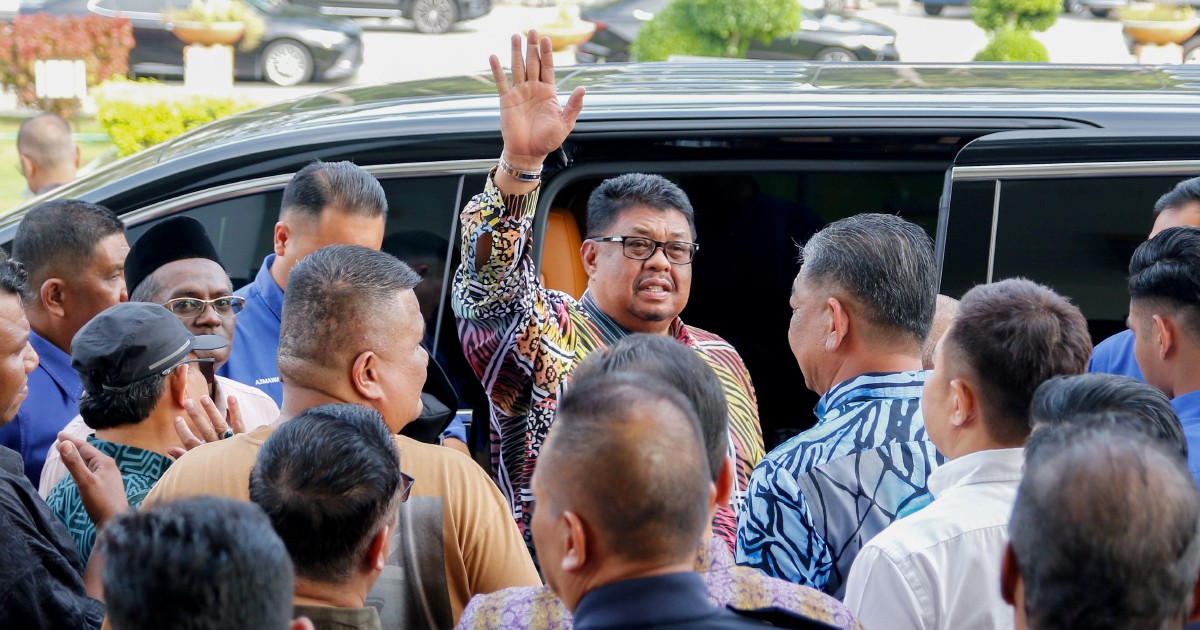
Melaka Barisan Nasional chairman Datuk Seri Ab Rauf Yusoh has portrayed his coalition as the most attractive political entity in the state, drawing keen interest from competing blocs attempting to secure partnerships as the region prepares for its next electoral contest. Speaking in Ayer Keroh, Ab Rauf deployed romantic metaphors to underscore what he views as the BN's commanding position in Melaka's political landscape, suggesting that the organisation's strength and electoral appeal have made it the target of overtures from other coalitions.
The characterisation reflects a broader reality in Malaysian politics, where regional influence often hinges on coalition-building and the capacity to absorb or align with smaller factions. Melaka, a strategically important southern state with substantial urban and rural constituencies, holds significance beyond its size due to its role in broader peninsular political calculations. The state has experienced considerable political volatility over the past decade, with control shifting between coalitions and minor parties playing outsized roles in determining government formation.
Ab Rauf's framing of the BN as a coveted political partner carries implications for how the coalition intends to project strength ahead of negotiations. By suggesting that multiple suitors are pursuing alignment with Melaka BN, he signals that the organisation enters any electoral contest or coalition talks from a position of negotiating power rather than desperation. This positioning matters significantly in Malaysian politics, where the perception of momentum and desirability influences the decision-making of fence-sitting politicians and smaller parties deciding which bloc to support.
The timing of such remarks also reflects the cyclical nature of Malaysian electoral politics. State elections in Melaka typically generate intense political activity in the months preceding polling day, as coalitions jockey for advantageous positioning and parties assess which combination of alliances will deliver the greatest electoral returns. Ab Rauf's comments suggest that the BN coalition is actively managing its public image and preparing the ground for electoral competition, whether through formal coalition arrangements or securing backing from independent candidates and smaller parties.
Historically, Melaka has demonstrated significant political fluidity. The state's experience with minority governments, coalition realignments, and even the intervention of state sultans in political processes underscores the complexity of governance in the peninsula's smallest state by area. Understanding this context illuminates why BN leadership would emphasise the coalition's attractiveness to potential partners—in a state where political advantage can shift rapidly, projecting confidence and desirability has genuine strategic value.
The reference to being courted by multiple coalitions also acknowledges the fragmented nature of contemporary Malaysian politics. With Pakatan Harapan, Perikatan Nasional, and other blocs competing for dominance, few coalitions can guarantee unassailable majorities in every state. This reality means that independent candidates, smaller Bumiputera-centric parties, and even defectors from larger organisations frequently become pivotal. Ab Rauf's metaphor tacitly recognises that BN's ability to attract such figures and factions remains central to its viability as a governing coalition in Melaka.
For Malaysian and Southeast Asian observers, the dynamic in Melaka encapsulates broader trends in regional political competition. Coalition volatility in Malaysia has intensified since 2018, fundamentally altering how established parties operate and interact. The BN's shift from assured dominance to competitive footing has required the coalition to become more attentive to electoral strategy and coalition management. In states like Melaka, where no single bloc commands unchallenged loyalty, such political nimbleness becomes essential.
The implications extend beyond Melaka itself. Federal politics in Malaysia remain deeply influenced by state-level outcomes, with regional coalitions serving as building blocks for national power. A strong showing by BN in Melaka would reinforce the coalition's narrative of recovery and renewed voter confidence, particularly important given the coalition's mixed performance in recent elections. Conversely, setbacks in Melaka would complicate BN's positioning in subsequent federal-level contests and potentially embolden rival coalitions.
Ab Rauf's language also reveals how political discourse in Malaysia frequently employs metaphorical and cultural references to convey strategic intent. The invocation of a 'beautiful maiden' sought by multiple suitors draws on traditional imagery that resonates in Malaysian political culture. Such framing allows politicians to communicate competitive advantage and desirability without making explicit territorial claims that might provoke accusations of arrogance or overreach. It is a rhetorical strategy well-calibrated to Malaysian audiences and political norms.
Looking forward, how Melaka's electoral landscape develops will substantially depend on whether BN can translate its perceived attractiveness into concrete electoral success. The coalition must convert the interest of potential partners into formal commitments and ensure that any alliances formed deliver tangible benefits to participating parties and candidates. Political attractiveness in Malaysia's current environment is a valuable but ultimately temporary commodity—sustained performance and delivery of results remain the ultimate determinants of lasting coalition strength and electoral viability in states like Melaka.

