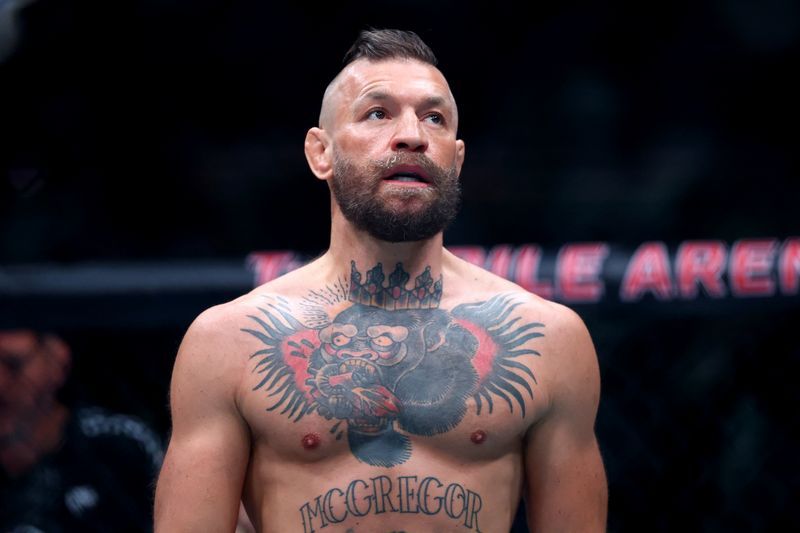
Conor McGregor's highly anticipated return to professional mixed martial arts competition came to an abrupt and disappointing end on Saturday evening when a severe knee injury forced the Irish fighter out of his bout against Max Holloway at UFC 329 in Las Vegas. The encounter lasted merely 73 seconds, representing one of the briefest returns for a fighter of McGregor's stature and drawing considerable attention from the global MMA community.
The circumstances surrounding the injury were immediately apparent to observers at the T-Mobile Arena. McGregor, attempting to set the tone early with an aggressive flying kick at the start of the opening round, landed awkwardly and suffered what appeared to be a catastrophic blow to his knee. The visible distress on the fighter's face indicated the severity of the moment, and after persisting for several more seconds, he gestured to the referee that he could no longer continue. The medical reality of the situation became impossible to ignore, and McGregor was forced to withdraw from competition.
The injury represents another setback in a career that has been interrupted repeatedly by physical and personal complications in recent years. The 37-year-old had been sidelined since July 2021, when he sustained a serious leg fracture during his encounter with Dustin Poirier. That nearly four-year absence had already raised questions about McGregor's ability to return to elite competition. Scheduled to face Michael Chandler in June 2024, those plans evaporated when McGregor injured his toe during training sessions, forcing yet another postponement of his comeback attempt.
Beyond the physical challenges, McGregor has navigated substantial obstacles away from the sport that have complicated his career trajectory. A 2018 incident resulted in a civil court finding against him in Ireland in 2024, adding to the controversies surrounding the fighter. Additionally, McGregor faced regulatory sanctions from anti-doping authorities, accepting an 18-month suspension in October 2025 following "whereabouts failures" related to missed sample collection attempts in 2024. Although that ban was backdated and technically expired in March, the accumulated disruptions underscore the difficulty McGregor has experienced in maintaining momentum and focus.
Max Holloway, the former featherweight champion facing McGregor on Saturday, responded to the injury outcome with measured professionalism. Rather than claiming victory under circumstances he clearly did not desire, Holloway expressed interest in rescheduling a proper encounter between the two fighters once McGregor recovers. Holloway's comments reflected the sport's broader sentiment that the anticipated matchup had generated substantial anticipation and commercial interest that remained unfulfilled. The two fighters have previous history, with McGregor securing a unanimous decision victory over Holloway in 2013, making a potential rematch narratively compelling for audiences.
The incident raises critical questions about McGregor's ability to maintain the physical conditioning necessary for elite-level competition after such an extended absence. The manner of the injury, occurring so early in the contest, suggests that the preparation period may not have adequately addressed the durability challenges that come with extended time away from active fighting. Recovery from major knee injuries in combat sports typically requires comprehensive rehabilitation protocols, and the failure point came remarkably quickly into the bout.
For the broader MMA landscape and UFC specifically, McGregor's abbreviated return underscores the unpredictability that defines professional combat sports. Despite McGregor's legendary status and the promotional machinery surrounding his comeback, the sport's inherent physical demands delivered a humbling conclusion. The incident also raises questions for UFC about future matchmaking involving McGregor, particularly regarding the appropriate timeline for his return and whether adequate conditioning and injury prevention measures were implemented.
In the evening's co-main event, British lightweight Paddy Pimblett delivered a contrasting performance that delivered the decisive action fans anticipated. Pimblett required even less time than McGregor to secure victory, subduing French opponent Benoit Saint-Denis through submission in under a minute. The dramatic finish provided some compensatory excitement for an audience that had invested considerable anticipation in the card.
The McGregor injury carries implications extending beyond individual fighter circumstances. It illustrates the premium placed on consistent competition and active training schedules in modern combat sports. The extended layoff combined with time away from actual competitive engagement appears to have created physical vulnerability that manifested immediately under competitive pressure. For other fighters managing comebacks after significant absences, the incident provides cautionary evidence about the challenges involved in returning to elite competition after years away from the sport.
Moving forward, McGregor faces a lengthy rehabilitation process before any further UFC appearances can be considered. The knee injury will require surgical intervention and extended recovery, potentially delaying any realistic return to competition by many months. For the UFC and its audience, the circumstances underscore both the appeal of McGregor as a marquee attraction and the genuine risks involved when elite fighters attempt comebacks following substantial time away from professional competition and active training regimens.

