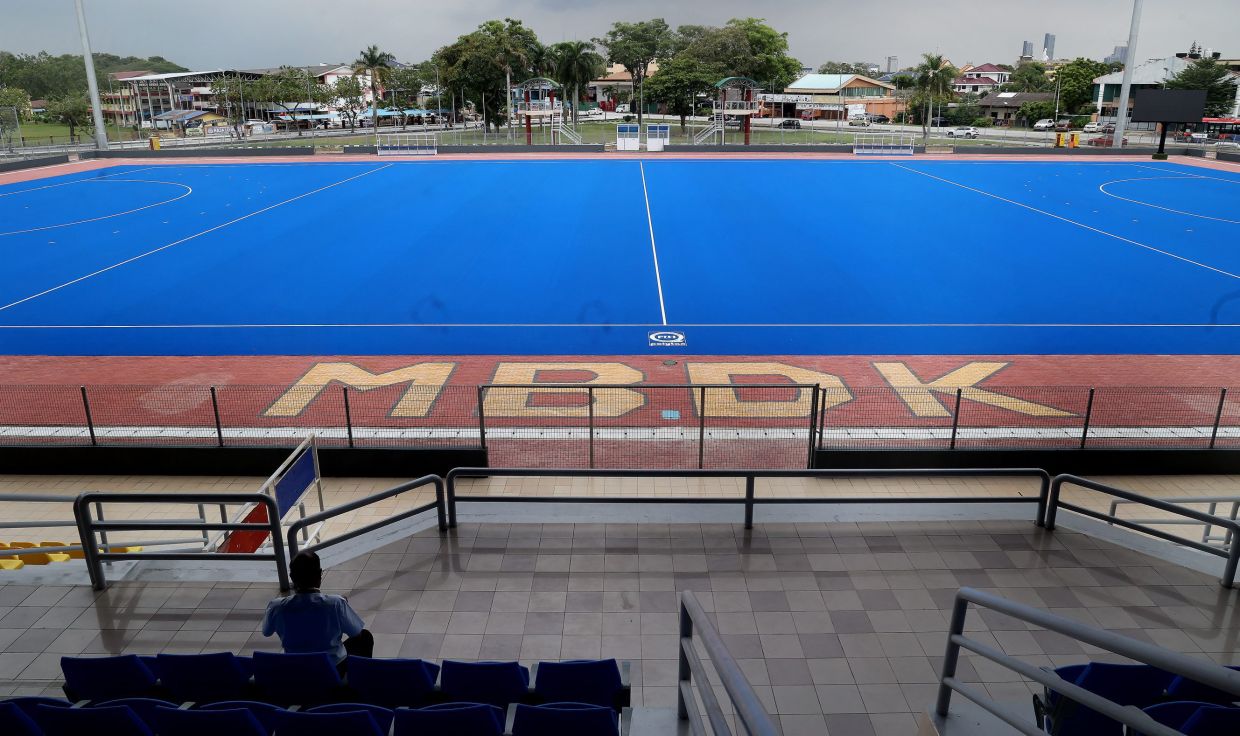
The Klang Royal City Council (MBDK) is moving to entrench professional management at the newly refurbished Pandamaran Hockey Stadium by partnering with Selangor Hockey Association (SHA), signalling a strategic shift towards long-term operational excellence rather than ad-hoc administration. The decision reflects broader recognition that premier sports facilities require specialised expertise to sustain international competitiveness and serve as genuine engines of community development.
Klang Mayor Datuk Abd Hamid Hussain framed the stadium as far more than a playing field, characterising it as a critical public asset that demands rigorous stewardship. His emphasis on professionalism, efficiency, and sustainability suggests municipal authorities are confronting hard lessons about under-resourced sports infrastructure across Malaysia. The engagement of SHA acknowledges that associations with deep knowledge of the sport, its global standards, and stakeholder networks possess comparative advantages that general municipal departments cannot replicate.
The Pandamaran facility, situated along the junction of Jalan Sukma and Jalan Raja Lumu in Port Klang, underwent a comprehensive rehabilitation costing an estimated RM9 million. This investment substantially exceeds typical maintenance budgets, indicating MBDK's commitment to raising facility standards to international benchmarks rather than merely preserving existing infrastructure. The timing is deliberate: the council will host a soft launch event today at 5pm, immediately followed by a test match to prepare for Sukma 2026.
Selangor will assume host duties for the 22nd Sukma Games from August 15 to 24, 2026, with the Para Sukma component following shortly thereafter from September 5 to 10. These back-to-back events represent a concentrated period of national sporting attention and media scrutiny. The Pandamaran Stadium, having undergone major renovation, stands positioned as a marquee venue, making operational readiness and world-class presentation non-negotiable.
Abd Hamid reframed the RM9 million expenditure as investment rather than cost, a semantic distinction that carries implications for how Malaysian municipal governance evaluates infrastructure spending. He articulated a theory of return encompassing sports development within the local community, broader population wellbeing, and tangible economic stimulus. This logic extends beyond typical cost-benefit analyses of sports facilities, which often struggle to quantify social benefits. By positioning the stadium within an ecosystem of community benefit and economic dynamism, the council signals that sports infrastructure serves multiple constituencies simultaneously.
Operational structures are being systematically upgraded to support this vision. MBDK intends to establish a dedicated stadium management team responsible for day-to-day operations, preventative maintenance protocols, security arrangements, promotional activities, and booking administration. This decentralisation of responsibility away from general municipal functions reflects recognition that sports venues function optimally when managed by units with singular focus rather than diluted attention within broader council operations. The shift implies staffing additions and budget allocations specifically earmarked for venue management.
The physical infrastructure itself represents substantial technical investment. The synthetic playing surface, underground drainage systems, floodlighting apparatus, electronic scoreboard installations, player changing facilities, and ancillary amenities have all been either replaced or comprehensively refurbished. This comprehensive modernisation ensures the facility operates not merely as functional but as contemporary, capable of delivering the viewing experience and athlete accommodations expected at international tournaments.
A cornerstone achievement lies in certification by the International Hockey Federation (FIH), a designation valid through July 2, 2029. This credential serves multiple functions: it validates technical compliance with global standards, enables the stadium to host international competition and live global broadcasting, and provides definitive proof of facility quality that enhances marketing efforts. For Malaysian sports administrators, FIH certification represents objective validation that domestic investment has achieved genuine international standing rather than merely local prestige.
The international recognition carries strategic regional implications. Abd Hamid explicitly positioned Klang as an emerging hub within the landscape of Asian hockey venues, a designation that implies competitive positioning against other regional sports destinations. Malaysia's previous struggles to establish signature sports facilities with consistent international programming have left the nation less prominent in regional sports tourism rankings. A certified FIH venue operated professionally and continuously programmed creates infrastructure from which to build sustained sports tourism initiatives.
Economic ramifications extend through multiple channels. International hockey tournaments attract visiting athletes, coaching delegations, media personnel, and spectators who require accommodation, dining, and transportation services. Local businesses benefit from increased commerce during tournament periods. The facility itself generates revenue through rental agreements for matches, training sessions, and non-sports events. Professional management maximises these revenue streams while maintaining facility conditions that justify premium pricing.
Beyond immediate economic considerations, positioning Klang within global sports infrastructure networks carries longer-term consequences. International sports governing bodies maintain mental maps of venues meeting their standards and capable of hosting their events. FIH certification places Pandamaran within the federation's database of approved facilities. Future expansion of international hockey programming in Malaysia becomes feasible once foundational venues with proven operational capacity exist. This represents infrastructure-level competitive positioning that unfolds across years rather than seasons.
The partnership model between MBDK and SHA merits examination as a governance approach increasingly adopted across Malaysian municipalities. Rather than attempting comprehensive capacity-building within council structures, outsourcing specialised functions to associations combines council financing authority with association operational expertise. This hybrid model distributes risk and leverages distributed competency. However, it also requires clear contractual arrangements delineating responsibilities, performance metrics, and accountability mechanisms—details the announcement does not elaborate.
As Selangor prepares to showcase national athletics through Sukma 2026, the Pandamaran Stadium represents one physical manifestation of that preparation. The facility epitomises the infrastructure modernisation that major sporting events demand and catalyse. Whether this investment generates sustainable long-term value or reverts to under-utilisation after the games conclude will depend substantially on programming decisions made by SHA and MBDK during the post-2026 period. The current emphasis on professional management suggests institutional commitment to sustained relevance rather than ceremonial infrastructure.

