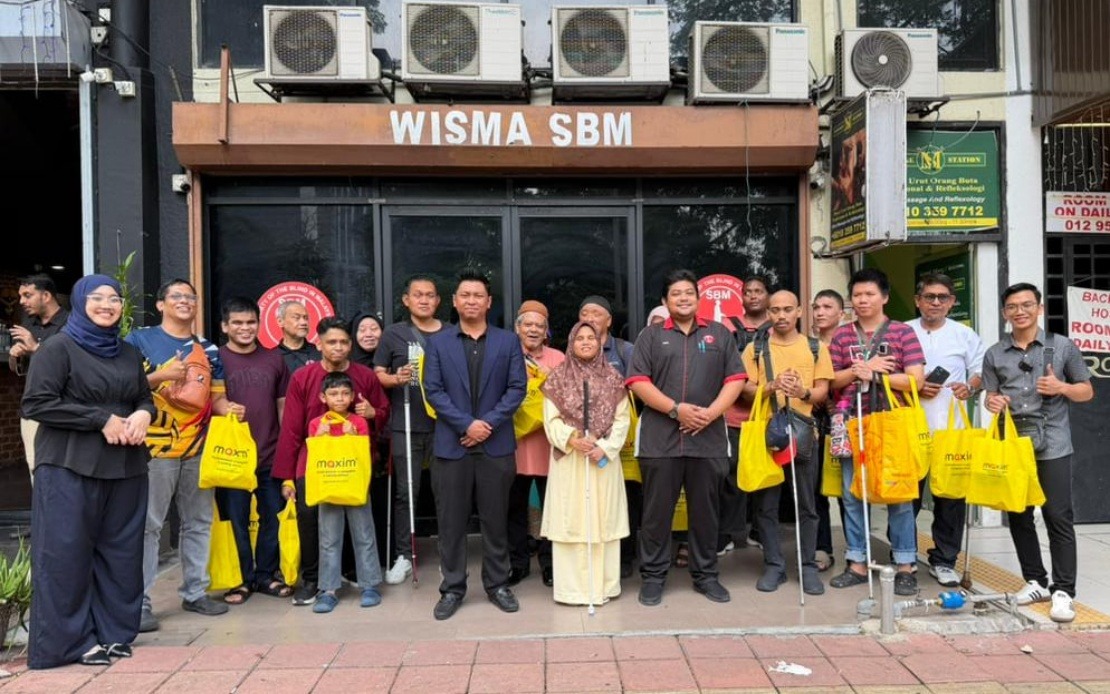
Ride-hailing platform Maxim is strengthening its commitment to bridge mobility gaps for marginalised communities across Malaysia, deploying a multi-pronged strategy combining affordable pricing, technological innovation, and strategic alliances with healthcare providers, educational institutions, and non-governmental organisations. The initiative reflects a broader recognition within the transport sector that accessibility is not merely a corporate social responsibility checkbox, but a fundamental requirement for enabling equal participation in economic and social life. Syed Abdul Syarif Syed Peiaru, Maxim's Kuala Lumpur head, underscored this philosophy by positioning mobility as the foundation upon which individuals construct independent lives and access opportunity.
The company's framing of transportation transcends the conventional understanding of point-to-point movement. Rather, Maxim articulates a vision where accessible rides function as enablers for education, employment, healthcare engagement, and social participation, particularly for populations historically underserved by mainstream mobility infrastructure. This perspective gains particular relevance in Malaysia's context, where geographic dispersion, varying levels of infrastructure development across states, and economic stratification create compounded challenges for vulnerable groups seeking reliable transit options. By positioning affordable transportation as a prerequisite for independence rather than a luxury service, Maxim identifies a market opportunity aligned with broader social inclusion objectives.
The platform's accessibility roadmap encompasses three interrelated pillars. First, on the pricing front, Maxim maintains deliberately moderate fares while expanding service coverage into rural and underserved regions where conventional e-hailing operators often avoid operating due to lower demand density and operational costs. Second, technological infrastructure has been redesigned to accommodate users with varying physical and sensory capabilities, moving beyond merely offering a functional booking interface toward genuine usability for persons with disabilities. Third, institutional partnerships extend the platform's reach beyond what transactional relationships alone could achieve, embedding Maxim services within ecosystems already serving vulnerable populations.
The Mesra OKU service exemplifies this integrated approach. Beyond standard ride-hailing functionality, the service layer incorporates extended waiting periods that accommodate slower boarding processes, driver training protocols emphasising sensitivity and practical assistance, technical support for mobility aids during transit, and voice-recognition booking systems for users with visual impairments. The feature set acknowledges that accessibility requires anticipating specific needs and designing safeguards accordingly. Users communicate their requirements through the application, enabling drivers to prepare appropriate support before arrival. This preventative architecture reduces friction and dignifies the passenger experience by normalising assistance as a core service attribute rather than an exceptional accommodation.
Technological enhancement extends beyond the Mesra OKU initiative. Maxim's partnership with the Society of the Blind in Malaysia demonstrates targeted collaboration to maximise utility for visually impaired users. The implementation of TalkBack voice features—integrated accessibility tools that narrate application interfaces—reflects recognition that assistive technology ecosystems extend beyond individual apps toward ecosystem-wide integration. Awareness campaigns accompanying these features serve a dual function: educating blind and low-vision users about available digital mobility solutions while signalling to the broader disability community that Maxim treats accessibility as a baseline rather than an afterthought.
The strategic partnership dimension reveals how Maxim is embedding itself within broader social infrastructure. Collaborations with hospitals create dedicated transport pathways for medical appointments, addressing a critical barrier for elderly citizens and persons with chronic conditions for whom reliable transportation directly impacts health outcomes. Educational institution partnerships facilitate student mobility, particularly benefiting those from low-income backgrounds for whom transport costs represent a disproportionate expense. NGO engagement strengthens community knowledge, with partner organisations providing on-the-ground insights into specific barriers faced by constituencies Maxim serves. Government agency collaboration signals institutional legitimacy and creates pathways for potential policy alignment.
The extension into para-athletics and adaptive sports communities reveals how Maxim conceptualises accessibility beyond essential services. Supporting Sarawak para swimmers through transportation to training facilities and competitions demonstrates recognition that full social inclusion encompasses cultural participation and competitive pursuits. This positioning differentiates Maxim's approach from narrower interpretations of disability accommodation as limited to clinical or employment-related mobility.
Special pricing initiatives tailored for persons with disabilities and individuals with special needs represent explicit cross-subsidisation embedded into Maxim's commercial model. This pricing architecture acknowledges that market-based allocation mechanisms often exclude low-income populations from services they require, necessitating deliberate intervention. By institutionalising discounted fares rather than treating reduced pricing as ad-hoc promotions, Maxim signals that affordability for vulnerable groups constitutes a permanent strategic commitment rather than temporary corporate benevolence.
The implications for Malaysia's evolving mobility ecosystem merit examination. As urbanisation accelerates and digital services proliferate, accessibility gaps risk widening if companies default to optimising for affluent urban users. Maxim's investment suggests emerging recognition that inclusive design generates competitive advantage by capturing underserved market segments, reducing corporate social risk, and building brand loyalty among communities experiencing systematic exclusion. For government policymakers, the model indicates potential pathways for public-private collaboration in extending essential services to populations that strict market mechanisms inadequately serve.
The sustainability of Maxim's inclusive mobility agenda depends on several factors. First, maintaining affordable fares while expanding into lower-density areas requires operational efficiency and potentially continued willingness to absorb costs that market pricing alone cannot justify. Second, technology investments in accessibility features must continue evolving as user needs become clearer and assistive technologies advance. Third, institutional partnerships require ongoing relationship maintenance and alignment of incentives across organisations with differing primary objectives. Finally, consumer awareness campaigns must successfully educate target populations about available services, bridging information gaps that can otherwise render technical accessibility irrelevant.
From a Southeast Asian perspective, Maxim's approach offers a replicable model for regional ride-hailing operators contemplating accessibility expansion. Across the region, similar demographic pressures—ageing populations, youth bulges in lower-income communities, and geographic development imbalances—create comparable accessibility imperatives. The integration of technology, pricing flexibility, and institutional partnerships provides a framework adaptable to country-specific contexts and regulatory environments.
For Malaysian consumers with disabilities, elderly family members, or constrained economic circumstances, Maxim's initiatives represent tangible expansion of autonomous mobility options previously unavailable or unaffordable. The cumulative effect—enabling medical appointments, educational attendance, employment access, and social engagement—compounds into meaningful improvement in quality of life and economic participation. As implementation proceeds, monitoring service quality, user satisfaction, and actual impact on accessibility outcomes will determine whether Maxim's stated commitment to inclusive mobility translates into sustained practical benefits for the communities it claims to serve.

