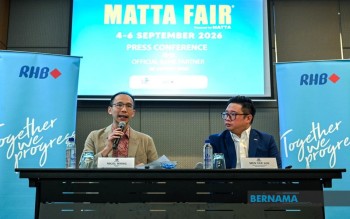
Malaysia's tourism sector is positioning itself for a significant push in the coming years, with the Malaysian Association of Tour and Travel Agents calling on the government to significantly strengthen financial support mechanisms in the upcoming Budget 2027. MATTA president Nigel Wong has outlined a comprehensive set of demands that the industry body believes will be critical to maximising the potential of the Visit Malaysia 2026-2027 campaign, placing particular emphasis on tax policy reforms that would benefit tour operators competing in an increasingly global marketplace.
The tax incentive reforms sought by MATTA centre on enhanced deductions for tour operators, a measure Wong argues would directly stimulate promotional activity in overseas markets. By reducing the tax burden on companies that invest in international marketing initiatives, the association contends that operators would have greater financial flexibility to expand their reach and attract higher volumes of international arrivals to Malaysia. This approach reflects a broader industry view that taxation policy can serve as a direct lever for tourism growth, particularly when aligned with national promotional campaigns such as Visit Malaysia 2026-2027.
Infrastructure enhancement represents the second pillar of MATTA's Budget 2027 submission. Wong pointed to the renovation of the Sultan Abdul Samad Building as a concrete example of how strategic government investment in heritage properties can transform public perception and strengthen a destination's appeal to international visitors. The iconic status that the building has achieved following its restoration demonstrates that infrastructure spending in the tourism sector yields tangible returns in terms of brand enhancement and visitor experience quality. MATTA is advocating for an expansion of similar initiatives across Malaysia's portfolio of historical and natural heritage sites.
The association's emphasis on upgrading existing attractions rather than solely developing new facilities reflects a pragmatic assessment of Malaysia's tourism assets. The country possesses substantial historical and architectural heritage that, according to Wong, requires systematic refurbishment to compete effectively on the international stage. This position acknowledges that visitor satisfaction increasingly depends not merely on the novelty of destinations but on the quality, safety, and aesthetic appeal of established landmarks and cultural sites. For Southeast Asia as a whole, this approach aligns with broader trends toward sustainable tourism development that prioritises preservation and enhancement over rapid expansion.
Beyond taxation and infrastructure, MATTA has articulated a vision for comprehensive urban governance improvements that extend the responsibility for tourism competitiveness beyond traditional tourism agencies. The association advocates for municipal councils to assume greater ownership of tourism-related outcomes, particularly regarding public safety, urban cleanliness, and walkability in city centres. This whole-of-government approach recognises that international visitors form impressions of Malaysia based on their interactions with urban environments and local services, not solely on marketed attractions. A visitor's experience in Kuala Lumpur, for instance, encompasses encounters with transport systems, street maintenance, security, and hospitality across the entire urban ecosystem.
The call for enhanced promotional budgets complements MATTA's other demands and signals the industry's belief that Visit Malaysia 2026-2027 requires substantially elevated marketing expenditure to achieve meaningful impact. Tourism markets are increasingly competitive, with destinations across Southeast Asia and globally vying for visitor attention through sophisticated digital and conventional marketing campaigns. Malaysia's ability to stand out amid this competition depends partly on the scale and sophistication of promotional investments undertaken by both government and private operators. Wong's position suggests that current allocation levels are viewed as insufficient for the campaign's ambitions.
The timing of MATTA's submission carries significance, as the Finance Minister is scheduled to table the Budget 2027 Supply Bill on October 9, providing a defined window for industry advocacy. This timeframe allows MATTA and other tourism stakeholders to engage with policymakers during the budget formulation process. The Malaysian government's receptiveness to tourism sector input will become apparent once the budget documents are released, offering clarity on the administration's commitment to the Visit Malaysia 2026-2027 initiative and broader tourism development priorities.
For Malaysia's tourism operators, the outcome of Budget 2027 discussions will have cascading effects on business planning and investment decisions. Tax incentive improvements would enhance profit margins for companies focused on international promotion, while infrastructure funding would influence the competitive positioning of Malaysia's heritage and cultural attractions. The sector's collective advocacy through MATTA represents an attempt to align government fiscal policy with industry requirements, ensuring that public resources complement private sector efforts to grow visitor arrivals and tourism revenue.
Regionally, Malaysia's tourism ambitions intersect with broader Southeast Asian competition for international visitor spending. Thailand, Indonesia, Vietnam, and other neighbours maintain active tourism promotion strategies, making Malaysia's positioning in the Visit Malaysia 2026-2027 campaign consequential for market share dynamics. Enhanced government support for Malaysian operators and attractions could influence the competitive balance within the region, particularly as post-pandemic tourism demand remains volatile and visitor choices remain sensitive to perceived value, safety, and destination quality.
The broader context reveals an industry stakeholder community actively engaging with the budget process to secure resources essential for competitive tourism operations. MATTA's multifaceted approach—spanning taxation, infrastructure, urban governance, and promotional budgets—reflects sophisticated understanding of the interconnected factors that influence tourism outcomes. Whether the government incorporates these recommendations will indicate its strategic prioritisation of tourism as an economic driver and its willingness to deploy fiscal instruments in support of sectoral growth objectives.

