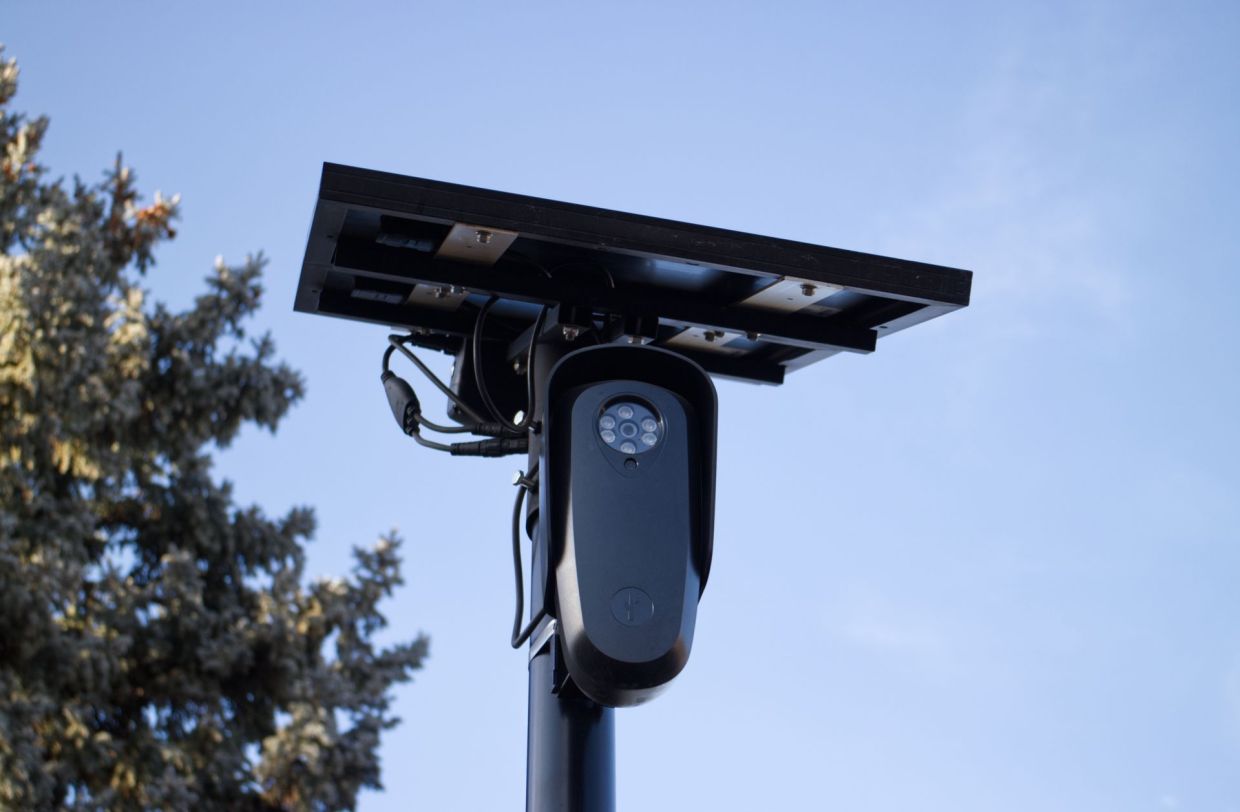
Frustration over invasive vehicle surveillance technology has ignited an unusual coalition of American activists, prompting some to destroy cameras and spurring dozens of cities to abandon the controversial systems. The uprising represents a rare moment of bipartisan consensus in a deeply fractured political landscape, uniting libertarians, civil rights advocates, and conservative figures in opposition to what they characterise as an Orwellian threat to American civil liberties.
Flock Safety, the company behind the most widely deployed automatic license plate reading network, has become the focal point of this technological rebellion. Unlike conventional security cameras that merely record video, Flock devices capture photographs of every passing vehicle, extracting metadata including license plate numbers, vehicle colour, make and model, and visible features such as bumper stickers. This seemingly mundane information becomes potent when aggregated across thousands of cameras and retained in cloud databases for up to thirty days, accessible to law enforcement and other authorised subscribers often across state boundaries.
The movement has evolved from online activism into direct action. A Minneapolis-area activist operating under the pseudonym Nomark has become emblematic of this shift, documenting on social media how to disable Flock cameras and providing instructional content to his 500,000 Instagram followers. Nomark reports that he has personally incapacitated approximately thirty devices near his residence and initially experienced significant anxiety about the illegal activity. However, he describes becoming increasingly emboldened as similar incidents multiply across the country. This escalation illustrates how privacy concerns are translating into tangible resistance, though critics rightfully note that camera destruction constitutes criminal behaviour.
The online infrastructure supporting this movement has grown remarkably. The Facebook group DeFlock America has amassed over 600,000 members and continues recruiting thousands daily. Activists maintain crowdsourced mapping tools that identify camera locations, exchange technical methods for rendering devices inoperable, and celebrate arrests of individuals who destroy the equipment. Rather than remaining confined to extremist circles, the anti-Flock campaign has achieved mainstream legitimacy, with prominent figures including former Fox News host Tucker Carlson endorsing vandals as "decent, patriotic Americans" exercising civil resistance.
Law enforcement agencies defend the technology's utility in criminal investigations. Jon Bridges, a senior police official in Richmond, Virginia, explains that his department queries Flock's database for virtually any incident involving vehicles. He cites a successful application from May when detectives investigating a domestic-related double homicide rapidly identified a fleeing suspect through license plate data captured on multiple cameras. This case exemplifies how the system can accelerate investigations, locate dangerous individuals, and potentially prevent further violence. Richmond's police department has employed Flock since 2023 and regards it as an essential investigative tool.
However, documented abuse of the system has fuelled legitimate alarm among privacy advocates. A Washington Post investigation revealed that at least fifty police officers have been accused of misusing Flock access to conduct unauthorised surveillance of romantic partners and former spouses. Other reported abuses include officers tracking individuals seeking abortions in jurisdictions where the procedure remains prohibited, and illegal transmission of vehicle tracking data to immigration enforcement agencies. These cases suggest that powerful surveillance capabilities can readily be weaponised against innocent citizens once institutional safeguards fail.
This tension between law enforcement effectiveness and personal privacy has created an unusual political alignment. Chad Marlow, senior policy counsel for the American Civil Liberties Union, describes the emerging opposition movement as "stunning" in its growth and breadth. The coalition encompasses civil libertarians who fear government overreach, conservatives sceptical of surveillance infrastructure, and progressive advocates concerned about discriminatory targeting. Such convergence across traditional ideological boundaries indicates that concerns about mass surveillance transcend conventional partisan divisions.
Flock CEO Garrett Langley has responded aggressively to critics, characterising vandals and opponents as "terrorists." This inflammatory language has paradoxically amplified public support for the movement by framing resistance as justified pushback against corporate and governmental overreach. The company's combative posture contrasts sharply with calls for constructive dialogue from academics and civil rights organisations.
Pragmatic alternatives to confrontation have begun proving effective. Professor Steven Keener of Christopher Newport University advocates for residents to engage city council members and mayors, encouraging municipal leaders to terminate contracts with Flock rather than accept the surveillance framework. This institutional approach has achieved remarkable success. According to the ACLU, more than seventy municipalities spanning from Los Angeles to smaller Virginia communities have ended their relationships with Flock within recent months. This withdrawal represents a significant commercial and political defeat for the surveillance company, demonstrating that sustained grassroots pressure can induce institutional change.
For Southeast Asian observers, these American developments carry instructive implications. Malaysia and regional neighbours increasingly deploy surveillance infrastructure driven by similar rationales of public safety and crime prevention. The American experience illuminates how surveillance systems, once established, develop self-perpetuating bureaucratic interests and prove vulnerable to abuse. The successful mobilisation against Flock demonstrates that public resistance can constrain technology deployment even in societies with established law enforcement establishments. Regional policymakers confronting comparable surveillance proposals may recognise that adequate privacy protections and strict oversight mechanisms require front-loaded consideration rather than remedial action after systems become entrenched.
The broader significance of this movement extends beyond individual municipal decisions. It represents a population increasingly questioning the implicit trade-off between security and privacy that governments and technology companies have long promoted. Citizens across the political spectrum appear to have reached a threshold where surveillance density itself becomes unacceptable regardless of its stated purpose. This suggests that future surveillance technologies will face heightened scrutiny and public skepticism, potentially constraining how extensively such systems can proliferate through democratic societies.

