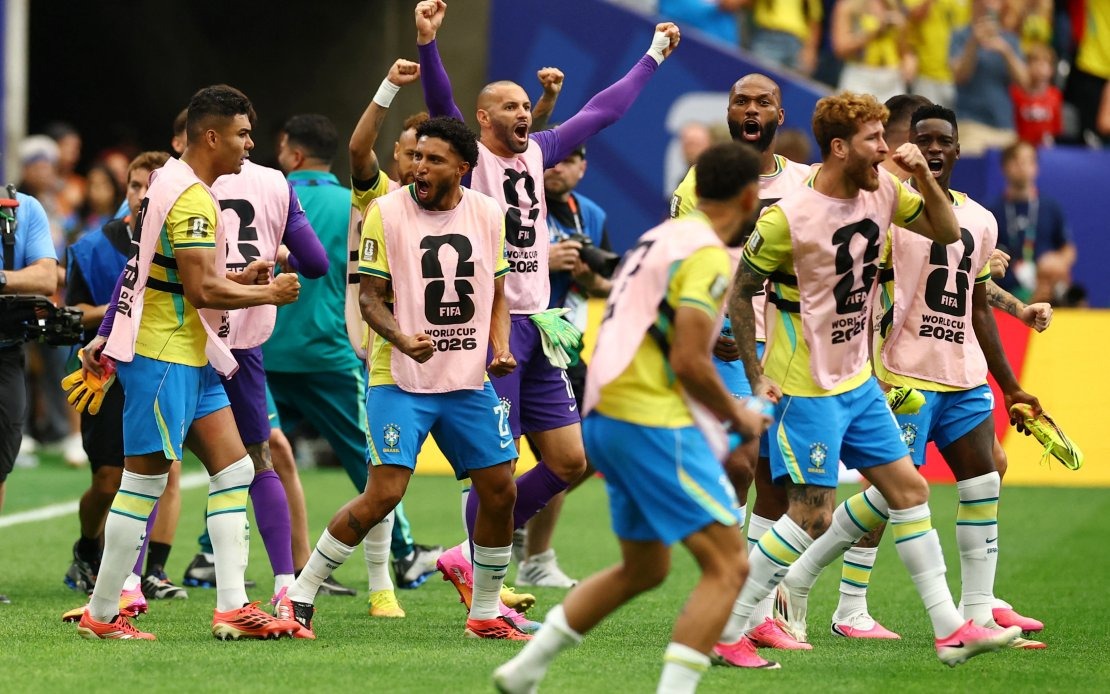
Gabriel Martinelli's clinical finish deep in stoppage time delivered Brazil a 2-1 triumph over Japan in Houston on Monday, propelling the five-time World Cup champions into the tournament's knockout round with a place in the last 16 now assured. The dramatic late winner caps a tightly contested encounter that showcased Japan's growing competitive edge against South American football's traditional powerhouse, though ultimately proved insufficient to prevent the Seleção's progression. Brazil now faces either Côte d'Ivoire or Norway in the round of 16, depending on Group H's final outcome.
Both nations arrived at this decisive matchup having navigated their respective group phases without defeat, a testament to their quality and the strategic nous of their coaching staffs. Brazil topped Group C with seven points accumulated across their three fixtures, demonstrating the consistency required to win a competitive section. Japan, meanwhile, finished second in Group F with a record of one victory and two draws, a respectable tally that underscored their tournament credentials and marked a significant achievement for Asian football on the global stage.
The historical narrative between these two nations carries particular weight. Brazil's superior pedigree was evident in their previous World Cup encounter, a 4-1 demolition that exemplified the gulf in class many observers expected to persist. Yet Japan's recent trajectory has challenged such assumptions. In their most recent friendly meeting just twelve months prior, Japan engineered a remarkable comeback to triumph 3-2 despite conceding first, a result that hinted at the tactical maturity and resilience they would bring to this World Cup campaign.
The opening exchanges revealed Brazil's tactical intent to dominate possession and dictate tempo, a familiar approach from a nation accustomed to controlling matches through midfield superiority. Matheus Cunha's attempt in the 14th minute, which drew a one-handed save from Japan goalkeeper Zion Suzuki, signalled Brazilian intentions without yet breaking through Japanese resistance. The defensive organisation displayed by the East Asian side suggested they had arrived with a clear defensive blueprint designed to frustrate and potentially exploit Brazilian complacency.
Japan's breakthrough in the 29th minute encapsulated the tactical opportunities available to teams prepared to press aggressively and capitalise on momentary lapses. A misplaced pass from Danilo provided the catalyst for Kaishu Sano's incisive forward run, the midfielder brushing past Casemiro before unleashing a strike of considerable power that evaded goalkeeper Alisson's reach. The goal represented not merely a chance conversion but validation of Japan's game plan, demonstrating that Brazil's famed attacking prowess could be temporarily contained through intelligent defensive positioning and swift counter-attacking.
Brazil's response in the second half demonstrated why they remain tournament favourites despite the setback. Bruno Guimaraes' strike and Casemiro's blocked header illustrated a team reasserting dominance through sustained attacking pressure. The equalising goal arrived in the 56th minute when Casemiro rose to head home a Guimaraes cross, a moment that reflected the aerial dominance Brazil possessed and the increasing difficulty Japan faced in sustaining their defensive organisation as the match progressed.
Vinicius Jr's moment of individual brilliance minutes after the equaliser showcased the offensive firepower at Brazil's disposal, though his mazy dribble culminated only in a strike that struck the post—a reminder that even supreme technical ability cannot guarantee conversion. Brazil's relentless pressure, however, created an inevitability about their eventual breakthrough, a psychological advantage that mounted as the match wore on and Japan's physical resources became depleted.
The winning goal epitomised Brazil's clinical finishing when opportunities presented themselves in decisive moments. Bruno Guimaraes' precisely weighted pass located Martinelli unmarked within the penalty area, a space created through intelligent movement and Brazil's numerical advantage in advanced positions. Martinelli's composure in a one-on-one situation against Suzuki underscored the mental fortitude required in World Cup football, where matches are frequently decided by marginal moments of execution.
Japan's subsequent pressing for an equaliser demonstrated commendable spirit, yet the Brazilian defensive unit, marshalled by their midfield screens, proved sufficiently organised to resist late urgency. The defeat, while disappointing, should not diminish Japan's achievement in reaching the knockout stage or the growing respect their football programme commands within global football hierarchies.
For Southeast Asian observers, this encounter carries implications beyond the immediate result. Japan's competitive showing against established powerhouses validates the region's capacity to develop football programmes capable of competing at the highest level, a lesson relevant to Malaysia and other ASEAN nations committed to elevating their football standards. Brazil's eventual victory, secured through experience and superior technical resources, reinforces the reality that progress requires sustained investment and tactical sophistication.

