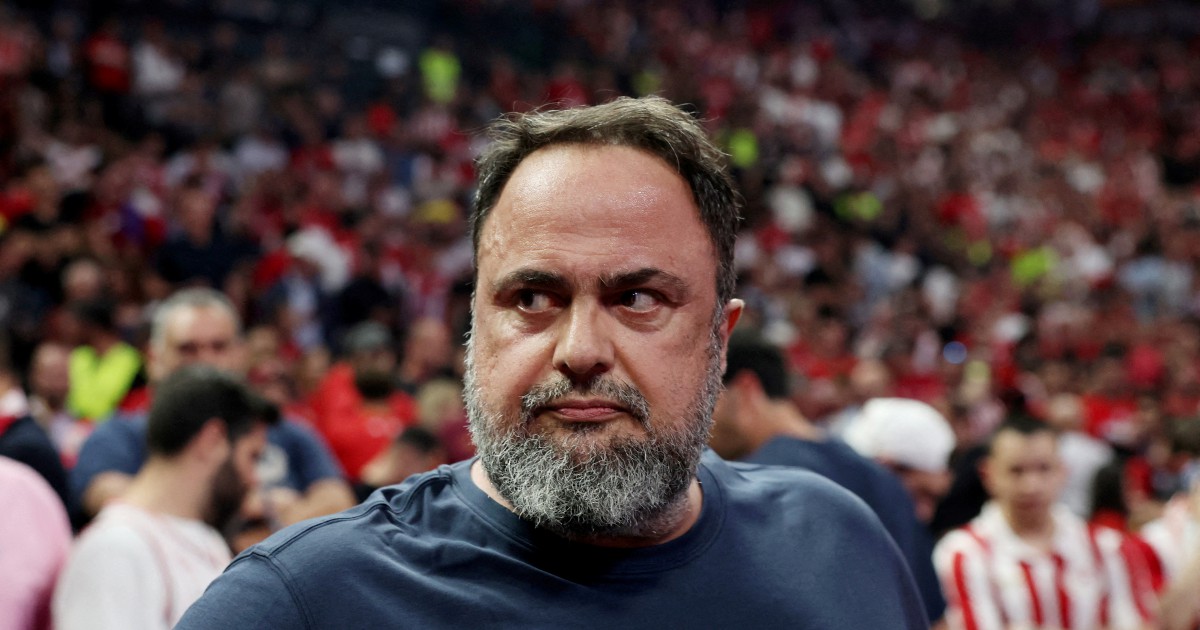
Nottingham Forest owner Evangelos Marinakis has initiated libel proceedings against Premier League side Crystal Palace at London's High Court, escalating tensions between the two clubs over an incident involving inflammatory supporter messaging from last season.
The Greek-born businessman, who took ownership of Nottingham Forest in 2017, filed the legal action on Monday. While the specific content of the banner has not been formally detailed in court documents, media outlets have reported that the dispute stems from signage displayed by Crystal Palace fans during a match played in the previous campaign.
This development marks a significant moment in English football's ongoing struggle with controlling fan behaviour and accountability within supporter communities. Marinakis has previously been a polarising figure within football circles, and his willingness to pursue legal recourse signals a shift towards more formal interventions rather than relying on traditional disciplinary pathways through football's governing bodies.
The incident reflects broader challenges facing Premier League clubs in managing their supporter base, particularly as tensions between rival fanbases periodically boil over into territory that crosses lines of acceptable conduct. While passionate rivalry is fundamental to football culture, clubs and their owners have shown increasing readiness to take decisive action when they believe supporters have crossed into defamatory or offensive conduct.
Crystal Palace, managed by Oliver Glaston, have not yet issued a public statement regarding the lawsuit. The South London club typically faces intense scrutiny regarding crowd control and supporter conduct, given their passionate fanbase and competitive fixture history against numerous rivals. How Palace management responds to this legal challenge will carry implications for how English football addresses similar disputes in future seasons.
The case will now proceed through London's legal system, with potential ramifications extending beyond the two clubs involved. The outcome could establish precedent regarding the extent to which football club owners can pursue legal remedies against supporter conduct, and whether individual fans or supporter groups can face personal liability for messages displayed in stadiums.
Marinakis has invested substantially in Nottingham Forest since acquiring the club, overseeing their return to the Premier League after a 23-year absence. The club's elevation back to England's top flight was celebrated by supporters as a transformative moment, yet Marinakis has remained a figure about whom opinions are sharply divided. His propensity to engage in high-profile disputes with other stakeholders in football suggests he adopts an uncompromising approach to protecting what he perceives as his interests.
The libel action also occurs within a complex landscape where footballing rivalries increasingly spill into non-sporting dimensions. English football has witnessed multiple instances of supporter behaviour crossing boundaries, from racial abuse incidents to offensive messaging, with various clubs and governing bodies attempting to establish clearer standards and consequences.
For Malaysian and Southeast Asian football followers, this case underscores how English football governance increasingly operates through legal frameworks rather than purely sporting sanctions. The Premier League has implemented extensive protocols for managing supporter conduct, yet this lawsuit demonstrates that formal legal systems may become necessary when internal disciplinary measures are perceived as insufficient.
The timing of the legal action also carries significance given that English football moves into a new campaign with heightened awareness of supporter conduct standards. Marinakis's decision to pursue litigation sends a clear message to supporter communities that offensive messaging can trigger serious consequences beyond stadium bans or club sanctions, potentially deterring similar incidents at other grounds.
As the case progresses through the courts, Crystal Palace will face difficult decisions regarding their response strategy. The club could attempt to settle the dispute confidentially, contest the allegations formally, or pursue alternative conflict resolution mechanisms. Each pathway carries different implications for the club's public standing and supporter relations.
This dispute represents a watershed moment in how English football addresses tensions between owner prerogatives, supporter rights, and acceptable conduct within stadiums. The outcome will likely influence how other club owners respond to perceived provocations from rival supporters, potentially reshaping the landscape of accountability in English football.

