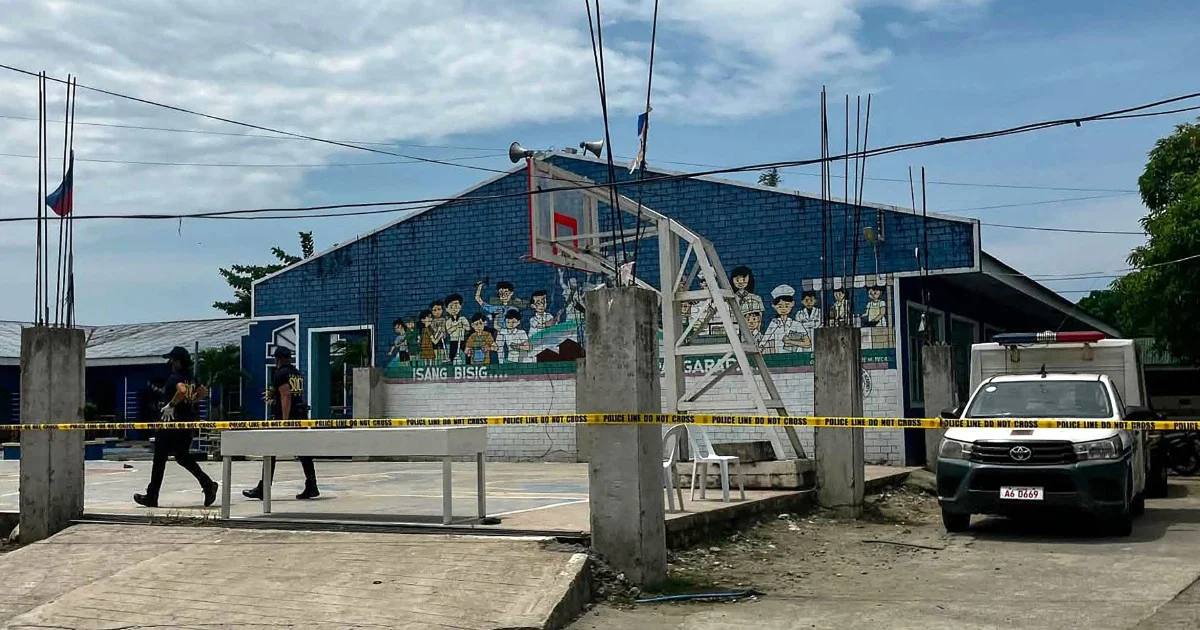
Philippine President Ferdinand Marcos Jr has ordered an immediate investigation into a shooting incident that occurred at a school in Tacloban, the capital of Leyte province, which resulted in three deaths and left five others injured. The directive signals the administration's commitment to understanding the circumstances surrounding the attack and determining responsibility for one of the country's deadlier school-related incidents in recent years.
School shootings remain a deeply troubling concern across the Philippines, a nation grappling with persistent challenges related to civilian firearm access and weapons management. The Tacloban incident underscores how educational institutions, which should serve as safe havens for learning and development, have increasingly become vulnerable to armed violence. The simultaneous harm inflicted on both adults and students within school premises raises urgent questions about campus security protocols and whether existing safeguarding measures are adequate to protect vulnerable populations.
The decision to launch a presidential-level investigation reflects the gravity with which Marcos Jr's administration views this tragedy. Such high-level intervention typically signals intent to conduct a thorough examination of factors contributing to the incident, ranging from how the perpetrator obtained weapons, whether any warning signs were missed, and whether institutional security failures played a role. The investigation will likely extend beyond immediate law enforcement responses to encompass broader questions about gun ownership regulations and their enforcement across the archipelago.
For Malaysian observers and those monitoring regional security developments, the Philippine situation illustrates challenges that extend beyond Manila's direct control. The Philippines has struggled with balancing Second Amendment-adjacent constitutional protections with public safety imperatives, creating regulatory gaps that armed individuals continue to exploit. Neighbouring countries in Southeast Asia, including Malaysia, maintain stricter firearms licensing regimes that could offer valuable comparative lessons for Philippine policymakers considering regulatory reforms.
The wounding of five additional victims alongside the three fatalities indicates the shooter had capacity and opportunity to inflict considerable harm, raising concerns about response times and the availability of armed personnel at the educational facility. Educational administrators across the region will likely review their own emergency response protocols following this incident, ensuring that staff training and security infrastructure can effectively manage armed threats. The incident will inevitably prompt discussions among school leadership associations about what preventive measures—from mental health screening to controlled access points—might mitigate such risks.
Context matters significantly in understanding how Tacloban became the site of such violence. As a major urban centre and provincial capital, the city experiences the types of social pressures, substance abuse challenges, and conflict dynamics that can occasionally culminate in armed episodes. Previous incidents in the Philippines have sometimes involved personal disputes or mental health crises spiralling into lethal violence. Determining which category this incident falls into will inform whether policy responses should emphasise stricter gun control, enhanced mental health services, or both.
The investigation will likely examine whether the shooter had a documented history of concerning behaviour, criminal record, or any documented mental health episodes. Questions will arise regarding whether family members, friends, or institutional contacts noticed warning signs that should have triggered intervention. These inquiries are essential not only for accountability but for identifying systemic gaps that, if addressed, might prevent similar tragedies. The investigation's transparency and eventual public findings could significantly shape public discourse around weapons policy across the Philippines and influence how other Southeast Asian nations approach similar challenges.
For educational institutions nationwide, the Tacloban shooting will inevitably trigger renewed focus on emergency preparedness. Schools will likely enhance staff training on active threat situations, review and potentially upgrade physical security measures including surveillance systems and controlled access points, and establish clearer communication protocols with local law enforcement agencies. Teachers and administrators will face difficult conversations with parents seeking reassurance about campus safety, highlighting the psychological toll that such incidents inflict beyond immediate casualties.
The incident also raises questions about the broader regulatory environment surrounding civilian firearms in the Philippines. The country's licensing process, while theoretically rigorous, faces implementation challenges stemming from corruption, inconsistent enforcement across jurisdictions, and informal weapons circulation. Ensuring that the investigation leads to concrete policy recommendations—rather than serving as a temporary media focus that dissipates—will require sustained political will and sustained pressure from civil society organisations advocating for evidence-based gun control measures.
Regional observers from Malaysia, Singapore, and other ASEAN nations closely monitoring this situation recognise that school safety transcends national borders as a shared concern. How Philippine authorities respond—both in their investigation methodology and any subsequent policy reforms—will be watched carefully as a test case for whether Southeast Asian democracies can effectively address institutional violence while respecting civil liberties. The coming weeks will reveal whether Marcos Jr's investigation order translates into meaningful systemic reform or represents temporary administrative theatre that fails to prevent recurrence.