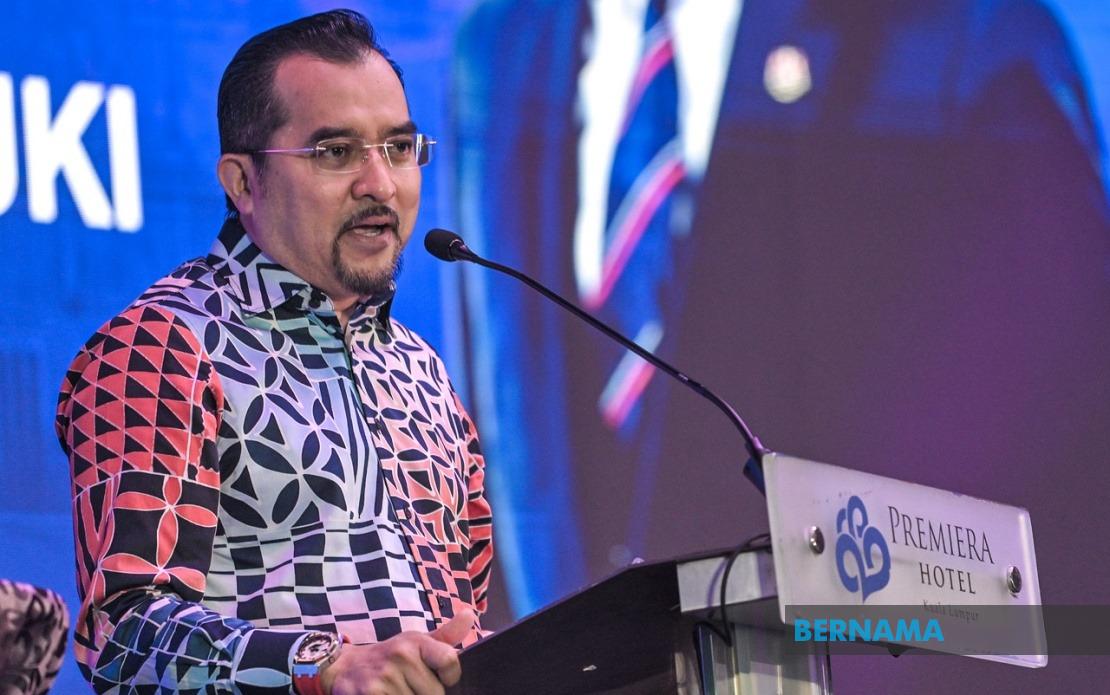
Majlis Amanah Rakyat (MARA) is moving decisively to strengthen pastoral care and disciplinary frameworks across its network of residential colleges by recruiting former military officers into dedicated warden roles. The initiative, announced by MARA chairman Datuk Dr Asyraf Wajdi Dusuki, will place two male and two female full-time wardens at each of the 58 MARA Junior Science Colleges (MRSM) nationwide. The phased implementation begins this year with 10 pilot institutions, before expanding across the entire system from January 2025 onwards.
The rationale behind enlisting retired military personnel reflects a deliberate institutional strategy to address staffing pressures that have strained the traditional teaching workforce. MARA acknowledged that classroom educators cannot sustainably shoulder the additional burden of full-time residential supervision whilst maintaining instructional duties. Former military officers bring inherent institutional experience with hierarchical structures, regimentation, and command-based accountability—qualities that educational administrators argue translate effectively into residential college environments where behavioural standards and collective living arrangements demand consistent enforcement.
The selection process for male candidates has already concluded, with female wardens' vetting expected to finalise within the announcement period. Critically, MARA partnered with the Malaysian Armed Forces (ATM) and allied government bodies to ensure rigorous screening, prioritising individuals with unblemished service records. This collaborative approach signals institutional confidence in the quality-control mechanisms whilst simultaneously strengthening ties between Malaysia's defence establishment and educational institutions.
For the broader Malaysian education sector, this development carries significant implications. The MRSM system represents a premier pathway for academically gifted students, particularly from underrepresented rural and lower-income backgrounds, making student welfare and development outcomes matters of public interest. By formalising dedicated pastoral staffing, MARA addresses a systemic gap that many Malaysian residential schools have struggled to manage effectively. The model may provide a template for other institutions grappling with similar challenges around student supervision and dormitory management.
Beyond disciplinary considerations, MARA positioned this initiative within its broader philosophy of producing graduates who combine technical excellence with ethical grounding. The chairman explicitly linked character development to institutional values, signalling that the organisation perceives discipline as foundational to producing citizens equipped not merely with marketable skills but with principled conduct. This framing resonates within Malaysian policy discourse, where character education (pendidikan watak) remains a recurrent government priority across educational levels.
Parallel developments underscore MARA's expansion beyond traditional academic streams. The organisation reported exceptional outcomes in Technical and Vocational Education and Training (TVET) pathways, with graduate employability reaching 99.1 per cent—a figure substantially above typical workforce integration benchmarks. This success reflects deliberate industry partnerships, exemplified by Samsung's recruitment of 700 MARA trainees at a starting salary of RM3,500. The wage premium attached to MARA TVET qualifications suggests recognition of graduate competency by multinational enterprises, validating the institution's investment in skills-aligned vocational curricula.
These employment outcomes acquire particular relevance within Malaysia's economic diversification agenda. As the nation pursues advanced manufacturing and technology-intensive sectors, MARA's ability to supply job-ready graduates reduces skills bottlenecks whilst simultaneously elevating vocational pathways' prestige—traditionally undervalued within Malaysian academic hierarchies. The Samsung partnership exemplifies how targeted collaboration with global corporations can create premium-wage employment avenues for non-degree-holding graduates, a model increasingly vital as Malaysia competes for high-value production roles within regional supply chains.
MARAs acknowledgement of top-performing MRSM institutions through RM145,000 excellence allocations reflects competitive incentivisation within the college network. Five institutions excelling in last year's Sijil Pelajaran Malaysia (SPM) examinations received designated funding for specialised programmes, a mechanism encouraging institutional differentiation and rewarding measurable academic achievement. This targeted resource distribution, whilst small in absolute terms, signals performance-based allocation principles penetrating MARA's traditionally equity-focused institutional culture.
The timing of these announcements coincides with ongoing national conversations around discipline in Malaysian schools. Periodic controversies involving student misconduct, mental health crises, and bullying have generated public scrutiny of residential institutions' pastoral capacity. MARA's proactive staffing expansion may preempt similar critical scrutiny, positioning the organisation as responsive to contemporary safeguarding expectations. The explicit commitment to non-negotiable standards regarding student conduct and morality suggests institutional determination to maintain reputational integrity, particularly important for an organisation closely identified with Malaysia's aspirational middle classes and their educational aspirations for children.
Implementing this warden deployment framework across 58 geographically dispersed colleges presents logistical and financial considerations not detailed in current announcements. Recruiting, training, and deploying over 230 full-time staff members requires sustained budgetary commitment and standardised operational protocols. The staggered rollout approach provides implementation flexibility, allowing MARA to refine procedures based on early-phase experiences before system-wide expansion.
For Southeast Asian education observers, MARA's trajectory illustrates how Malaysian institutions navigate tensions between traditional academic streaming, emerging vocational legitimacy, and contemporary expectations around holistic student development. The convergence of military-model discipline, industry-aligned technical training, and character-based educational philosophy reflects an institutional ecosystem prioritising nation-building outcomes—producing graduates equipped for both economic participation and citizenship responsibilities. Whether the ex-military warden model achieves intended disciplinary outcomes whilst avoiding potential rigidity remains an empirical question warranting future assessment as the initiative unfolds across Malaysia's residential college landscape.

