The Majlis Amanah Rakyat (MARA) has initiated a review of its standard operating procedures governing student outings at Mara Junior Science Colleges (MRSM) in the wake of two Form Four students disappearing from MRSM Alor Gajah in Melaka on August 11. The move comes as the institution seeks to balance safety concerns with the educational value of allowing pupils greater autonomy during their college years.
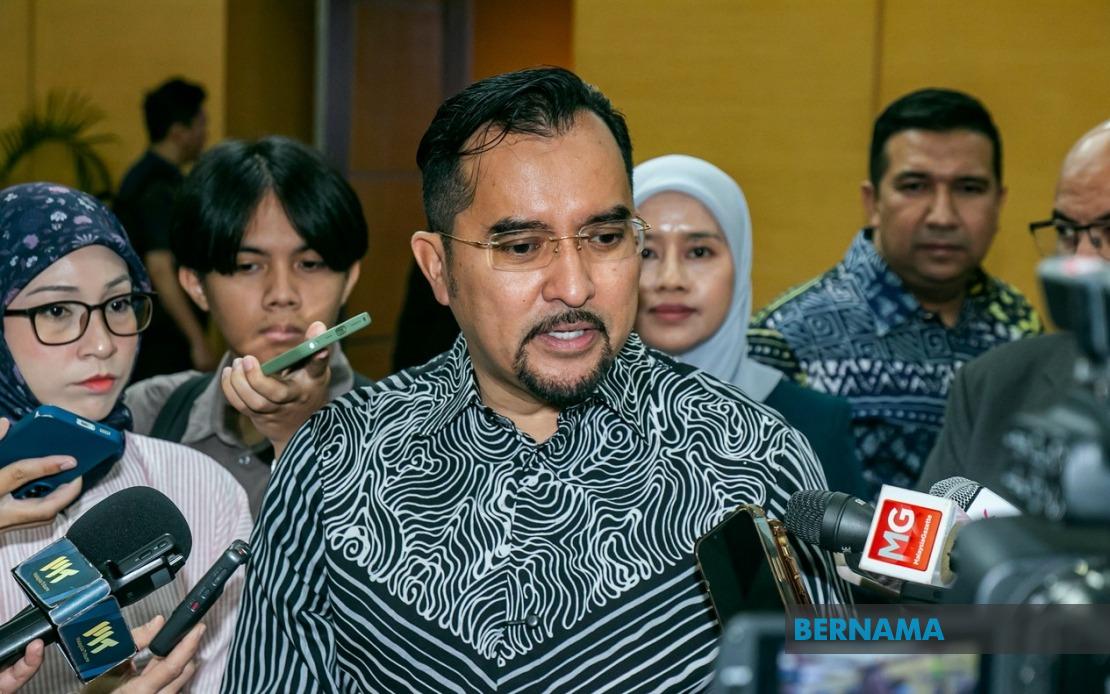
Datuk Dr Asyraf Wajdi Dusuki, MARA's chairman, characterised the incident as an isolated occurrence that should not serve as justification for draconian measures that could undermine the broader mission of MRSM institutions. Speaking to reporters following the 2026 pre-departure programme for MARA-sponsored students in Kuala Lumpur, he emphasised the importance of maintaining existing frameworks that have proven effective in fostering student development and maturity over many years.
The two students, both aged 16, had been permitted to leave campus as part of MRSM's established policy allowing pupils to venture into town one or two times each month under specified conditions. Notably, these outings have traditionally proceeded without direct teacher accompaniment, reflecting the colleges' philosophy of gradually transitioning students towards greater independence and responsibility. This approach aligns with the developmental psychology often employed in boarding school settings, where managed autonomy is viewed as essential to character formation.
Following their discovery four days after disappearing, the students were found in the vicinity of Pasar Seni in Kuala Lumpur. One of the pair experienced a panic attack subsequent to the ordeal and required hospital treatment, underscoring the emotional toll of their unexplained absence. The circumstances surrounding their disappearance and reappearance remain largely undisclosed as police investigations continue in Alor Gajah.
Ashraf Wajdi called for patience from stakeholders, urging all parties to grant police and relevant authorities sufficient space and time to complete their inquiries. He noted that MARA officials had been summoned by Alor Gajah police on Monday to assist with the investigation, though he declined to elaborate on specific findings or insights provided during that engagement. This measured approach reflects the institution's recognition that premature public disclosure could prejudice ongoing investigative efforts or compromise the privacy of the minors involved.
The MARA chairman's position carries significant weight in Malaysian educational circles, as MRSM institutions serve as flagship boarding schools that prepare high-achieving students for tertiary education and leadership roles. The colleges maintain rigorous academic standards and pride themselves on holistic development programmes, meaning that restrictions on student mobility and social activities could have downstream effects on the quality of the educational experience they provide.
For Malaysian families with children in MRSM, the incident raises inevitable questions about safety protocols and supervision levels. However, Asyraf Wajdi's insistence that this single occurrence should not become the basis for wholesale regulatory overhaul reflects a broader institutional confidence in existing safeguards. The implicit argument is that excessive restriction creates its own risks, including fostering resentment, encouraging clandestine behaviour, and ultimately failing to prepare students for autonomous decision-making in tertiary and professional environments.
The review of SOP will likely examine whether current conditions attached to town outings remain appropriate, whether communication protocols between students and staff could be enhanced, and whether additional guidance on safe travel and conduct in urban centres is warranted. Such measures could take shape without necessitating a return to highly supervised models that defined boarding school practice in earlier decades.
This episode arrives at a moment when Malaysian society is increasingly attuned to student welfare and institutional accountability. Parents, educators, and policymakers have grown more vocal about expecting transparent safety protocols and responsive management from educational authorities. MARA's willingness to review procedures, even while resisting knee-jerk restrictions, suggests an attempt to navigate these heightened expectations without dismantling pedagogical approaches that stakeholders have long valued.
The broader implications extend beyond MRSM to the wider ecosystem of Malaysian boarding schools, where similar outing policies exist. How MARA calibrates its response could influence practice across the sector, making this review consequential for thousands of students. The challenge lies in crafting policies that protect vulnerable teenagers without infantilising them or inadvertently incentivising risky behaviour born of excessive constraint.
Looking ahead, the outcome of police investigations will likely inform the contours of any revised SOP. Should circumstances indicate negligence or systemic lapses, a more robust response may prove unavoidable. Conversely, if the disappearance emerged from unforeseeable personal circumstances unrelated to institutional procedures, MARA's current stance of restraint and measured review will have been vindicated. Either way, the incident underscores the enduring tension in Malaysian education between safeguarding minors and facilitating their gradual transition to adulthood.

