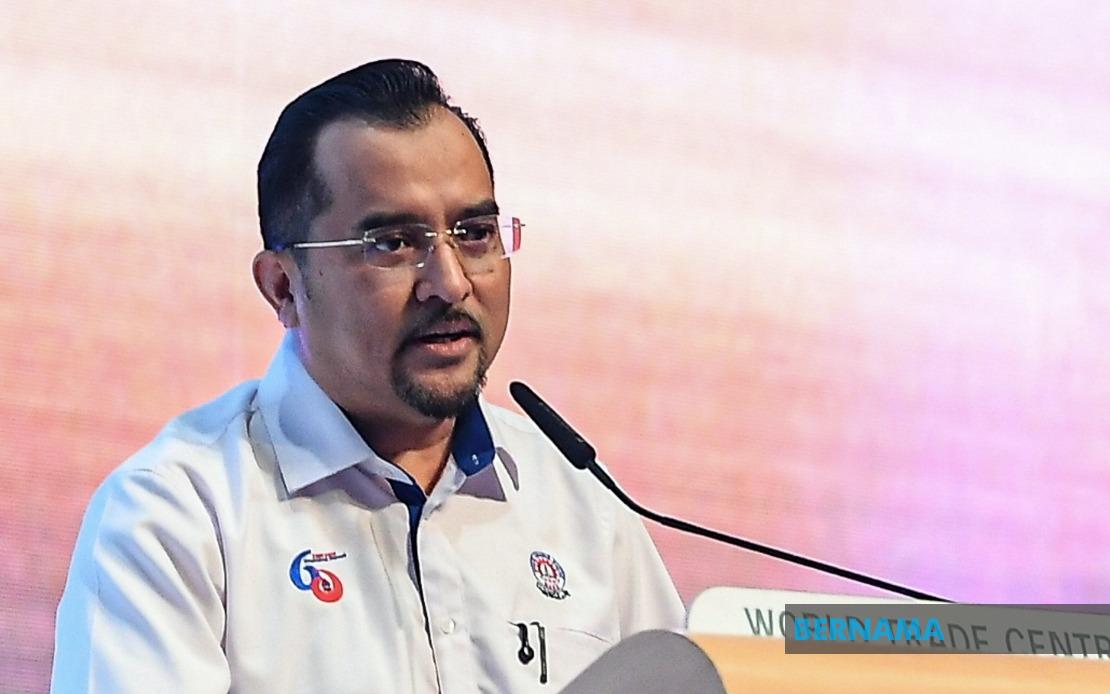
MARA Chairman Datuk Asyraf Wajdi Dusuki has ordered the immediate expulsion of six MRSM students in Johor if investigations confirm their involvement in bullying a fellow pupil, marking an uncompromising stance on campus harassment that carries significant implications for Malaysia's premier boarding school system.
The declaration came after six Form Five students were arrested on suspicion of bullying a 14-year-old junior and subsequently remanded for two days to assist police inquiries. Rather than waiting for the completion of formal legal proceedings, the MARA leadership has instructed the institution's Secondary Education Division and MRSM administration to convene a College Disciplinary Committee within 24 hours to conduct a parallel investigation and determine the appropriate institutional response.
The bullying case emerged only when the victim's parents disclosed their child's ordeal on social media platforms, describing how the psychological toll had become so severe that the young student requested permission to withdraw from the residential college. This delayed disclosure underscores a broader concern about the effectiveness of existing reporting mechanisms within Malaysia's boarding schools and the reluctance many families face when escalating internal grievances through official channels.
Datuk Asyraf Wajdi Dusuki articulated a unequivocal position on the matter, stating that physical violence or aggressive behaviour disguised as "disciplinary action" against junior students represents a categorical breach of institutional values. His declaration of "YOU TOUCH, YOU GO" functions as both a warning to prospective perpetrators and reassurance to vulnerable students that transgression will result in permanent removal from the college environment. This rhetoric signals a departure from any implicit tolerance for informal hazing traditions that may have persisted within the MRSM network.
The timing of this stern directive suggests growing awareness within MARA's upper management of reputational risks associated with campus safety failures. Malaysia's residential secondary schools, particularly elite institutions like MRSM colleges, operate under heightened public scrutiny regarding duty of care obligations. Parents investing considerable resources and emotional commitment in boarding education naturally expect robust safeguarding frameworks. The proactive public response by the MARA chairman appears calibrated to reassert institutional credibility and demonstrate that leadership takes protective responsibilities seriously.
Datuk Asyraf's emphasis on immediate reporting protocols reveals an understanding that bullying patterns often escalate through silence and victim isolation. By explicitly encouraging students to report incidents to teachers, wardens, or school administration without fear of retaliation, the MARA leadership attempts to shift institutional culture toward transparency. However, the effectiveness of such appeals depends critically on whether reporting channels genuinely shield whistleblowers from social consequences or administrative dismissal of complaints.
The statement also contains a pointed warning directed at potential accomplices or those tempted to shield perpetrators through silence or misdirection. MARA has cautioned that concealment will trigger institutional action, effectively positioning the organisation as willing to pursue secondary violations when bystanders or authority figures prioritise protection of the accused over institutional integrity. This extends accountability beyond the immediate perpetrators to encompass the broader ecosystem that enables wrongdoing.
The Johor incident resonates within a Malaysian context increasingly sensitised to student welfare through high-profile cases and growing parental activism on social media. Boarding schools nationwide will likely face heightened parental expectations following this case, with families demanding equivalent transparency and swift action should similar incidents occur. The MARA precedent, therefore, establishes a benchmark that peer institutions may struggle to match if their own processes appear less rigorous or decisive.
From a systemic perspective, this situation highlights tensions inherent in residential education models. Dormitory environments with minimal parental supervision create conditions where peer hierarchies can calcify into harmful power dynamics. The MRSM system, designed to cultivate academic excellence and leadership qualities among Malaysia's brightest secondary students, must now contend with the reality that concentrated populations of adolescents require sophisticated safeguarding infrastructure rather than assumptions of self-regulation through internal codes of conduct.
The police investigation running parallel to the college disciplinary process introduces procedural complexity. Legal determinations of culpability may differ from institutional findings, with the college potentially arriving at expulsion decisions before criminal proceedings conclude. This creates scenarios where students face double jeopardy through simultaneous institutional and legal consequences, though MARA's language suggests the organisation views expulsion as a necessary protective measure regardless of ultimate criminal outcomes.
For Malaysian parents considering MRSM enrollment, this incident and leadership response offer mixed signals. While the clear commitment to zero tolerance provides assurance, the case itself demonstrates that bullying can occur despite residential supervision and peer monitoring. Parents must weigh the educational benefits of premier boarding institutions against residual risks, knowing that even well-resourced environments cannot guarantee absolute safety.
Moving forward, MARA's challenge extends beyond this particular case to institutionalising the protective mechanisms its leadership has now promised. Sustainable change requires investment in staff training, counseling resources, and architectural redesign of complaint processes that encourage reporting. The rhetoric must translate into operational reality, with measurable outcomes demonstrating that institutional culture has fundamentally shifted toward protecting vulnerable students and rejecting any tolerance for aggression or intimidation.

