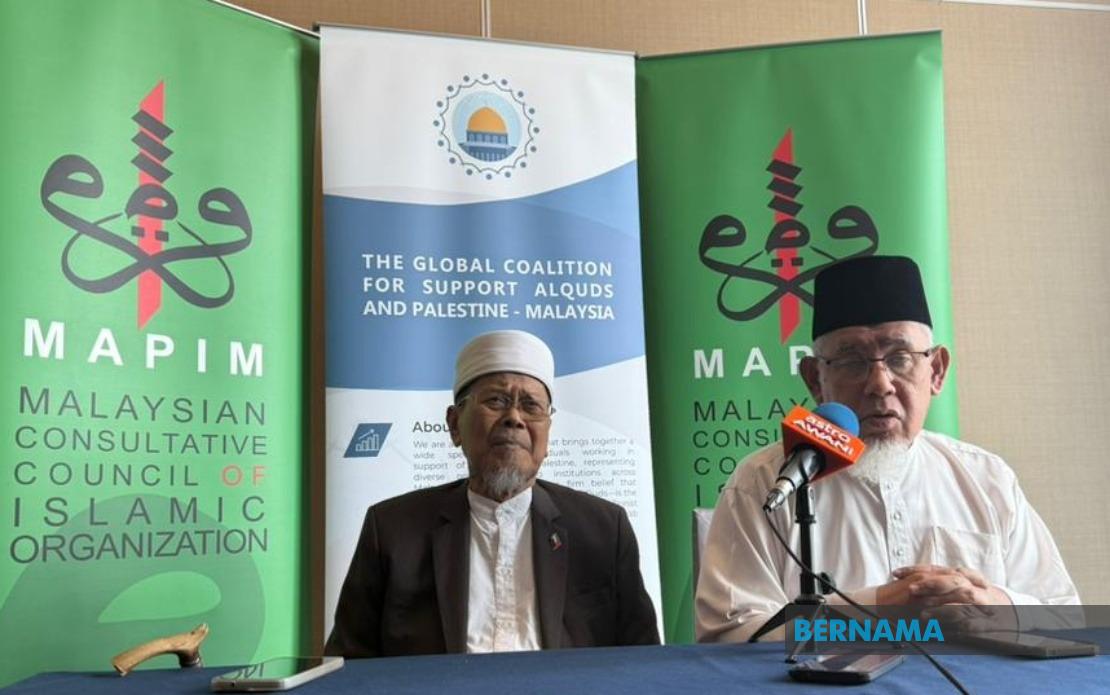
Malaysia's premier Islamic consultative body announced on Wednesday that it will dispatch a humanitarian mission to Nepal beginning September 5 to provide relief assistance to communities devastated by massive flash floods. The initiative from the Malaysian Consultative Council of Islamic Organisations comes amid an ongoing search for dozens of Malaysians believed to be among the missing following the disaster that struck on August 26.
MAPIM president Mohd Azmi Abdul Hamid revealed that preliminary coordination with Nepal's diplomatic mission in Malaysia has already begun, establishing communication channels necessary for effective deployment of relief supplies and personnel. The organisation has deliberately structured its response in phases to ensure resources are allocated where they can provide maximum humanitarian impact during the critical recovery period.
The initial phase will see four MAPIM volunteers travel to the affected regions to conduct comprehensive needs assessments and establish coordination mechanisms for distributing international assistance. This ground reconnaissance approach reflects best practice in humanitarian operations, allowing aid organisations to prioritise interventions based on actual conditions rather than assumptions. The volunteers will work to identify infrastructure gaps, vulnerable populations requiring immediate support, and logistical challenges that might impede aid delivery to remote mountain communities.
Recognising that coordinated response yields superior outcomes compared to fragmented efforts, MAPIM is actively engaging Malaysian non-governmental organisations to participate in the mission. The collaboration extends to MyCare, an established humanitarian organisation with experience in disaster response, alongside two local Nepal-based NGOs that possess ground knowledge and established networks within affected communities. This multi-stakeholder approach broadens the mission's capacity and reduces duplication of effort across the relief sector.
The August 26 catastrophe represents one of the region's most severe recent natural disasters. An avalanche triggered torrential flash floods that swept through the Himalayan mountain valleys, generating a destructive force that carried rocks, ice, mud and debris through mountain rivers at devastating velocity. The disaster path followed major waterways connected to popular trekking routes that traverse the Himalayan region, transforming what are normally scenic mountain passages into channels of destruction that engulfed villages and critical infrastructure along the Kathmandu-to-Lhasa corridor.
Casualty figures remain dire and fluid as search operations continue across the mountainous terrain. Official reports documented at least 469 confirmed deaths with more than 1,400 people reported missing, including nearly 540 foreign nationals caught in the disaster. For Malaysia, the situation carries particular urgency, as the Ministry of Foreign Affairs confirmed that 57 Malaysians remained unaccounted for as of late August 27, based on reports submitted by concerned family members, friends and employers. This significant number reflects the popularity of Nepal's trekking routes among Malaysian adventure tourists and the substantial Malaysian expatriate community working in the region.
When addressing the humanitarian priorities identified by MAPIM's preliminary assessment, Mohd Azmi identified medical supplies as the most pressing requirement for affected populations. Following acute injury and trauma management, the distribution of basic food packages to survivors ranks as the second immediate priority. These needs reflect the typical cascading requirements in post-disaster situations where immediate medical intervention prevents mortality from preventable causes, while food provision addresses the logistical breakdown in supply chains that affects even communities with existing food stocks.
MAPIM's leadership indicated that formal notification of the humanitarian mission details will be conveyed to Prime Minister Datuk Seri Anwar Ibrahim through appropriate channels, ensuring governmental awareness and coordination with Malaysia's official disaster response architecture. This procedural step positions MAPIM's private-sector relief efforts within the broader national response framework, potentially facilitating customs clearance, diplomatic coordination and intelligence-sharing that enhances operational efficiency.
Mohd Azmi framed the mission as an expression of Malaysia's collective solidarity with Nepal's affected populations. The statement carries diplomatic significance, positioning the assistance as an embodiment of Malaysian values and compassion rather than mere transactional aid. For a Muslim-majority Southeast Asian nation, deployment of an Islamic organisation's humanitarian resources to a predominantly Hindu nation underscores the universalist character of disaster response and Malaysia's commitment to international humanitarian principles transcending religious or political boundaries.
The timing of the announcement during the Regional Mosques Conference 2026 deliberations suggests the humanitarian initiative reflects broader institutional commitments to community service within Malaysia's Islamic institutional landscape. Mosques and Islamic organisations have historically served as mobilisation platforms for charitable response during international crises, leveraging their grassroots networks and volunteer capacity to channel Malaysian resources toward global humanitarian needs.
For Malaysian readers, particularly those with family or friends in Nepal or those concerned about Malaysians affected by the disaster, the MAPIM mission represents concrete institutional action undertaken by a major Malaysian body. The September 5 deployment timeline suggests urgent action, though the multi-stage approach acknowledges the complexity of operating in remote mountainous terrain where logistics present substantial challenges beyond those encountered in urban or easily accessible disaster zones. The involvement of local Nepali NGOs in the mission framework addresses the sensitivity of disaster response in foreign jurisdictions, ensuring that external assistance respects local leadership and incorporates contextual understanding essential for effective and culturally appropriate humanitarian work.
As information about the mission unfolds, MAPIM's approach will likely influence broader Malaysian institutional responses to the Nepal crisis. The organisation's willingness to partner with secular NGOs and coordinate with government ministries demonstrates that Malaysia's humanitarian responses, while rooted in Islamic organisational structures, operate within inclusive frameworks that emphasise practical effectiveness and professional disaster management over narrow institutional or religious considerations.

