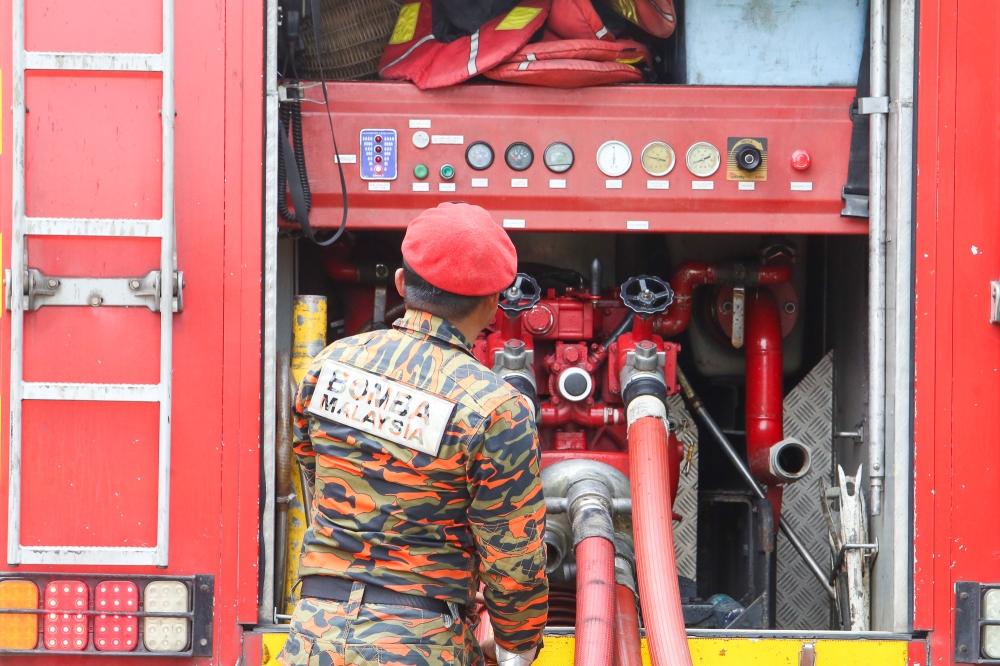
Police in the northern Kedah town of Jitra have arrested a man accused of deliberately torching his mother's residence following a severe domestic dispute. The incident, which occurred at a property in Kampung Sunga, has drawn attention to the escalation of family tensions into criminal behaviour, raising questions about domestic conflict resolution in rural communities.
The arrest came after authorities responded to the fire, which destroyed or significantly damaged the wooden structure. Investigators determined that the blaze was not accidental but rather the result of deliberate action, prompting them to detain the suspect for questioning. The specific motive, as articulated by the suspect during preliminary interviews, centred on longstanding grievances between family members that had reached a breaking point.
Jitra, located in Kedah's Kuala Muda district, is a typical small Malaysian town where family relationships and community networks remain tightly interwoven. Incidents of this magnitude—where domestic quarrels escalate to criminal acts—are typically investigated thoroughly by local police divisions, as they represent potential flashpoints for broader community concern. The arrest underscores how quickly seemingly internal family matters can transform into serious offences with legal consequences.
The exact nature of the dispute remains part of the ongoing investigation, with police conducting interviews with the suspect, family members, and potential witnesses. Such enquiries typically examine the background of relationships, any history of conflict, and circumstances immediately preceding the fire. The involvement of property destruction and potential endangerment of life elevates the case beyond simple family mediation into the realm of criminal liability.
For residents of Kampung Sunga and surrounding areas, the incident serves as a stark reminder of the dangers associated with unresolved family tensions. Rural communities in Malaysia, while traditionally reliant on informal dispute resolution mechanisms involving village elders or religious authorities, increasingly encounter situations where conflicts breach the threshold for intervention by formal law enforcement agencies. This case illustrates the limitations of informal systems when emotional distress or substance abuse becomes a factor.
The Jitra police division, responsible for law and order across a significant portion of Kuala Muda district, has emphasised the seriousness with which such incidents are treated. Arson—the deliberate setting of fire to property—carries substantial penalties under Malaysian law, potentially including lengthy imprisonment depending on circumstances and the extent of damage or injury caused. Investigations will determine whether additional charges might apply, particularly if the fire posed risks to other residents or neighbouring properties.
Family violence and property crimes have emerged as persistent concerns in several Malaysian states, including Kedah, where economic pressures, substance abuse, and inadequate access to mental health services contribute to domestic instability. Organisations working on family welfare issues have noted that early intervention through community awareness and accessible counselling services could potentially prevent escalation to criminal acts. The case in Jitra adds to a growing body of incidents demonstrating the urgent need for preventative approaches alongside punitive responses.
The alleged perpetrator remains in police custody pending further investigations and potential court proceedings. The affected family, meanwhile, must contend with the immediate aftermath of losing or sustaining significant damage to their home, compounded by the emotional trauma of having a family member implicated in the destruction. Such cases often reveal deeper family dysfunction that may require therapeutic intervention beyond the criminal justice system.
Southeast Asian societies, including Malaysia, have historically struggled with balancing respect for family privacy and autonomy against the need to protect vulnerable household members and prevent violent escalation. This Jitra case exemplifies that tension, occurring as it does in a context where neighbours and extended family may have been aware of brewing tensions but lacked clear pathways to intervene constructively before the situation reached a critical point.
Local authorities and community leaders in the affected area are likely to intensify awareness campaigns regarding dispute resolution resources, domestic violence hotlines, and the importance of reporting concerns before situations deteriorate. Police investigations into such incidents also serve an educational function, demonstrating that serious crimes originating from family disputes carry real consequences and that the criminal justice system will respond decisively to protect public safety and property rights.
The case is expected to proceed through the courts in due course, where evidence regarding the deliberate nature of the fire, the suspect's mental state and intentions, and any mitigating or aggravating factors will be examined. Regardless of the judicial outcome, the incident has once again highlighted the critical importance of accessible support systems for families experiencing conflict, and the role that community vigilance and professional intervention can play in preventing tragedies.

