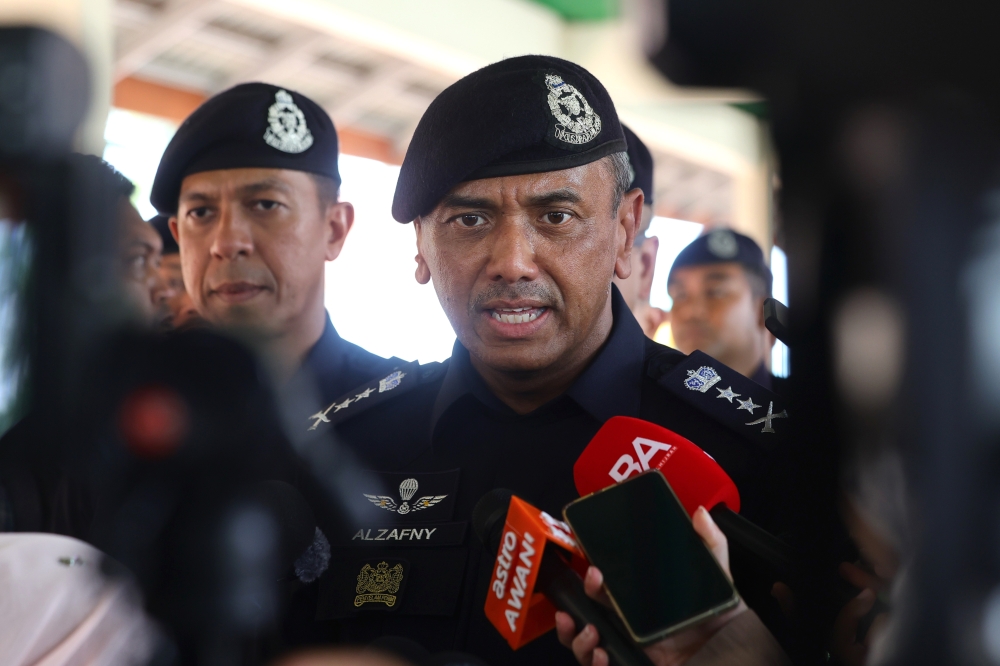
A 52-year-old man is being held for two days by police to help with investigations into accusations that he posted insulting remarks targeting the Negri Sembilan royal institution on social media platforms. The remand order, approved on July 21, comes as authorities continue their efforts to identify and prosecute individuals suspected of making derogatory comments about Malaysia's royal households across digital channels.
The case highlights the ongoing tension between digital freedoms and the legal protections afforded to Malaysia's monarchy under the country's laws. Insulting remarks directed at royal institutions remain a sensitive matter in Malaysian society, with legal consequences outlined under relevant federal and state legislation. The investigation follows an increasing number of cases where individuals have faced police action for allegedly breaching these laws through social media posts and online comments.
During the two-day remand period, the suspect will undergo questioning aimed at establishing the nature and extent of the alleged remarks, determining their publication date and reach, and identifying any potential co-conspirators or coordinated activity. Police will also seek to gather evidence from social media platforms and digital communications to support the investigation and build a comprehensive case file for potential prosecution.
The arrest underscores how Malaysian law enforcement has increasingly focused on monitoring online spaces for content deemed disrespectful toward the monarchy. Authorities have made multiple arrests over the past several years related to similar allegations, reflecting a broader policy of vigilantly protecting royal dignities in an age of widespread internet usage and rapid information dissemination. This approach has drawn both domestic support from those who view it as necessary protection and international attention from digital rights observers.
Negri Sembilan, one of Malaysia's thirteen states, maintains its own royal institution with its own protocols and legal frameworks protecting its dignity. The state's Duli Yang Maha Mulia Raja is a significant ceremonial and constitutional figure within Negri Sembilan's governance structure. Protecting royal institutions from disrespect is viewed by Malaysian authorities as essential to maintaining constitutional order and social stability.
The investigation process in such cases typically involves cooperation between state and federal police units, digital forensics specialists, and legal advisors who assess whether alleged statements cross thresholds established by law. Malaysian courts have previously convicted individuals under relevant statutes, establishing precedent for what constitutes actionable insult versus permissible criticism or political discourse. The distinction between protected speech and illegal insult remains an evolving area of Malaysian jurisprudence.
For Malaysian readers familiar with social media usage and online discussions, this case serves as a reminder of the legal boundaries that apply to comments made in digital spaces. Unlike some jurisdictions where online speech receives broader protection, Malaysia's legal framework extends protections to royal institutions into the digital realm. Individuals posting on platforms like Facebook, Twitter, Instagram, or WhatsApp should understand that location-independent enforcement is possible, with Malaysian law applicable to citizens regardless of where they publish from.
The broader context for such investigations includes Malaysia's position as a Southeast Asian nation where traditional respect for monarchical institutions intersects with modern communication technologies. Other regional democracies grapple with similar questions about balancing digital expression with institutional protection, though Malaysia's approach tends toward stricter enforcement of royal dignity statutes compared to several neighbouring countries.
Police have not yet released additional details about the specific allegations or the online platform where the remarks allegedly appeared. The two-day remand will allow investigators to determine whether charges should be filed, what offences might be applicable, and whether further detention or bail conditions are necessary. Depending on investigation outcomes, the suspect may be released, charged in court, or remanded for additional questioning periods.
This case reflects a consistent pattern of enforcement that extends across Malaysia's thirteen states and federal territories. Each jurisdiction maintains its own mechanisms for protecting royal institutions, though federal laws also provide overarching protections. The overlapping jurisdictions sometimes result in coordinated investigations involving multiple police units and legal frameworks. The Negri Sembilan case will likely follow procedural pathways established in numerous similar investigations conducted nationally over recent years.
For individuals in Malaysia and Malaysian diaspora communities abroad, the implications are clear: digital citizenship carries legal responsibilities alongside rights, particularly regarding comments about state and federal royal institutions. As social media becomes increasingly integrated into daily communication, understanding these legal boundaries becomes important for anyone engaging in online discourse about public figures and institutions that enjoy constitutional protection.

