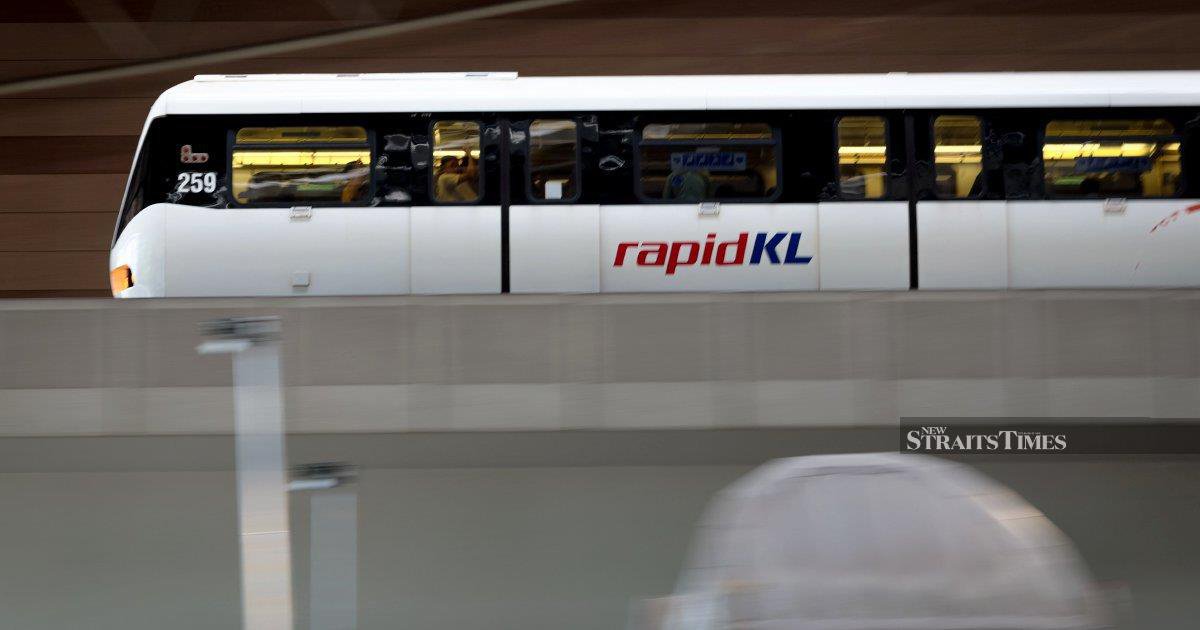
A man has been taken into custody following an unauthorised incursion onto the rail infrastructure at Jalan Meru Station, which caused temporary disruptions to Rapid KL's Shah Alam Line during the early morning hours. The trespassing incident led to a suspension of train movements along the affected corridor while emergency procedures were implemented and the situation was brought under control.
The Shah Alam Line, which connects several major stations across Klang Valley and serves as a crucial commuter arterial for thousands of daily passengers, experienced service delays as a result of the security breach. The disruption occurred during a time when rail demand typically builds toward the morning peak, potentially affecting the commute schedules of numerous travellers who depend on the rapid transit system.
Rail security protocols were activated following discovery of the unauthorised presence on the tracks. Officers responded swiftly to assess the situation and ensure passenger and operational safety. The intruder's presence on the restricted track area posed considerable risks not only to his own wellbeing but also to the integrity of the transport network and the safety of personnel working on site.
Jalan Meru Station, located within the Petaling district, serves as a significant interchange point within Rapid KL's network. The station handles considerable passenger volumes throughout operating hours, and any disruption to its connectivity affects broader network performance. The morning hours are particularly critical for commuter flow, as workers, students, and service providers converge on the station heading into Kuala Lumpur and surrounding commercial districts.
Track incursions represent an ongoing concern for public transport operators across the region. These unauthorised entries pose multifaceted challenges: they create immediate safety hazards for the individuals involved, disrupt scheduled services and passenger connectivity, necessitate emergency response procedures, and consume operational resources that could otherwise be directed toward service enhancement. The incident underscores the persistent vulnerability of rail infrastructure to human interference despite preventive measures.
Rapid KL's operational continuity depends significantly on maintaining secure access to tracks and adjacent areas. The Shah Alam Line, which stretches across a considerable distance with numerous station stops, requires robust perimeter management and surveillance systems to prevent unauthorised access. However, the scale and geography of the network present inherent challenges to achieving total security coverage, particularly at peripheral or lesser-trafficked stations.
The arrest represents a formal intervention within Malaysia's legal framework governing railway trespassing. Such incidents typically fall under transport and safety legislation that prescribe penalties for unauthorised entry onto operational rail infrastructure. The severity of consequences varies depending on circumstances, but such breaches are treated seriously given their potential to endanger lives and disrupt essential services.
For commuters relying on the Shah Alam Line, such disruptions create cascading scheduling complications. Workers arriving late to employment, students missing classes, and service users missing appointments experience real consequences from what may appear to be a brief operational hiatus. The cumulative impact across thousands of affected journeys represents a substantial public cost beyond the immediate operational inconvenience.
The incident highlights ongoing tensions between open-access public spaces and the security requirements of critical infrastructure. Railway operators must balance operational efficiency and accessibility with comprehensive protection against intrusion. Elevated fencing, security personnel, and surveillance technology represent standard protective measures, yet determined individuals can occasionally breach these defences, particularly during hours of reduced operational vigilance.
Rapid KL has continued to expand passenger education campaigns regarding railway safety and the dangers of track trespass. Public messaging emphasises that tracks are restricted operational zones where dangers including electrified rails, moving trains, and operational equipment create severe hazard environments. Despite such messaging, isolated incidents continue to occur, whether through deliberate intent, negligence, or circumstances of emergency.
The operator's response protocols have demonstrated capability to contain such incidents and restore normal operations within reasonable timeframes. Coordination between security personnel, operational staff, and law enforcement authorities enables rapid stabilisation of disrupted services. However, prevention remains more efficient than response, and the incident underscores the value of continued investment in perimeter security and surveillance infrastructure.
Looking forward, the episode may prompt review of security measures at Jalan Meru Station and consideration of whether enhanced preventive systems could reduce recurrence risks at this location. Rapid KL maintains ongoing dialogue with authorities regarding railway security enhancement and passenger protection. The fundamental objective remains ensuring that transit services operate safely, reliably, and consistently for the benefit of Klang Valley residents.

