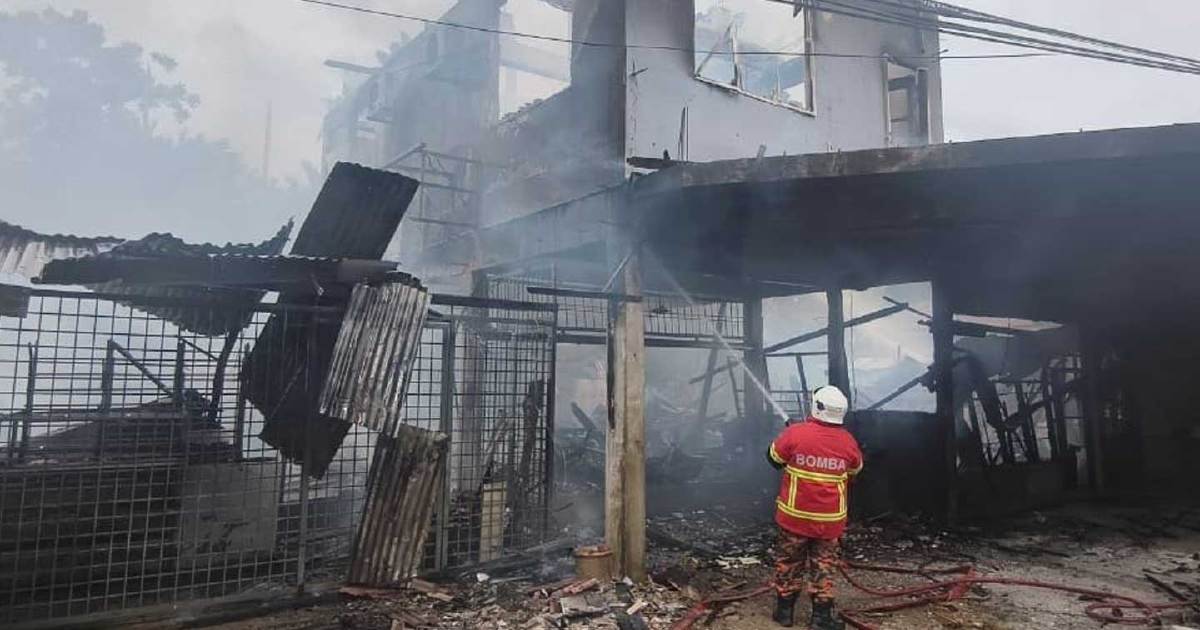
Police in Jitra have remanded a 36-year-old man for five days following his arrest on suspicion of deliberately setting fire to his mother's residential property in Kampung Sungai Baru. The decision to extend custody reflects the seriousness with which authorities are treating the suspected arson, granting investigators additional time to gather evidence and interview the suspect.
The arrest marks another incident of alleged property destruction in Kedah's northern district, where residential fires have drawn increasing scrutiny from law enforcement. The remand period allows the investigating officer to conduct comprehensive interviews with the accused and pursue further leads that may emerge from the preliminary investigation.
Arson cases involving family members present particular challenges for law enforcement, as investigators must determine motive while also considering the psychological and domestic factors that may have contributed to the alleged criminal act. The five-day remand period provides adequate time to explore potential underlying causes, whether financial distress, family disputes, or other personal circumstances.
Kampung Sungai Baru, a residential area in the Jitra vicinity, has not been prominently featured in recent crime reports, making this incident noteworthy for the local community. Residents in such settlements are typically reliant on police investigations to establish whether the fire was intentionally set or resulted from accident or negligence.
The alleged offence of arson in Malaysia carries substantial penalties under the Penal Code, with convictions potentially resulting in imprisonment and substantial fines. The distinction between intentional arson and criminal negligence depends heavily on forensic evidence and witness testimony, both of which police will prioritize during the five-day remand period.
The involvement of a family member as the suspected perpetrator adds complexity to what might initially appear to be a straightforward property crime. Investigators must examine the suspect's movements immediately before the fire, his access to accelerants, and any prior incidents suggesting motive or planning.
During the remand period, forensic teams typically conduct detailed examination of the burnt property to determine the fire's point of origin, while witness statements from neighbours or family members may corroborate or contradict the accused's account of events. Such evidence becomes crucial when the case proceeds to court.
The mother's status as the victim and property owner raises additional questions about family relationships and whether ongoing domestic tensions preceded the alleged incident. Police interviews will likely explore whether any disputes or grievances existed that might have motivated the suspected arson.
For residents of Kampung Sungai Baru and surrounding areas, this incident underscores the importance of fire safety awareness and the community's responsibility to report suspicious activities. Fire prevention remains a critical public health concern, particularly in residential areas where rapid spread could endanger multiple households.
The five-day remand order suggests that the investigating officer presented sufficient evidence to the court to justify continued detention, indicating that preliminary findings favour the prosecution's case. However, remand does not imply guilt, and the suspect retains the presumption of innocence until charges are formally filed and proven in court.
As the investigation progresses, authorities will determine whether to extend the remand further, release the suspect on bail, or proceed directly to charging. The outcome will depend on the strength of evidence collected and the success of investigators in establishing clear motive and opportunity.
This case serves as a reminder of the devastating impact that property crimes, particularly arson, can have on families and communities. It also highlights the dedicated work of fire and police investigative units in Kedah as they work to maintain public safety and bring perpetrators of such crimes to justice.

