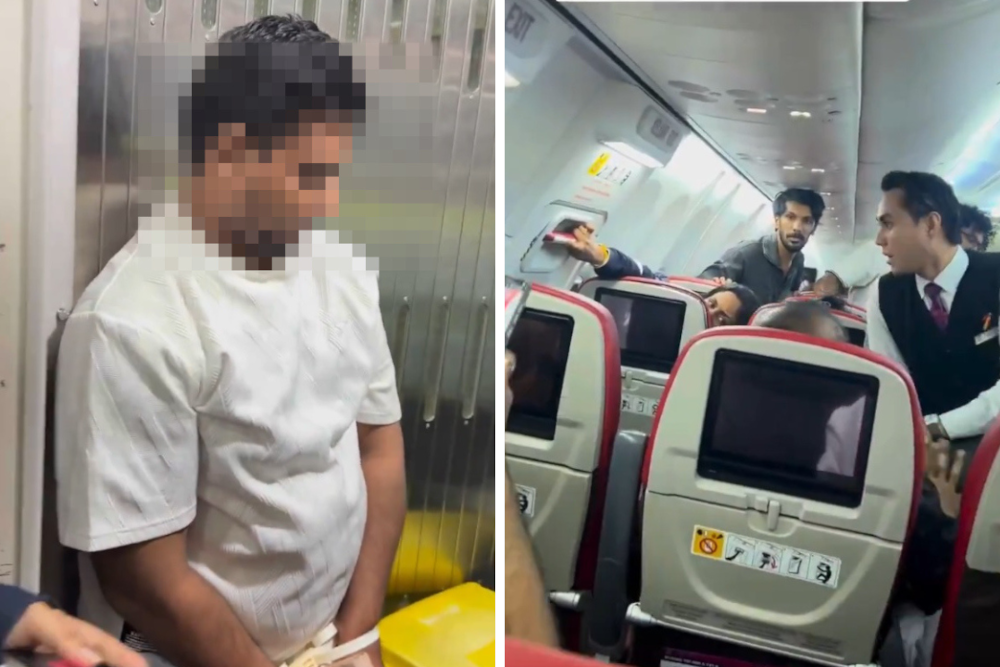
A Batik Air passenger faced arrest following an alarming incident aboard a flight from Malaysia to India when he allegedly attempted to open an emergency exit door mid-flight. The incident occurred while the aircraft was operating at a cruising altitude of 9,144 metres, an action that posed serious risks to all individuals aboard. Malaysian law enforcement responded swiftly to the situation, apprehending the individual once the flight reached its destination.
Such incidents represent a heightened concern for aviation authorities across the region. Emergency exit doors on commercial aircraft are secured through multiple locking mechanisms specifically designed to prevent accidental or deliberate opening while airborne. The structural integrity of pressurised aircraft cabins depends entirely on maintaining this seal at altitude, making any attempt to compromise these safety systems exceptionally dangerous. At cruising altitude, the cabin maintains internal pressure equivalent to approximately 2,400 metres above sea level, creating an extreme pressure differential against the fuselage.
Batik Air, Malaysia's low-cost carrier subsidiary of Malaysia Airlines, operates numerous regional routes connecting major hubs across Southeast Asia, including services to Indian destinations. The airline operates a substantial fleet serving millions of passengers annually, and incidents of this nature, while rare, underscore the importance of comprehensive safety protocols and crew training. Flight crews receive extensive instruction on managing security threats and passenger disturbances, enabling them to respond decisively to preserve aircraft integrity and passenger safety.
The attempt itself raises questions regarding passenger screening procedures at Malaysian airports and pre-flight security measures. While aviation security has strengthened considerably over recent decades, the incident highlights the ongoing challenge of identifying potentially problematic passengers before boarding. Airlines and airport authorities continuously evaluate behavioural indicators and screening methodologies to prevent individuals with concerning intentions from accessing aircraft.
Passenger behaviour disruptions aboard commercial flights have escalated globally over the past several years, with organisations including the International Air Transport Association documenting increasing instances of unruly conduct. These incidents range from relatively minor infractions to genuinely dangerous actions, with the attempted emergency exit operation representing an extreme case. Crew members face mounting pressure to maintain passenger safety whilst managing increasingly complex social dynamics in confined aircraft environments.
The legal implications for the detained passenger remain significant. Attempting to open aircraft doors, particularly emergency exits, constitutes a severe criminal offence under Malaysian aviation law and international conventions governing air safety. Perpetrators typically face substantial penalties including lengthy imprisonment terms, reflecting the gravity of endangering all individuals aboard an aircraft. The legal framework treats such actions with extreme seriousness given the potential for catastrophic consequences.
From a regional aviation perspective, this incident reinforces the necessity of consistent security standards across Southeast Asian carriers and airports. Malaysia has established itself as a relatively stable aviation market with stringent safety records, yet vulnerabilities persist in passenger screening and in-flight security protocols. Indian aviation authorities similarly prioritise safety measures, and incidents occurring on routes connecting these nations demonstrate the mutual interest in maintaining high security standards throughout the region.
Crew training represents another critical dimension of aviation safety. Flight attendants undergo recurrent instruction on recognising aggressive behaviour patterns, de-escalation techniques, and emergency response procedures. The swift apprehension in this instance likely reflected proper crew training and established protocols for managing threats to aircraft safety. Airlines invest substantially in ensuring cabin crew can respond effectively whilst prioritising passenger welfare and minimising disruption to other travellers.
The psychological profile of passengers engaging in such dangerous behaviour remains an area of active study among aviation security specialists. Motivations vary considerably, ranging from mental health crises to intentional acts motivated by ideological factors. Understanding these underlying drivers assists authorities in refining screening procedures and identifying warning signs before passengers reach departure gates. Mental health support services and crisis intervention training increasingly feature in airport and airline protocols.
Technologically, modern aircraft incorporate redundant safety systems making successful emergency door opening virtually impossible during flight, even if a passenger somehow overcomes initial barriers. However, the attempt itself generates panic and diverts crew attention from routine operations, potentially creating secondary safety risks. These considerations explain why aviation authorities treat such attempts as extraordinarily serious criminal matters.
Moving forward, this incident will likely prompt reviews of security procedures across Malaysian airlines and airports handling international flights. Regional aviation bodies coordinate responses to emerging security threats, ensuring that best practices disseminate rapidly across the industry. The incident underscores that maintaining aviation safety requires constant vigilance, comprehensive screening, thorough crew training, and robust legal deterrents against dangerous behaviour.

