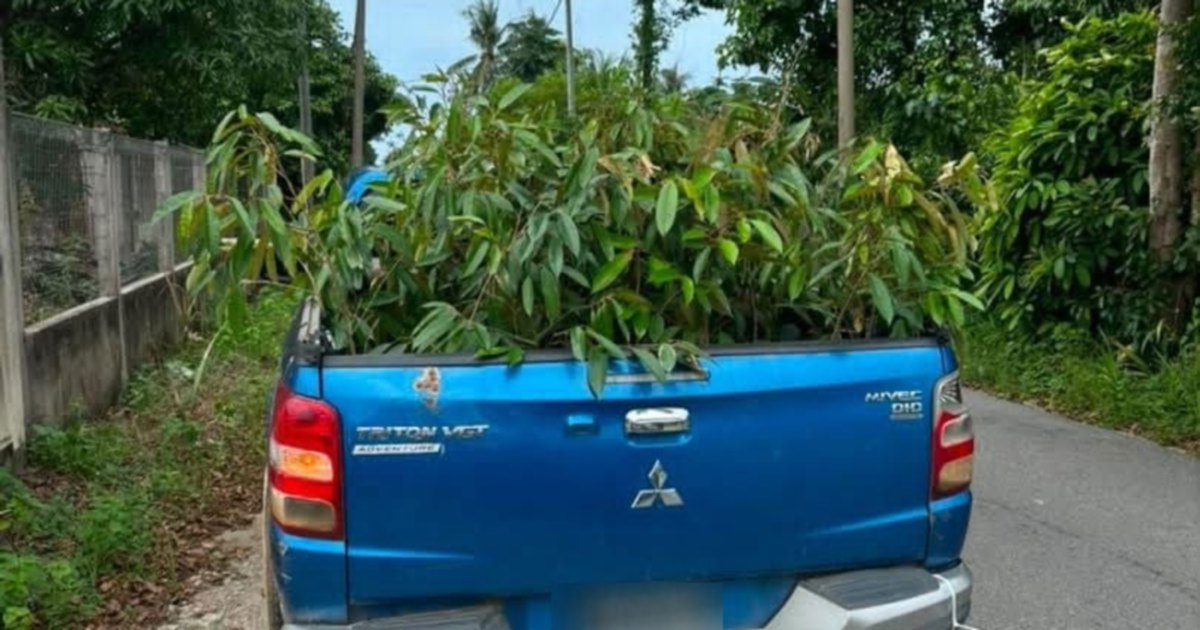
The General Operations Force has made a significant seizure in its ongoing effort to combat agricultural smuggling along Malaysia's northern border, apprehending a 55-year-old man and confiscating 52 durian saplings reportedly brought illegally from Thailand. The operation, conducted in Tumpat, Kelantan, underscores the persistent challenge authorities face in preventing the illegal cross-border movement of high-value plant materials and agricultural products into the country.
The arrest marks another chapter in the ceaseless battle against smuggling networks that exploit Malaysia's porous land borders to circumvent import regulations and phytosanitary requirements. Such illicit activities present multifaceted risks to Malaysia's agricultural sector, potentially introducing undocumented plant diseases and pests that could devastate local farming communities. The durian, a crop that generates significant economic value for Malaysian growers and contributes substantially to the nation's agricultural export portfolio, remains a prime target for such smuggling operations.
Kelantan's location along the Thai border makes it particularly vulnerable to smuggling activities. The state's numerous unofficial crossing points and dense vegetation provide natural corridors for illicit trade. The Tumpat district, situated in the northern reaches of Kelantan, has historically served as a transit point for contraband goods moving between the two nations. This geographical positioning has necessitated enhanced vigilance from law enforcement agencies tasked with protecting national agricultural interests.
The confiscation of plant materials without proper documentation and phytosanitary clearance reflects deeper concerns about biosecurity. Smuggled saplings bypass mandatory health inspections that would identify potential threats from pests, fungi, or viruses that could wreak havoc on Malaysia's agricultural production. A single diseased plant introduced into the supply chain could trigger widespread crop failures, necessitating quarantine measures and causing substantial economic losses to local farmers who depend on durian cultivation for their livelihoods.
Durian smuggling operations typically target Malaysian consumers' insatiable demand for the fruit and its products, as well as entrepreneurs seeking to establish unauthorized plantations. Some smuggling networks aim to establish competing farms using saplings sourced from Thailand, which may carry different genetic traits or disease profiles than domestically certified stock. This unfair competition undermines legitimate agricultural producers who invest substantially in proper procurement and comply with all regulatory requirements.
The General Operations Force's involvement in this seizure highlights the overlap between border security and agricultural protection. These paramilitary personnel have undergone training to identify suspicious agricultural cargo and recognize indicators of smuggling activity. Their expertise has proven instrumental in detecting contraband that might otherwise escape notice at traditional customs checkpoints, particularly when goods are transported through remote areas or concealed within legitimate-appearing shipments.
Thailand remains one of the primary sources for smuggled agricultural products into Malaysia, driven by price differentials and lax enforcement in border regions. Thai durian saplings can be significantly cheaper than certified Malaysian stock, creating economic incentives for smuggling networks and unscrupulous traders seeking quick profits. The price advantage, combined with limited border patrol capacity, creates a persistent vulnerability that smuggling rings continue to exploit.
The detention of the 55-year-old suspect initiates a legal process that will determine the appropriate charges and penalties. Malaysia's agricultural laws stipulate stringent penalties for smuggling plant materials, including substantial fines and potential imprisonment. These consequences aim to deter would-be smugglers and demonstrate government resolve in protecting the nation's farming sector from illegal competition and biosecurity threats.
The operation also reflects heightened awareness among enforcement agencies about agricultural smuggling's economic implications. Beyond the direct loss of revenue from uncollected import duties, smuggling undermines the competitiveness of legitimate domestic producers. Farmers investing in certified saplings, proper cultivation techniques, and phytosanitary compliance cannot compete fairly against smugglers who bypass these costs entirely, creating market distortions that disadvantage law-abiding agricultural entrepreneurs.
This seizure serves as a reminder that Malaysia's agricultural borders require sustained attention and resources. While individual operations succeed in removing contraband from circulation, the underlying patterns suggest systematic smuggling networks continue functioning across multiple border regions. Enhanced coordination between Thai authorities, Malaysian enforcement agencies, and agricultural departments could potentially address root causes of smuggling by improving information sharing and joint operations.
For Malaysian durian producers and exporters, incidents like this underscore the importance of marketing products as certified and legally sourced. As consumer awareness about agricultural origin and legitimacy grows, particularly in export markets, the premium commanded by properly documented durian products may justify investments in stronger border controls and traceability systems. The long-term sustainability of Malaysia's durian industry depends partly on maintaining market confidence in the authenticity and safety of domestically produced stock.
The government's continued prioritization of agricultural smuggling enforcement, demonstrated through operations like this one, reflects understanding that protecting farming communities directly supports rural livelihoods and food security objectives. As Malaysia positions itself as a reliable supplier of premium agricultural products in regional and international markets, eliminating unfair competition from smuggled materials becomes increasingly critical to maintaining agricultural competitiveness and protecting farmer incomes across the nation.

