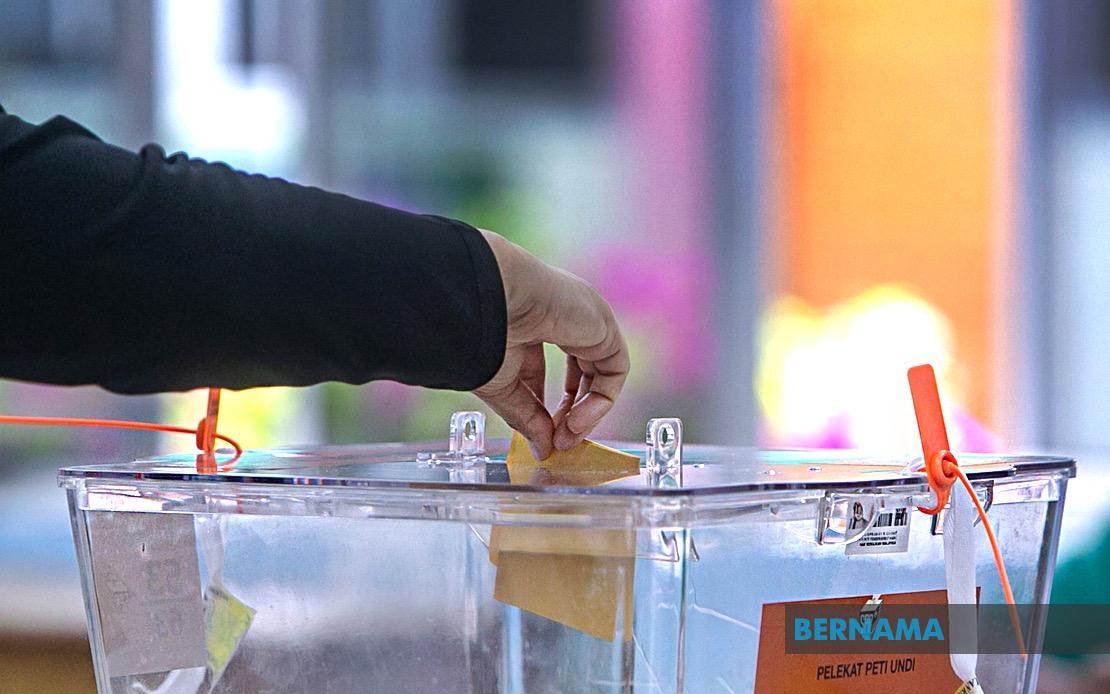
The Ministry of Youth and Sports (KBS) has directed every Youth and Sports Skills Training Institution (ILKBS) across the country to grant special leave to students who wish to exercise their voting rights during general elections, state elections, or by-elections. This policy initiative, issued through the Youth Skills Development Division (BPKB), represents an official commitment to enabling young Malaysians in vocational training programmes to participate actively in the democratic process without sacrificing their educational commitments.
The directive reflects a strategic recognition that electoral participation and skills training represent complementary rather than competing national priorities. By removing the institutional barrier that previously forced students to choose between returning home to vote and attending their scheduled training sessions, KBS has acknowledged that civic engagement among youth—particularly those undertaking vocational qualifications—strengthens both democratic institutions and the nation's human capital development. This approach signals that the government views electoral responsibility as an integral component of responsible citizenship that should be actively facilitated rather than passively discouraged.
The application process for special leave has been structured with practical considerations in mind. Students must submit requests directly to their respective ILKBS management, with decisions based on several concrete factors including the distance between the training institution and the student's designated polling centre, realistic travel time requirements, and the feasibility of coordinating absences with existing training and learning schedules. This framework prevents blanket approvals that might compromise institutional operations while ensuring that genuine hardship cases are not turned away through bureaucratic inflexibility.
Final authority over leave approvals rests with individual ILKBS directors, allowing each institution to tailor decisions to its specific operational context and student cohort composition. This decentralized approach acknowledges that training calendars, intensity of coursework, and practical assessments vary significantly across different skills development programmes. By vesting discretion at the institutional level rather than imposing uniform rules, KBS enables nuanced decision-making that balances student civic rights against legitimate operational requirements.
The ministry has emphasized that early notification of eligible voters represents a critical element of implementation success. By informing students well in advance about their voting entitlements and the special leave option, ILKBS can facilitate orderly planning that benefits both students and institutions. Early communication allows students adequate time to submit applications, arrange transportation to their voting constituencies, and coordinate their travel schedules. Institutions gain the advantage of advance notice, enabling them to adjust training schedules, reschedule critical activities, or arrange alternative supervision arrangements with greater confidence and less disruption.
This policy carries particular significance for Malaysia's younger demographic cohort, many of whom are undertaking skills training at ILKBS facilities while approaching their first opportunities to vote. For students from rural or semi-urban areas attending centralized training facilities in urban centres, the special leave provision eliminates a genuine logistical obstacle to electoral participation. Without this accommodation, returning home to vote would potentially require unauthorized absences that could jeopardize training progression, certification timelines, or student welfare assessments.
The institutional framework also reflects evolving global best practices in promoting youth electoral participation. Many democracies have recognized that removing administrative friction from the voting process—particularly for younger citizens with limited flexibility—strengthens overall electoral turnout and legitimacy. Malaysia's adoption of this principle through the ILKBS system positions the country alongside nations that view youth voting facilitation as an investment in long-term civic engagement rather than a administrative burden.
From a governance perspective, KBS's initiative demonstrates how different government portfolios can coordinate effectively to serve complementary objectives. The Youth and Sports Ministry has identified a constituency within its operational remit—vocational training students—and implemented a targeted solution that acknowledges their dual status as citizens and trainees. This coordination required no major legislative changes or budgetary reallocations, suggesting that similar approaches might be adapted across other training institutions, educational establishments, or youth-oriented programmes operated by other federal and state agencies.
The policy also sends a symbolic message about the government's valuation of youth participation in democratic processes. By actively accommodating student voters rather than treating their participation as an inconvenient exception to institutional routines, KBS communicates that young Malaysians' electoral voices are genuinely welcomed and facilitated. This approach contrasts sharply with systems that place bureaucratic obstacles in the path of youth voters, even unintentionally, and may contribute to higher engagement among this demographic in future electoral cycles.
For Malaysian political analysts, this development illustrates shifting institutional attitudes toward youth mobilization and democratic participation. The recognition that students in vocational training represent an important constituent group worthy of specific policy consideration reflects the broader maturation of Malaysia's approach to inclusive electoral processes. As the nation continues to refine democratic practices and expand institutional responsiveness, accommodations such as the ILKBS special leave provision establish practical templates for removing barriers to participation across other sectors.
Implementation success will depend substantially on how individual ILKBS institutions operationalize the policy in practice. Directors and administrative staff require clear guidance on evaluating applications fairly and consistently, and student awareness campaigns will be essential to ensure that eligible voters understand their entitlements and know how to apply. The coming electoral cycles will provide valuable evidence about whether the policy achieves its intended objective of enabling ILKBS students to vote without administrative penalty.
Looking forward, the ILKBS special leave provision may serve as a foundation for broader examination of how Malaysia's multiple overlapping training, educational, and institutional ecosystems can collectively facilitate rather than inadvertently obstruct youth electoral participation. By demonstrating that accommodation is both feasible and administratively manageable, KBS has created a precedent that other government agencies might consider adopting within their respective domains, ultimately strengthening the nation's democratic infrastructure through expanded youth participation.

