Prime Minister Datuk Seri Anwar Ibrahim's whirlwind diplomatic mission across three Central Asian and Caucasian cities represents a calculated recalibration of Malaysia's external economic strategy. The sequential stops in Tashkent, Kazan, and Ashgabat within a compressed timeframe reveal an administration actively pursuing diversified partnerships beyond traditional regional frameworks. This multifaceted approach addresses several strategic imperatives simultaneously: expanding trade corridors, securing investment opportunities, and positioning Malaysia as a credible interlocutor across geographies often overlooked by major Southeast Asian economies.
The deliberate routing through Uzbekistan, Russia, and Turkmenistan underscores recognition that Central Asia possesses substantial untapped potential for Malaysian business interests. Tashkent serves as the gravitational centre of the region's financial and diplomatic infrastructure, making it a logical entry point for broader engagement. As Uzbekistan pursues modernisation under President Shavkat Mirziyoyev's reform agenda, opportunities have emerged for Malaysian firms in energy, infrastructure, and technology sectors. The historical Silk Road connection carries contemporary relevance: Malaysia can position itself as a bridge between Southeast Asia's dynamism and Central Asia's resource endowments and emerging consumer markets.
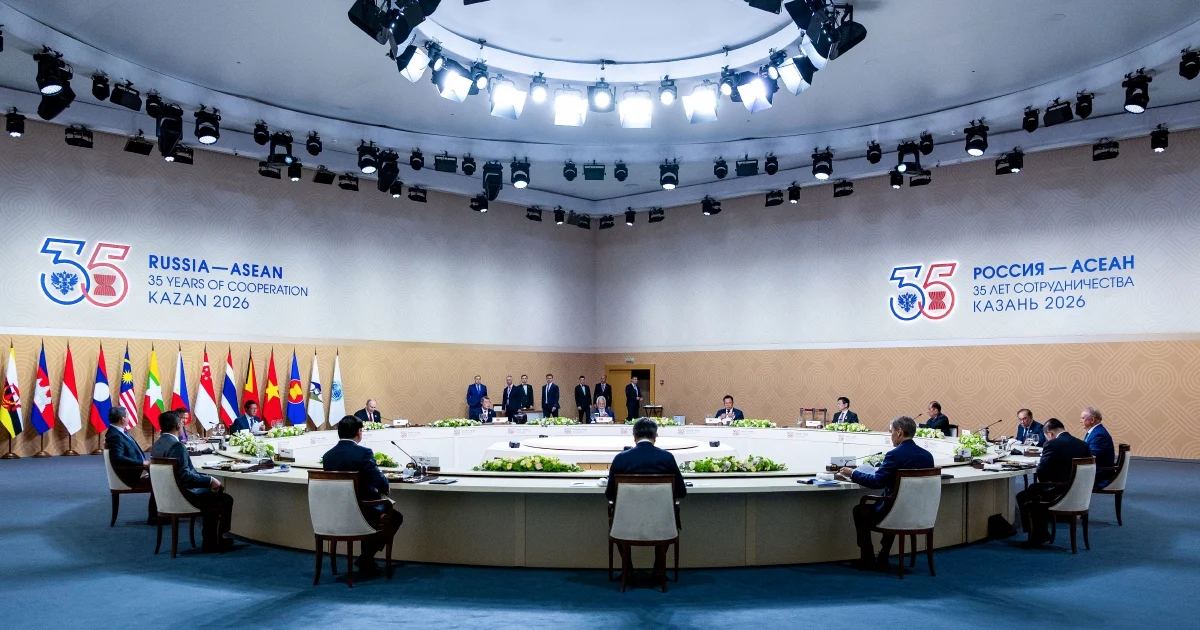
Kazan's inclusion in the itinerary signals particular attention toward Russia's economic reorientations amid geopolitical tensions. As Russia's sixth-largest city and capital of Tatarstan, Kazan functions as a major industrial and financial hub within the Volga region. Malaysian engagement here extends beyond bilateral commercial ties; it reflects strategic awareness that Russia, regardless of international pressures, remains a consequential economic actor with significant purchasing power and technological capabilities. Malaysian companies operating in petrochemicals, palm oil processing, and halal food production could find receptive partners among Russian enterprises seeking alternative supply chains and diversified sourcing.
Ashgabat's position on the agenda underscores Malaysia's recognition of Turkmenistan's pivotal role in Central Asian energy markets. Possessing the world's fifth-largest proven natural gas reserves, Turkmenistan sits at crucial crossroads for energy infrastructure development. Malaysian investments in energy logistics, petrochemical downstream industries, and related services could benefit from Turkmenistan's aspirations to expand export routes and develop new value-added industries. The capital city serves as the administrative and commercial nucleus for such partnerships, making high-level diplomatic engagement essential for establishing institutional frameworks and trust.
This tripartite tour reflects broader strategic thinking about Malaysia's positioning within global supply chains and investment networks. The traditional focus on ASEAN, China, and Western markets remains important, but it increasingly appears insufficient for a nation aspiring to greater economic dynamism. Central Asia's combined population exceeds 70 million, with aggregate GDP approaching $300 billion. Growth rates in several republics consistently outpace global averages, creating expanding demand for imported consumer goods, services, and industrial products where Malaysian enterprises maintain competitive advantages.
The timing carries geopolitical significance. Malaysian neutrality and non-aligned positioning hold particular appeal in Central Asia, where countries navigate complex relationships with Russia, China, and Western powers. Malaysia's historical policy of maintaining independent foreign policy while avoiding alignment in great power competition makes it a trustworthy partner from the perspective of Central Asian governments. This diplomatic dividend—earned through decades of non-alignment—creates openings that more obviously aligned nations struggle to access.
Investment flows represent only one dimension of this engagement. Cultural and educational exchanges can deepen mutual understanding and create people-to-people connections that sustain commercial relationships. Malaysian universities could attract more Central Asian students; Malaysian firms could establish regional headquarters in Tashkent; and joint ventures in manufacturing and logistics could leverage each region's comparative advantages. Ashgabat's development ambitions and Kazan's position as a technological and industrial centre both present venues for Malaysian expertise transfer and knowledge-sharing.
From a Malaysian perspective, such outreach addresses demographic and economic imperatives. With a maturing domestic market and limited land resources, Malaysian companies increasingly require external markets for growth. Central Asia offers relatively untapped opportunities compared to saturated Southeast Asian markets. Smaller Malaysian enterprises, in particular, could benefit from targeted support programs that facilitate market entry into these regions, accessing sectors where Malaysian expertise in agricultural processing, renewable energy, and financial services commands respect.
The economic diplomacy evident in this tour also reflects recognition that regional groupings and connectivity initiatives shape contemporary commerce. Whether through Shanghai Cooperation Organisation frameworks or emerging Eurasian partnerships, Central Asia occupies strategic space within multiple regional architecture discussions. Malaysian participation in these conversations, even from the periphery, helps ensure that Southeast Asian interests receive consideration in discussions about continental connectivity and infrastructure development.
Looking forward, this initiative should be viewed as foundational rather than conclusive. The real test lies in translating diplomatic warmth into sustainable commercial relationships, institutional mechanisms, and mutually beneficial investment flows. Government-to-government visits succeed when they catalyse private sector engagement and create conditions for knowledge exchange. Malaysian business chambers, particularly those focused on specific sectors like energy, agriculture, and technology, should capitalise on the diplomatic groundwork laid by such high-level missions.
Ultimately, Anwar's Central Asian circuit represents Malaysia's maturing recognition that economic opportunity extends beyond traditional geographic horizons. The region's significance continues growing as global supply chains reorient and new corridors develop. By establishing early diplomatic footholds and exploring commercial frameworks now, Malaysia positions itself advantageously for deeper engagement as these markets mature and opportunities multiply across the coming decade.
%22%2F%3E%3C%2Fpattern%3E%3C%2Fdefs%3E%3Crect%20width%3D%22100%25%22%20height%3D%22100%25%22%20fill%3D%22url(%23ph1w57lg)%22%2F%3E%3Crect%20width%3D%22100%25%22%20height%3D%22100%25%22%20fill%3D%22url(%23ph1w57lp)%22%2F%3E%3Ctext%20x%3D%2250%25%22%20y%3D%2250%25%22%20text-anchor%3D%22middle%22%20dominant-baseline%3D%22central%22%20fill%3D%22rgba(255%2C255%2C255%2C0.95)%22%20font-family%3D%22Georgia%2C%20'Times%20New%20Roman'%2C%20serif%22%20font-weight%3D%22700%22%20font-size%3D%22136%22%20letter-spacing%3D%22-0.02em%22%3ETerengganu%3C%2Ftext%3E%3C%2Fsvg%3E)