Malaysia is making substantial headway in its energy transition drive, with renewable energy installations now accounting for nearly 32 per cent of the nation's total capacity as of June. This milestone places the country well within reach of its stated objective to achieve 35 per cent renewable energy capacity by the end of the current decade, according to Deputy Prime Minister Datuk Seri Fadillah Yusof. The progress reflects a deliberate strategy under the National Energy Transition Roadmap, which establishes a structured pathway for transforming Malaysia's energy infrastructure from fossil fuel dependence towards cleaner, sustainable sources.
The trajectory of renewable energy adoption in Malaysia has accelerated considerably, with the nation having already achieved 31 per cent installed capacity by December 2025, meeting earlier government benchmarks. Beyond the 2030 target of 35 per cent, the government has mapped an ambitious longer-term vision of reaching 70 per cent renewable energy penetration by 2050. These sequential milestones represent a comprehensive framework that balances the urgency of climate action against practical economic and operational constraints. For Malaysian policymakers, the achievement demonstrates that the renewable energy sector is not merely aspirational but increasingly embedded within the country's actual energy portfolio.
Fadillah, who also oversees the Energy Transition and Water Transformation portfolio, emphasised that the energy transition is fundamentally a matter of strategic national interest rather than environmental ideology alone. The shift towards renewable sources addresses critical vulnerabilities in Malaysia's energy security, particularly given fluctuations in fossil fuel markets and supply chain dependencies. Simultaneously, the transition is framed as a mechanism to enhance economic resilience by attracting premium international investments that increasingly gravitate towards jurisdictions with credible green credentials. This multifaceted rationale reflects recognition among Malaysian leadership that climate commitments and economic competitiveness are now interdependent rather than competing objectives.
The government has positioned energy transition within a balanced framework that prioritises three complementary pillars: ensuring reliable energy supplies, maintaining cost competitiveness, and achieving environmental sustainability. This tripartite approach is significant for Malaysian consumers and businesses, as it seeks to prevent the common pitfall of green energy transitions becoming economically regressive. By emphasising competitive pricing alongside environmental objectives, policymakers are attempting to build broader social consensus for the energy transition. The accessibility of renewable energy at competitive rates is intended to underpin both industrial competitiveness and household affordability, critical considerations within Malaysia's middle-income economy context.
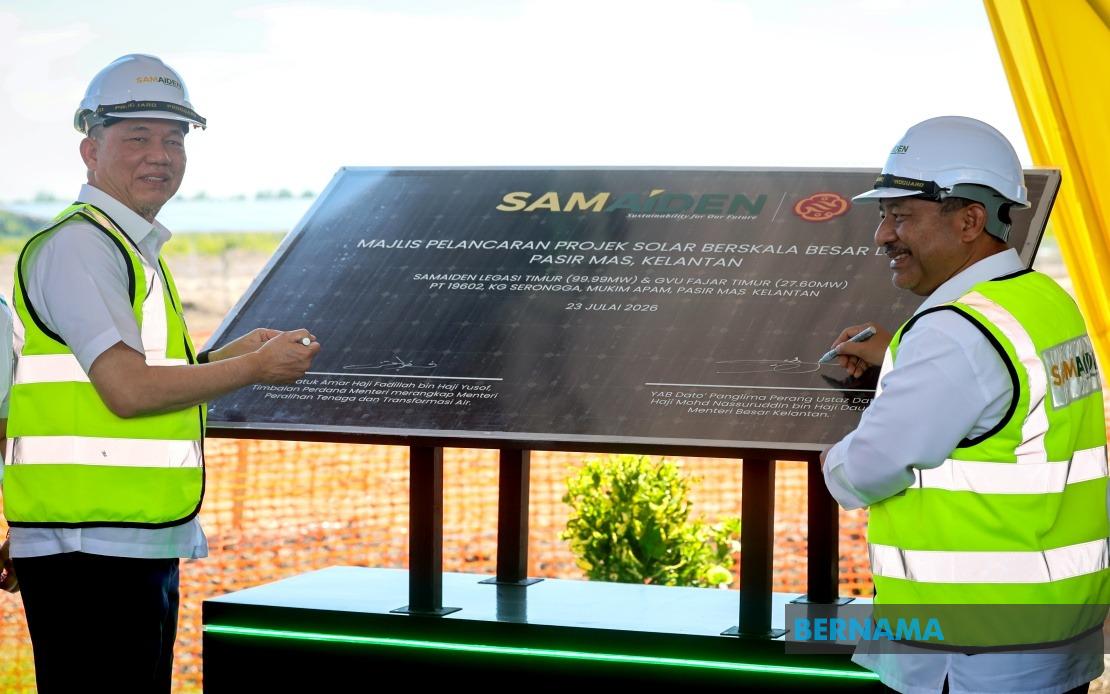
The launch of the Large-Scale Solar Project (LSS5) in Pasir Mas, Kelantan, provides concrete evidence of investor confidence in Malaysia's renewable energy framework. This development exemplifies how government policy signals translate into actual capital deployment and infrastructure development. The project's location in Kelantan is particularly significant, as the state possesses considerable natural endowments suitable for solar development, including extensive tracts of available land and consistent solar irradiance. The project's emergence demonstrates that the renewable energy opportunity is not confined to industrialised zones but can catalyse economic activity across different regions, potentially redistributing investment and employment opportunities geographically.
Beyond energy generation itself, the LSS5 project is expected to generate multiple economic spillover effects within the Kelantan region. Job creation during construction and ongoing operations will provide direct employment, while the influx of specialist equipment and services generates opportunities for local service providers and support industries. Community engagement initiatives associated with the project can strengthen local business ecosystems, particularly among small and medium-sized enterprises that supply goods and services to the development. For a state seeking to diversify its economic base and reduce dependency on traditional sectors, renewable energy projects represent a vehicle for structural economic transformation aligned with global technological trends.
Kelantan Menteri Besar Datuk Mohd Nassuruddin Daud characterised the LSS5 project as a blueprint for renewable energy development within the state and a signal of Kelantan's capacity to attract sophisticated investments. This framing is strategically important, as it positions renewable energy infrastructure as indicative of state competitiveness and progressive governance. The state government's commitment to maintaining a transparent, investor-friendly regulatory environment becomes material to the sector's long-term prospects. For other Malaysian states observing Kelantan's experience, the successful execution of large solar projects may inspire comparable initiatives and create inter-state competition that ultimately accelerates national renewable energy deployment.
The Solar ATAP Programme, promoted through the Energy Transition and Water Transformation ministry, represents an important parallel initiative that extends renewable energy development beyond utility-scale projects. By encouraging residential, institutional, and commercial rooftop solar installations, the programme democratises access to clean energy generation and distributes benefits more widely across society. Mosques and places of worship, as community anchors with significant daytime energy consumption patterns, represent particularly suitable venues for solar deployment. The cultural integration of renewable energy infrastructure within religious and community spaces may facilitate social acceptance and normalise green technology as part of everyday Malaysian life rather than as an external imposition.
The renewable energy transition carries implications for Malaysia's international positioning and climate diplomacy. The country's progress towards its renewable energy targets strengthens its credibility in regional and global climate negotiations, particularly within the Association of Southeast Asian Nations context where energy security and environmental sustainability are increasingly interconnected policy concerns. Malaysia's demonstrated capacity to achieve renewable energy targets without compromising economic growth or energy affordability provides a regional model that contrasts with narratives portraying energy transition as economically destructive. This positioning enhances Malaysia's influence in shaping climate agendas within Southeast Asian forums and reinforces its standing as a responsible steward of its natural resources.
The achievement of 32 per cent renewable energy capacity reflects technological advancement, declining solar equipment costs, and improving grid integration capabilities. Globally, solar panel prices have declined dramatically over the past decade, making utility-scale solar projects economically competitive with conventional thermal generation even before accounting for environmental and health externalities. Malaysia's abundant sunshine resources and improving solar technology availability create particularly favourable conditions for accelerated deployment. The convergence of technological progress, policy support, and economic incentives creates a window of opportunity for achieving renewable energy targets more rapidly than initially anticipated.
Moving forward, maintaining momentum towards the 2030 and 2050 targets will require sustained policy consistency, continued infrastructure investment, and resolution of technical challenges associated with grid stability and energy storage. The integration of variable renewable sources such as solar into Malaysia's electricity system necessitates investments in battery storage, smart grid technology, and demand management systems. These technological requirements present opportunities for Malaysian companies to develop expertise in emerging green technology sectors, potentially creating a new growth vector within the economy. Regional collaboration on renewable energy infrastructure, grid interconnection, and technology sharing could amplify benefits for Malaysia and its neighbouring economies.

