The Malaysian government's flagship Rahmah MADANI Sales Programme has demonstrated substantial growth in its reach and frequency, with the Ministry of Domestic Trade and Cost of Living reporting 15,881 sales events conducted across the country during the first half of 2024. This expansion represents a deliberate shift toward institutionalising periodic discount sales as a permanent fixture in the government's toolkit for managing household expenditure pressures, moving away from the ad-hoc bargain events that characterised previous administrations.
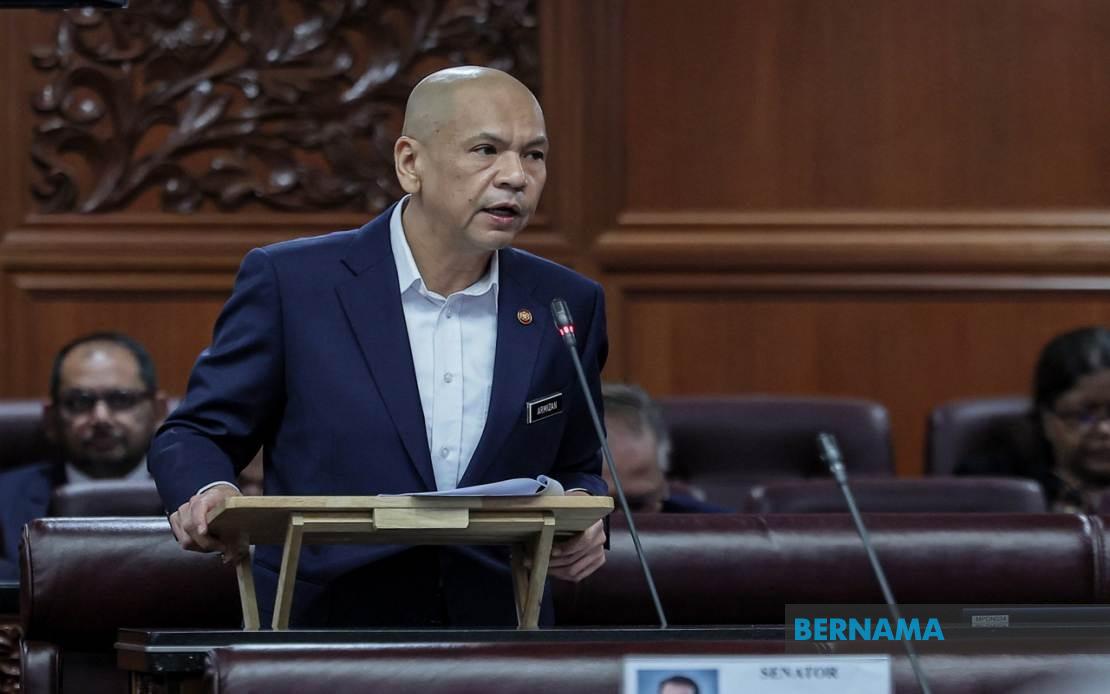
Minister Datuk Armizan Mohd Ali outlined the programme's comprehensive geographic coverage, confirming that all 600 state constituencies have hosted at least one event, alongside complete activation of all 40 Federal Territory zones encompassing Putrajaya, Kuala Lumpur, and Labuan. The achievement of full national coverage underscores the administrative coordination required to execute such a large-scale retail intervention, particularly given Malaysia's diverse urban-rural landscape and varying levels of commercial infrastructure across regions. This nationwide reach signals the government's intent to ensure that cost-of-living relief initiatives extend beyond major urban centres to constituencies that typically attract less commercial attention.
The upward trajectory of the programme's implementation is striking when viewed against historical data. The number of events nearly doubled from 6,870 sessions in 2023 to 12,419 in 2024, and has since escalated further to 25,708 events in 2025. These figures reveal the accelerating pace of rollout and suggest that the government views sustained frequency as essential to maintaining consumer purchasing power during periods of economic uncertainty. The dramatic year-on-year increases indicate genuine institutional commitment rather than a temporary response to immediate crises.
The original target of 23,040 events for 2025 was revised upward to 30,000 following Prime Minister Datuk Seri Anwar Ibrahim's announcement in May. This elevation reflects recognition that external pressures—particularly the energy supply disruptions and commodity price volatility stemming from the West Asia conflict—necessitate more aggressive intervention in household budget management. For Malaysian consumers already contending with inflation in essential goods, the expanded frequency offers more touchpoints for accessing discounted basic necessities.
Armizan identified five structural pillars underpinning the programme's evolution. The foundational shift involved embedding Rahmah MADANI sales into the annual national budget starting 2024 with dedicated activity codes and ringfenced funding, transforming what was once an episodic policy response into a permanent budgetary commitment. This institutionalisation signals that future governments cannot easily abandon the initiative without explicit parliamentary action, providing stability to retailers and predictability to consumers.
The second pillar establishes annual targets and scheduling calendars for every constituency and zone, moving decisively away from the uncoordinated, reactive approach of previous bargain sales. This structured framework enables local administrators and commerce ministry officials to plan implementation with precision, and allows retailers and suppliers to coordinate inventory timing with known event dates. The predictability reduces administrative friction and improves retailers' capacity to source discounted stock efficiently.
Private-sector engagement constitutes the third strategic element, with government securing 2,695 retail partners as of late June. This represents a deliberate public-private collaboration model wherein the government leverages private commercial expertise and supply chains rather than attempting direct retail operations. The number of participating retailers demonstrates substantial buy-in from Malaysia's retail ecosystem, suggesting that merchants view participation as beneficial to their business operations, potentially through increased footfall and brand visibility.
The fourth approach diversifies delivery mechanisms across in-store, open-air, and mobile formats, supplemented by themed events aligned with seasonal patterns, paydays, and back-to-school periods. This multi-modal strategy acknowledges varying consumer shopping preferences and accessibility constraints. Mobile units and open-air markets extend reach to underserved areas, whilst in-store formats leverage existing retail infrastructure. Thematic alignment with natural spending cycles—such as school fees during August—positions the programme as addressing real-time household budget pressures.
The fifth innovation involves introducing a published Rahmah MADANI calendar beginning in 2025, providing consumers advance notice of event dates, times, and locations across all state constituencies and zones. This transparency allows households to budget ahead and plan major purchases strategically. For lower-income Malaysians operating on tight budgeting constraints, advance knowledge of discount windows enables more deliberate consumption decisions. The calendar also imposes accountability on government and retailers to deliver promised events, creating a visible benchmark against which implementation success can be measured.
For Malaysian policymakers and regional observers, the programme's evolution illustrates a broader governance approach to cost-of-living pressures: rather than price controls or subsidies that can distort supply chains, Malaysia is favouring demand-side interventions that reduce consumer expenditure without artificially constraining supply. The emphasis on frequency, geographic universality, and private-sector coordination reflects lessons from earlier iterations of Malaysian retail policy.
The implications for Southeast Asian neighbours are noteworthy. Countries like Thailand, Indonesia, and the Philippines grapple with similar cost-of-living pressures and rising energy prices. Malaysia's structured, scalable approach to periodic discounting offers a replicable model that doesn't require permanent subsidy regimes or extensive price regulation. The emphasis on retail partnership and multiple delivery channels provides a template for other governments seeking to protect purchasing power during uncertain economic periods.
Looking forward, whether the programme achieves its revised 30,000-event target by year-end will signal whether Malaysia views this as a cyclical crisis response or a permanently elevated support mechanism. The budgetary commitment and administrative infrastructure suggest the latter, positioning Rahmah MADANI as a durable feature of Malaysian fiscal policy. The programme's success in maintaining consumer confidence during external shocks may determine its longevity and depth as geopolitical uncertainties persist.

