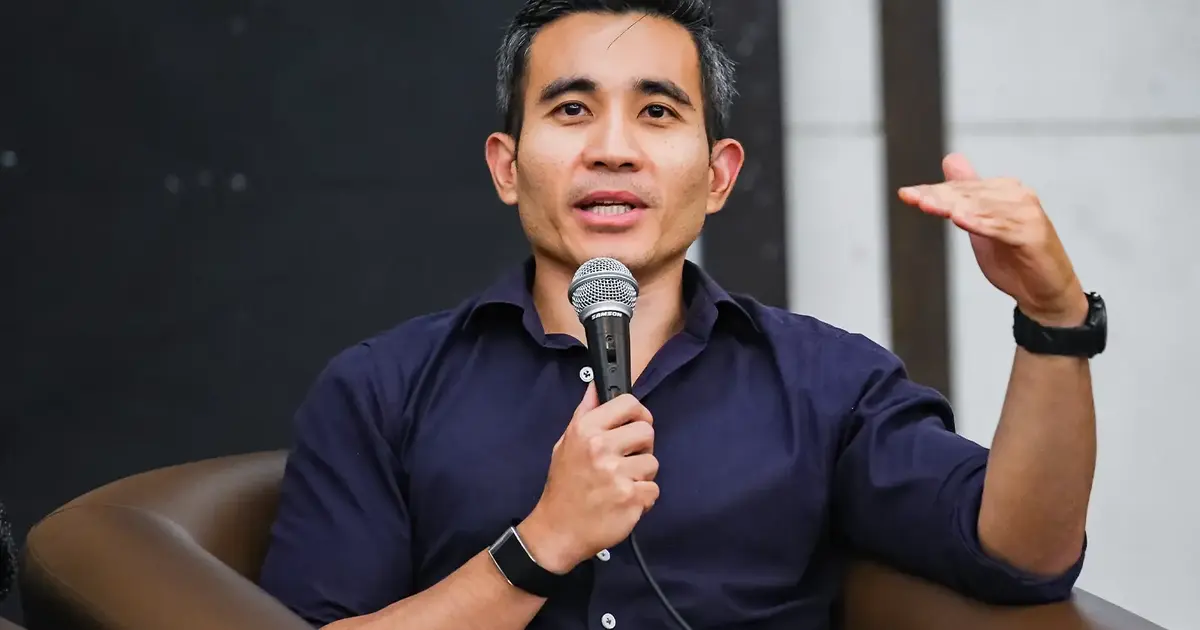
Malaysia's upcoming general election is unlikely to inspire voters with bold visions of systemic change, according to Shahril Hamdan, the former information chief of Umno, who suggests instead that the campaign will revolve around competent but uninspiring governance narratives. The veteran political communicator's assessment reflects growing scepticism about the capacity—or willingness—of Malaysia's major political coalitions to present genuinely transformative platforms when they seek the electorate's mandate at the next nationwide polls.
Shahril's perspective carries particular weight given his long tenure within Umno's communications machinery, affording him insider knowledge of how Malaysia's largest and most historically dominant party constructs its political messaging. His conclusion that no party can credibly promise transformative change strikes at a deeper concern among observers of Malaysian politics: whether the country's political establishment has genuinely exhausted its appetite for substantive reform, or whether divisions within coalitions have made such ambitions politically untenable. The framing of electoral choice as a selection between functional alternatives rather than competing visions suggests voters may face a narrower ideological bandwidth than in previous contests.
The characterisation of GE16 messaging as "uninspiring but functional" implicitly acknowledges the constraints facing Malaysia's political parties. Since the 2022 elections and the formation of the Unity Government coalition between Barisan Nasional and Pakatan Harapan, the country's political landscape has stabilised around a centrist consensus that prioritises governmental continuity over revolutionary change. For opposition parties, mounting a credible challenge requires offering either superior competence in delivering existing policy frameworks or modest improvements to the status quo, rather than wholesale reimagining of Malaysian governance structures.
Umno, despite its electoral setbacks in recent years, remains the gravitational centre of Malaysian politics. The party's position as the dominant partner within Barisan Nasional means its electoral strategy will significantly shape how the broader coalition communicates its case to voters. By extension, Shahril's assessment that even Umno cannot credibly promise transformative change suggests the party has accepted a recalibrated role in national politics—one focused on restoring traditional voter confidence through demonstrated administrative competence rather than ideological innovation. This represents a notable shift from the party's historical positioning as the custodian of Malay-Muslim interests and the architect of Malaysia's post-independence development model.
The opposition coalition, meanwhile, faces its own credibility challenges regarding systemic transformation. Pakatan Harapan's 2018 victory was explicitly framed around anti-corruption reform and institutional renewal, themes that dominated the 2022 campaign as well. Yet the party's decision to govern as a partner within the Unity Government rather than pursue confrontational politics has required tempering some of its more ambitious reformist rhetoric. Opposition parties outside the government, particularly those offering stronger ideological alternatives, lack both the governmental track record and the institutional resources to convince voters they can deliver on sweeping change in the face of entrenched bureaucratic and economic structures.
Regional economic pressures add another layer to this political recalibration. Malaysia faces persistent challenges around inflation, cost of living, foreign investment competitiveness, and fiscal sustainability that demand pragmatic responses rather than ideologically driven solutions. Parties seeking electoral success must demonstrate they understand these constraints and possess concrete plans for managing them, a reality that naturally privileges cautious incrementalism over radical reimagining. Voters increasingly signal they prioritise economic stability and visible improvements to household finances over abstract promises of transformation, a voter preference that both major coalitions have recognised and incorporated into their strategic calculations.
The observation that future electoral narratives will be uninspiring carries implications beyond mere campaign aesthetics. When political choices are framed primarily through competence and functionality rather than vision and direction, voter enthusiasm tends to decline, potentially suppressing turnout and tilting results toward whichever coalition more effectively mobilises its core constituencies. This dynamic could prove particularly consequential in marginal seats where modest swings in voter participation determine electoral outcomes. Additionally, political messaging centred on incremental improvement rather than substantive change may reinforce voter cynicism about whether electoral competition genuinely offers meaningful choice.
For Malaysian civil society and reform advocates, Shahril's candid assessment underscores a fundamental challenge: the political system's apparent inability or unwillingness to engage with calls for deeper institutional transformation even during election campaigns when parties typically make their most expansive promises. Whether this reflects genuine conviction that Malaysia requires stability above all else, or whether it represents elite consensus around the desirability of preserving existing power structures, remains an open question with significant implications for Malaysia's political trajectory in coming years.
The framing of GE16 as a contest between uninspiring alternatives also merits examination within a broader Southeast Asian context. The region has witnessed periodic electoral cycles where voters face narrowing choices as political establishments converge around centrist positions, sometimes by choice and sometimes under pressure from institutional constraints and resource limitations. Malaysia's experience may therefore offer both warning and perspective for other democracies in the region grappling with similar tensions between systemic stability and appetite for fundamental change. As voters prepare for the next general election, Shahril's characterisation serves as a sobering reminder that political choice, while remaining important, may offer fewer transformative pathways than the country's deepening challenges might require.
%22%2F%3E%3C%2Fpattern%3E%3C%2Fdefs%3E%3Crect%20width%3D%22100%25%22%20height%3D%22100%25%22%20fill%3D%22url(%23ph35ytfg)%22%2F%3E%3Crect%20width%3D%22100%25%22%20height%3D%22100%25%22%20fill%3D%22url(%23ph35ytfp)%22%2F%3E%3Ctext%20x%3D%2250%25%22%20y%3D%2250%25%22%20text-anchor%3D%22middle%22%20dominant-baseline%3D%22central%22%20fill%3D%22rgba(255%2C255%2C255%2C0.95)%22%20font-family%3D%22Georgia%2C%20'Times%20New%20Roman'%2C%20serif%22%20font-weight%3D%22700%22%20font-size%3D%22320%22%20letter-spacing%3D%22-0.02em%22%3EMuda%3C%2Ftext%3E%3C%2Fsvg%3E)