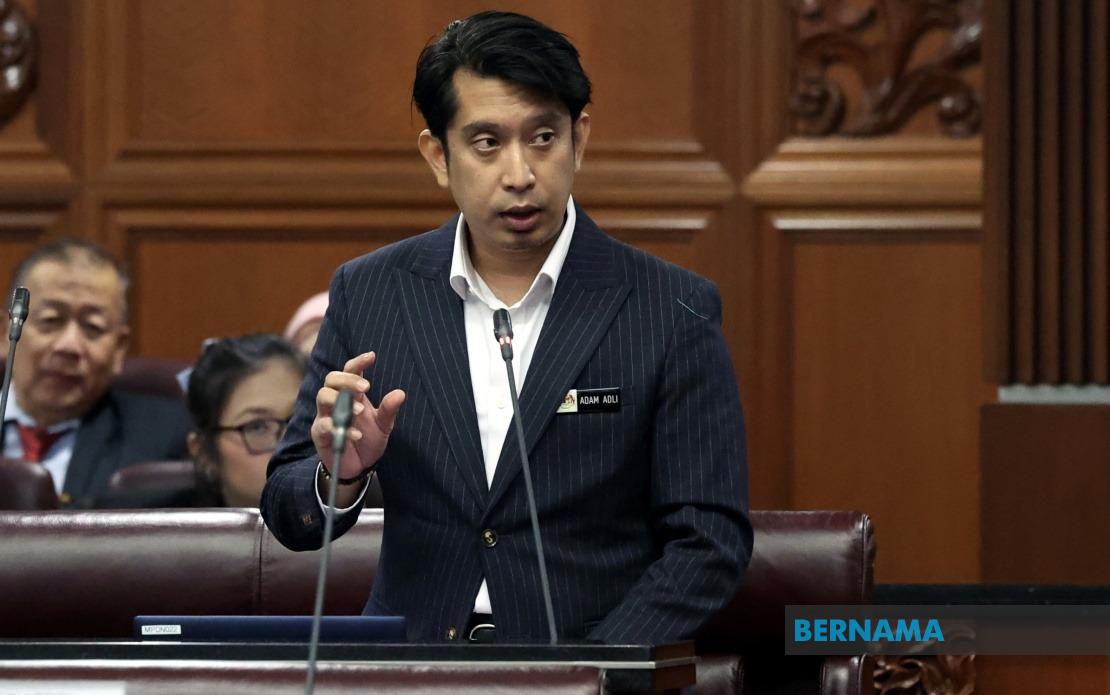
Malaysia's Ministry of Higher Education is progressing with detailed planning for a substantial residential facility in Betong, Sarawak, designed to house roughly 700 vocational and technical education students. Deputy Higher Education Minister Adam Adli Abd Halim revealed the initiative during parliamentary proceedings, signalling the government's commitment to expanding TVET accessibility beyond urban centres and addressing accommodation barriers that often hinder rural participation in tertiary studies.
The proposed hostel would serve learners enrolled at Politeknik Metro Betong Sarawak and Kolej Komuniti Betong, two institutions positioned as catalysts for skills development in the region. By concentrating housing infrastructure near these campuses, the ministry aims to eliminate the accommodation challenges that frequently discourage students in peripheral areas from pursuing technical qualifications. This approach recognises that residential security and convenience substantially influence completion rates and academic performance among rural cohorts.
The project utilises an 8.814-hectare parcel of federally owned land in Batu Api district, situated approximately 650 metres from PMBS's existing campus. The Sarawak Land and Survey Department identified this location as strategically suitable, allowing for seamless integration with current educational facilities. However, converting the land from its present designation requires formal approval through the Prime Minister's Department, which administers the property, and subsequent clearance from relevant planning authorities to modify its permitted use.
Adam Adli emphasised the ministry's determination to expedite the approval process, indicating that securing accommodation represents a foundational priority before pursuing institutional upgrades. This sequencing reflects pragmatic policymaking: establishing student welfare frameworks takes precedence over structural expansion, ensuring that existing enrolments benefit from improved conditions before capacity expansion attracts additional learners. The approach addresses criticism that rural polytechnics sometimes expand faster than supporting infrastructure can sustainably manage.
Politeknik Metro Betong Sarawak currently operates significantly below its 600-student capacity, with just 291 learners distributed across Diploma programmes in Finance and Tourism Management. This underutilisation underscores why accommodation constraints may suppress recruitment rather than reflect disinterest in available courses. The ministry recognises that removing practical barriers—particularly housing costs and unavailability—could substantially boost enrolment among geographically dispersed candidates who currently forgo technical education due to logistical constraints.
Expanding programme diversity represents a parallel strategy to increase institutional attractiveness. Starting December 2026, PMBS will introduce a Diploma in Business Information Systems, diversifying its offering beyond hospitality and finance specialisations. This expansion responds to labour market demands in Sarawak's developing economy, positioning the polytechnic to meet emerging employer requirements in digital and business sectors. Such curricular evolution helps justify infrastructure investment by demonstrating alignment with regional skills shortages.
Beyond formal diplomas, the institution actively delivers short-term vocational workshops through its Lifelong Learning programme, which attracted 1,137 participants in the preceding year through offerings in accounting, tourism, and related fields. This parallel track demonstrates that rural polytechnics increasingly function as comprehensive skills hubs rather than credential factories, serving working adults seeking upskilling alongside full-time students. The accommodation facility would benefit this broadened constituency, enabling weekend and evening learners to access residential options during intensive training blocks.
While awaiting governmental land-use approvals and subsequent hostel construction, PMBS has proactively established a Student Residential and Accommodation Management Committee. This interim governance structure monitors private rental arrangements near campus, addressing welfare concerns and safety vulnerabilities that accompany ad-hoc housing solutions. By coordinating informal accommodation, the committee ensures students currently residing in unregulated premises receive institutional oversight, reducing exploitation risks and enhancing pastoral support until on-campus housing materialises.
The initiative reflects broader Malaysian policy recognition that regional educational equity depends on dismantling infrastructure barriers. Sarawak's geography—characterised by dispersed populations and limited urban centres—makes hostel provision essential rather than supplementary. Without on-campus accommodation, rural polytechnics inevitably attract only students whose families reside within commuting distance, artificially limiting talent pools and perpetuating geographical disparities in skills development. The Betong hostel therefore represents targeted intervention addressing systemic inequity.
Parlimentarian Datuk Dr Richard Rapu, representing Betong, previously advocated for comprehensive polytechnic status for PMBS, arguing this would enhance institutional prestige and resource allocation. While the ministry deferred full polytechnic conversion pending foundational improvements, the hostel initiative demonstrates responsiveness to rural constituency concerns. Staged institutional development—addressing accommodation, expanding programmes, then consolidating status—may ultimately prove more sustainable than accelerated hierarchical upgrades unsupported by adequate infrastructure.
For Malaysia's TVET sector broadly, the Betong hostel signals shifting emphasis toward rural accessibility and student welfare considerations beyond coursework quality. As Peninsula polytechnics achieve maturity, policy attention increasingly focuses on Sabah and Sarawak campuses, where geographical challenges and smaller cohort sizes previously justified lower development priorities. This rebalancing acknowledges that inclusive technical education—extending quality provision across all regions—requires targeted infrastructure investment tailored to specific demographic and geographical contexts rather than standardised national approaches.

