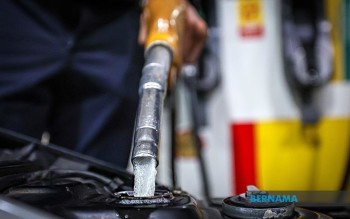
The Malaysian government is bracing for substantial fuel subsidy outlays in the coming months, with projections showing that keeping RON95 petrol and diesel affordable for citizens could cost approximately RM3.5 billion monthly if international crude oil prices hold steady near US$90 per barrel. Deputy Finance Minister Liew Chin Tong disclosed these figures during parliamentary proceedings, providing lawmakers with a clearer picture of how volatile global energy markets could strain the nation's public finances.
The subsidy burden would be split roughly evenly between the two fuel types, with RON95 petrol subsidies estimated at around RM2 billion monthly and diesel support hovering near RM1.5 billion, according to government calculations. These figures underscore the government's continued commitment to shielding Malaysians from the full impact of international oil price fluctuations, a policy that has long been central to domestic economic management and social stability. The cost to taxpayers illustrates the delicate balancing act officials must perform between maintaining affordability and managing fiscal constraints.
Despite the elevated subsidy requirements, Liew sought to reassure parliament that Malaysia's overall fiscal position remains solid. The government has not adjusted its fiscal projections downward in response to recent oil price increases, suggesting confidence in the nation's ability to absorb these costs without jeopardizing broader budgetary targets. This optimistic assessment reflects the dual nature of Malaysia's relationship with crude oil: while higher prices increase subsidy bills, they simultaneously boost government revenues from petroleum exports and related activities.
The offsetting revenue benefit represents a crucial mechanism for managing fuel subsidy pressure. Officials noted that every US$1 increase in the barrel price translates into approximately RM300 million in additional government income, a substantial cushion that helps mitigate the impact of higher subsidy expenditures. This revenue generation capability provides policymakers with greater flexibility in maintaining subsidy levels without requiring harsh fiscal consolidation measures elsewhere in the budget. For Malaysian consumers, this dynamic means that the government has some financial breathing room to keep fuel prices stable even as global markets remain turbulent.
However, the government has signalled that fuel subsidy policy will not remain frozen indefinitely. When Prime Minister Datuk Seri Anwar Ibrahim presents the 2027 Budget in October, updated fiscal projections will be unveiled that reflect prevailing economic conditions at that time. This announcement suggests that policy adjustments could be on the horizon if oil prices deviate significantly from current assumptions or if other fiscal pressures mount. The government appears to be taking a measured, data-driven approach rather than committing to fixed subsidy levels regardless of circumstances.
The parliamentary exchange also revealed flexibility in how the government manages targeted subsidy schemes for specific regions and demographic groups. Regarding proposals to expand the BUDI Diesel quota for Sabah and Sarawak, Liew indicated openness to reviewing applications from sectors facing genuine hardship. This nuanced stance reflects recognition that a one-size-fits-all subsidy approach may not adequately serve all communities, particularly in East Malaysia where transportation costs and geographical factors create unique pressures on businesses and households.
The government has already demonstrated willingness to grant expanded fuel allocations to particular groups through streamlined application processes. Pickup truck owners, for instance, have received an additional 100-litre quota through simplified procedures, acknowledging the role such vehicles play in rural commerce and agriculture. This targeted approach allows the government to direct limited subsidy resources toward those most dependent on affordable fuel while maintaining overall fiscal discipline. Future applications for similar consideration will apparently be evaluated on a case-by-case basis rather than through blanket policy changes.
The backdrop to these subsidy discussions is Malaysia's broader economic management strategy, which has emphasized maintaining purchasing power for lower and middle-income households while gradually transitioning toward more market-oriented energy pricing. This balancing act becomes increasingly challenging as global oil markets experience periods of sustained high prices, forcing the government to make difficult choices between protecting consumers and preserving fiscal sustainability. The RM3.5 billion monthly figure underscores just how expensive subsidy-based price support has become in the modern energy market.
For regional observers, Malaysia's approach to fuel subsidies offers insights into how middle-income countries manage the tension between social welfare objectives and fiscal reality. Unlike some neighbours that have moved toward faster subsidy rationalization, Malaysia has opted for a more gradual approach, maintaining price controls while selectively expanding them for specific groups. This strategy has succeeded in keeping fuel costs low for consumers while generating less social disruption than might result from sudden price liberalization, though it requires steady streams of government revenue and technical competence in managing complex subsidy schemes.
Looking forward, the sustainability of Malaysia's fuel subsidy framework will depend on several interrelated factors: the trajectory of international crude prices, the government's success in generating petroleum-related revenues, broader fiscal discipline in other areas of government spending, and the pace at which energy transition policies reduce long-term dependence on fossil fuel subsidies. The October budget presentation will provide an important opportunity for policymakers to recalibrate their approach based on updated assumptions about these variables. In the meantime, the RM3.5 billion monthly estimate serves as a concrete reminder of the substantial public resources devoted to this politically sensitive policy area.

