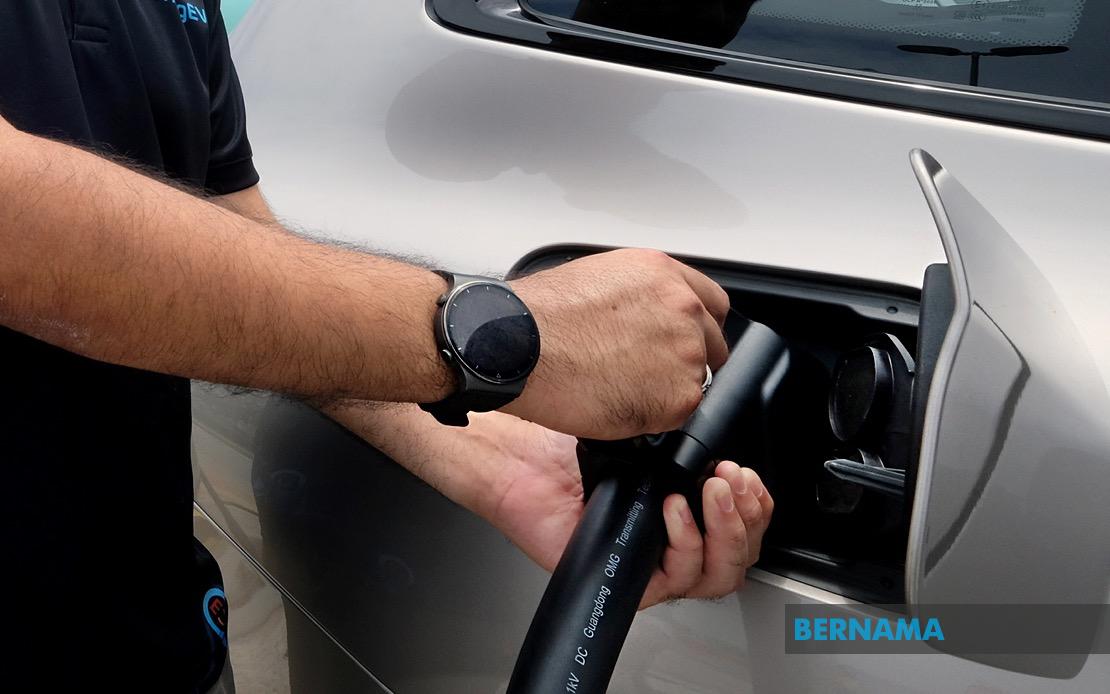
Malaysia's electric vehicle charging infrastructure has reached a significant milestone, with 6,416 public chargers now operational across the country as of May 31, 2026, according to the Ministry of Investment, Trade and Industry. The government revealed this progress in response to parliamentary questioning about the nation's strategy to expand EV adoption and build a sustainable low-carbon transportation ecosystem. The figure demonstrates the country's commitment to addressing one of the primary barriers to widespread EV uptake—the availability of accessible charging facilities that can support growing numbers of battery-powered vehicles on Malaysian roads.
The installed base comprises two distinct technologies serving different charging needs. Fast-charging direct current stations number 2,143 units, designed to replenish vehicle batteries rapidly at key locations such as highways and urban centres. Complementing this network are 4,273 alternating current chargers, which typically require longer charging periods but serve residential areas, commercial premises, and destinations where vehicles remain parked for extended periods. This dual-tier infrastructure reflects a deliberate strategy to accommodate both long-distance travel and daily commuting patterns that characterise modern Malaysian mobility habits.
Understanding the persistent gaps in charging availability that have hindered consumer confidence in EV ownership, the government has undertaken a comprehensive review of obstacles and implemented targeted solutions to accelerate network expansion. A key initiative involves streamlining the approval process through the EV Charging Bay Planning Guidelines administered by PLANMalaysia. Previously, regulatory clearance for new charging installations could stretch across multiple months, creating bottlenecks for operators. The reformed process has condensed this timeline to as little as 14 working days, substantially reducing barriers to deployment and enabling faster scaling of infrastructure across urban and suburban areas.
The government's approach extends beyond regulatory reform to encompass collaborative engagement across multiple stakeholders essential to the EV ecosystem. Local authorities work alongside the Energy Commission to ensure charging facilities align with urban planning objectives and energy distribution capacity. Tenaga Nasional Bhd, as the nation's primary electricity utility, ensures grid readiness and efficient power distribution to support the expanding network. Private charging point operators and industry bodies including the EV Charging Industry Association and Malaysia Zero Emission Vehicle Association contribute operational expertise and coordinate sector-wide standards. This whole-of-government framework recognises that charging infrastructure success requires coordinated effort spanning regulatory, utility, municipal, and commercial domains.
Beyond infrastructure deployment, Malaysia's EV strategy encompasses building a competitive domestic manufacturing base that can capture value in the rapidly expanding global electric vehicle market. The government is fostering strategic partnerships between local companies, international original equipment manufacturers, and global technology leaders to facilitate technology transfer and knowledge acquisition. These collaborations aim to establish domestic capabilities in producing advanced EV components that currently command high costs when imported. Particular emphasis falls on developing battery manufacturing, electric drive motor production, and Advanced Driver Assistance Systems—technologies that represent significant portions of EV value and remain concentrated in foreign suppliers.
The National EV Project, led by Perodua as part of the broader New Industrial Master Plan 2030, exemplifies this localisation strategy. The initiative has mobilised 62 Malaysian supplier companies in the development and production chain, creating opportunities for established vendors to pivot toward electric vehicle components. More than 300 Malaysian automotive engineers and technical specialists have been engaged in designing and developing the national EV, building indigenous expertise in electric propulsion systems and vehicle integration. This concentration of domestic talent and manufacturing capacity represents significant infrastructure investment in Malaysia's automotive sector transformation.
Paralleling Perodua's efforts, the Proton EV project similarly targets integration of 40 local companies throughout its supply chain. By distributing component production across multiple domestic suppliers, both initiatives enhance the resilience of Malaysia's automotive ecosystem while creating distributed employment and capability development across the country. These projects serve dual purposes: accelerating Malaysia's transition toward zero-emission vehicle production and positioning local companies within global electric vehicle supply networks that are increasingly decoupling from fossil fuel-dependent industrial structures.
The emphasis on technology transfer within these domestic initiatives addresses a critical challenge facing automotive suppliers in developing economies. Participation in EV component manufacturing requires mastery of advanced manufacturing processes, materials science, and electronic integration—domains where significant knowledge gaps exist. Through structured collaboration with multinational technology providers, Malaysian suppliers gain access to technical expertise, quality standards, and process methodologies that typically require years of independent development. This accelerated capability building enables local vendors to compete internationally and secure contracts within global automotive supply chains.
Malaysia's integrated approach to EV adoption reflects recognition that vehicle electrification requires simultaneous progress across multiple fronts. Expanding charging infrastructure removes practical barriers to ownership. Developing domestic manufacturing capabilities improves economic competitiveness and employment. Strategic technology partnerships build human capital and technical knowledge. Regulatory streamlining reduces bureaucratic friction. Together, these initiatives create conditions where EV adoption becomes increasingly attractive to Malaysian consumers while establishing the industrial foundations for long-term competitiveness in a global automotive market undergoing fundamental technological transition. As Southeast Asian nations compete to position themselves as EV manufacturing hubs, Malaysia's comprehensive strategy demonstrates that successful electrification requires far more than simply installing chargers—it demands sustained coordination across industry, government, and international partnerships.

