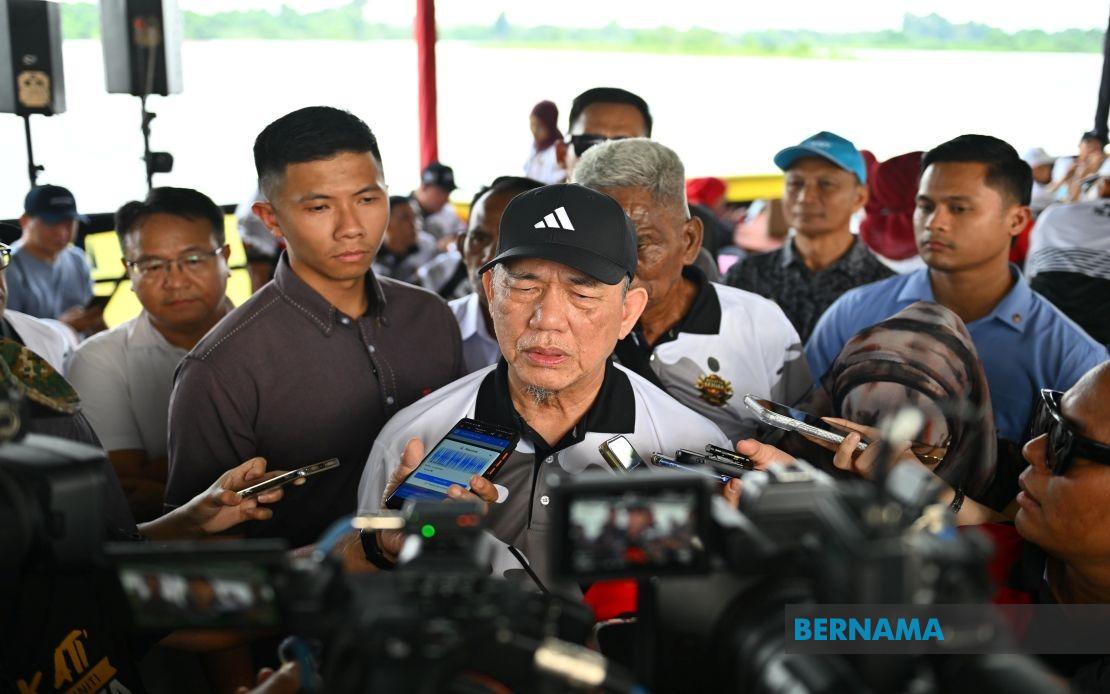
Deputy Prime Minister Datuk Seri Fadillah Yusof has reassured the public that Malaysia faces no immediate disruptions to its energy sector, even as regional tensions escalate around the strategically vital Strait of Hormuz. The statement, made in Kuching during the closing ceremony of Regatta 2026 at the main jetty in Kampung Sejijak, underscores the government's confidence in maintaining sufficient fuel supplies through the coming months, despite escalating geopolitical risks in one of the world's most critical energy chokepoints.
The government's assurance rests on sustained diplomatic engagement and proactive measures undertaken at multiple levels. Petronas, Malaysia's national oil and gas company, has been working in close coordination with Prime Minister Datuk Seri Anwar Ibrahim to secure long-term supply arrangements and navigate international negotiations that ensure the country's energy security remains intact. These efforts reflect an understanding that Malaysia, as an energy-dependent nation reliant on imports to meet growing domestic demand, cannot afford complacency when global energy corridors face disruption risks.
The Strait of Hormuz remains one of the world's most critical maritime chokepoints, through which roughly one-fifth of global oil supplies pass annually. Any escalation affecting transit through these waters could theoretically disrupt energy markets worldwide, with profound implications for Southeast Asian economies. Malaysia's position as a regional energy hub and trading nation means that sustained access to reliable energy supplies is essential not only for domestic consumption but also for maintaining the competitiveness of energy-intensive industries and supporting the broader economic growth agenda.
However, Fadillah, who also serves as Energy Transition and Water Transformation Minister, acknowledged that supply stability alone does not insulate Malaysia from economic pressures stemming from global energy market dynamics. While the country's immediate fuel situation remains manageable, the underlying challenge lies in the volatility of international oil and gas pricing, which remains beyond the government's direct control yet substantially impacts the national budget and consumer welfare.
The minister emphasised that pricing pressures represent a persistent headwind for economic planning. Global oil and gas prices fluctuate based on supply-demand dynamics, geopolitical developments, and speculative trading, meaning that even countries with secured supply contracts face exposure to cost inflation. For Malaysia, this reality complicates fiscal management, particularly when the government simultaneously aims to maintain subsidy and assistance programmes that shield ordinary citizens from the full impact of international price movements.
This dual challenge—ensuring supply security while managing affordability—sits at the heart of Malaysia's energy policy dilemma. The government must balance the imperative of protecting consumer welfare through continued subsidies with the need to maintain fiscal sustainability and avoid unsustainable budget deficits. In recent years, fuel subsidies have represented a significant budgetary burden, limiting resources available for other developmental priorities such as infrastructure, education, and healthcare.
The Hormuz situation illustrates how external shocks can cascade through supply chains and financial systems. A sustained disruption to energy supplies through the strait would inevitably force Malaysia, alongside other regional economies, to seek alternative sources at potentially elevated costs. This risk underscores the importance of diversifying energy sourcing, investing in renewable alternatives, and building strategic reserves—all medium to long-term measures that complement the diplomatic efforts currently underway to maintain stability in traditional energy markets.
Fadillah's remarks also reflect a broader Southeast Asian concern about the intersection of geopolitical instability and economic resilience. Countries across the region, including Thailand, Indonesia, and Vietnam, share Malaysia's vulnerability to energy supply disruptions and pricing shocks emanating from the Middle East. Coordinated regional responses to energy security challenges remain underdeveloped, suggesting room for enhanced cooperation among Association of Southeast Asian Nations (ASEAN) members in buffer-building and crisis management.
The government's emphasis on continuous monitoring and multi-level negotiations signals recognition that energy security demands vigilant diplomacy rather than passive acceptance of geopolitical developments. By actively engaging in discussions with key players in global energy markets and maintaining lines of communication with producing nations, Malaysia seeks to secure preferential access and advance notice of any supply disruptions, providing time for contingency measures.
Looking forward, the sustainability of Malaysia's energy position depends not only on managing current tensions but also on implementing longer-term structural reforms. The government's energy transition agenda, which encompasses renewable energy expansion and efficiency improvements, represents a strategic effort to gradually reduce dependence on imported fossil fuels. However, such transitions require sustained investment and policy consistency, and their benefits materialise over years rather than months.
The distinction Fadillah drew between supply assurance and price stability is crucial for public understanding of Malaysia's energy outlook. Citizens and businesses can expect continued fuel availability, but should prepare for potential price adjustments reflecting global market conditions. This reality demands that the government pursue complementary economic policies—investment in productivity improvements, cost controls across supply chains, and targeted support for vulnerable populations—to mitigate the broader impacts of energy cost inflation on household budgets and industrial competitiveness.

