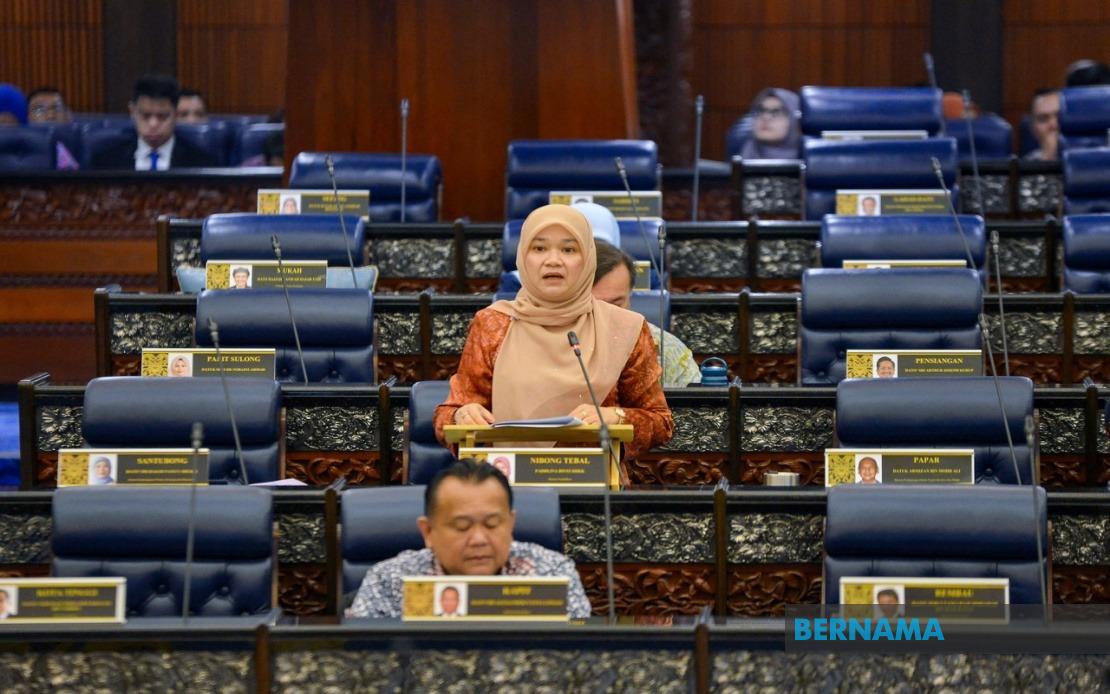
The Malaysian Ministry of Education is significantly fortifying its approach to student safety through a multifaceted strategy that addresses physical security, emotional wellbeing, and institutional accountability. Education Minister Fadhlina Sidek announced during parliamentary questioning that the ministry recognises each safety incident requires individualised assessment, reflecting the complexity of school environments where multiple factors—beyond infrastructure concerns—influence student protection.
The foundation of this enhanced framework rests on two recently introduced policy documents. The Safe School Management Guidelines and School Student Protection Policy, both launched on June 11, now provide standardised protocols that educational institutions nationwide must follow when strengthening students' physical, social and emotional safety. These guidelines represent a shift toward comprehensive safeguarding rather than isolated reactive measures, establishing clear expectations for all schools regardless of their administrative structure or location.
Central to the ministry's structural response is the creation of a special cross-agency committee designed to ensure coordinated oversight of school safety. This collaborative arrangement brings together representatives from various government bodies and civil organisations, ensuring that safety concerns are addressed holistically rather than in departmental silos. Such coordination proves particularly valuable in Malaysian schools, where challenges often span multiple jurisdictions and require input from health, security, building, and welfare specialists.
The ministry has secured substantial technical support from the National Institute of Occupational Safety and Health, which now provides expert guidance on building standards, drainage systems, and fire safety protocols. This partnership ensures that school infrastructure assessments meet rigorous occupational health benchmarks. Complementing this expertise, the ministry is delivering specialised training to school-level safety coordinators, strengthening the capacity of individual institutions to implement safety measures effectively and respond appropriately to emerging risks.
CCTV expansion represents a tangible security investment. The ministry plans to install surveillance systems in 333 schools during the current year, a significant increase from the 200 schools equipped in 2025. While such infrastructure enhancement must be balanced with privacy considerations, the expansion reflects recognition that monitoring capabilities can deter harmful behaviour and provide evidentiary support when incidents occur. For Malaysian parents increasingly concerned about their children's vulnerability, this visible security enhancement addresses legitimate concerns about campus safety.
A lesser-publicised but operationally significant measure involves the appointment of 300 hostel wardens commencing April 1. These additional supervisory personnel will enhance night-time monitoring of students residing in school accommodation, addressing a critical vulnerability period when fewer staff members typically oversee student activities. This deployment particularly benefits boarding schools, which serve substantial numbers of rural and out-of-state students across Malaysia's diverse geography.
Bullying prevention has received renewed legislative attention, with the Anti-Bullying Act 2026 coming into effect on June 16. The ministry is currently updating its bullying handling guidelines to align with this new statutory framework, ensuring that school procedures reflect current legal obligations and prescribed remedies. This synchronisation between education policy and legislation strengthens institutional accountability and provides clearer pathways for reporting and intervention when peer harassment occurs.
The ministry's response framework operates across five strategic pillars: prevention, monitoring, reporting, intervention and enforcement. Prevention efforts aim to build inclusive school cultures that discourage harmful peer behaviour and promote respect. Monitoring systems track incidents and identify emerging patterns. Robust reporting mechanisms encourage early disclosure of problems by students and staff. Intervention protocols connect affected students with support services including certified counselling. Enforcement mechanisms ensure that substantive violations receive appropriate consequences.
Parent involvement has been intentionally elevated within the safety architecture. The ministry is strengthening the role of Parent-Teacher Associations and the broader Parent, Community and Private Sector Involvement initiative, recognising that parents possess crucial insights into student wellbeing and can reinforce safety messages within families. Comprehensive case assessments now incorporate parental input alongside professional counsellor support and relevant agency perspectives, tailoring responses to individual student needs rather than applying standardised solutions.
The ministry's multi-agency approach reflects understanding that school safety extends beyond institutional boundaries. Coordination with health authorities, law enforcement, and social welfare agencies ensures that complex cases receive appropriate specialist intervention. For Malaysian schools managing diverse student populations with varying vulnerabilities, this collaborative framework proves essential for identifying at-risk individuals and providing timely support.
These initiatives collectively represent a strategic shift toward proactive, evidence-based school safety management. Rather than responding to high-profile incidents with reactive measures, the ministry is implementing systematic auditing, capability-building, and institutional coordination designed to prevent problems before they escalate. For Malaysian parents and educators, this comprehensive framework signals commitment to creating genuinely safe school environments where students can focus on learning without fear of harassment or harm.

