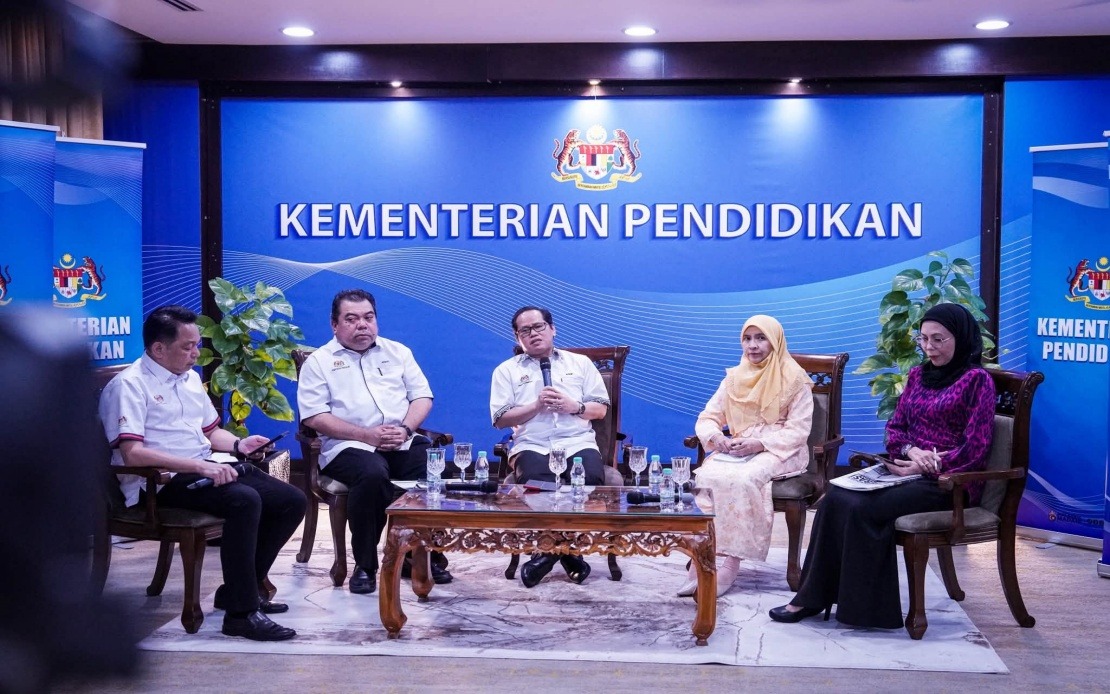
Malaysia's education sector has entered a critical phase requiring urgent, systematic interventions to protect student welfare across the nation's sprawling school system. The Ministry of Education has responded by rolling out a comprehensive Student Protection Policy designed to create standardised safety protocols and strengthen protective mechanisms in all 10,258 schools nationwide, marking a significant shift in how the education system approaches student safeguarding in an increasingly complex social environment.
The urgency behind this policy initiative became evident through comments from Education Director-General Datuk Mohd Azam Ahmad, who revealed the extent of safety incidents within Malaysia's schools. While schools often project an image of calm, orderly learning environments to the outside world, the ministry's internal systems paint a far more challenging picture. Daily incident reports flow into the MOE's offices detailing student injuries and emergencies, with some days seeing double-digit fatalities. This alarming frequency prompted education leadership to acknowledge that ad-hoc, school-by-school approaches to student protection have become inadequate for managing the scale and complexity of modern safety challenges.
The evolving nature of threats to student safety reflects broader societal transformations that have fundamentally altered the childhood experience in Malaysia. Today's students navigate a digital landscape that exposes them to influences and risks at developmental stages far earlier than previous generations experienced. The intersection of online exposure, social pressures, and traditional school-based challenges has created a multifaceted vulnerability profile that requires equally sophisticated institutional responses. Datuk Azam acknowledged that the teaching profession can no longer confine itself to transmitting academic content; educators now function as holistic mentors responsible for fostering students' character development, emotional resilience, and psychological wellbeing alongside cognitive advancement.
This expanded role for teachers underscores why the Student Protection Policy represents more than administrative bureaucracy. The framework, formally introduced through a circular dated July 1 this year, establishes clear expectations and professional guidelines enabling teachers to navigate complex situations confidently. By providing structured protocols, the policy effectively transforms student protection from an individual teacher's instinctive response into an institutionalised, professionalised practice. This standardisation becomes essential when scaling protective measures across thousands of schools serving millions of students with varying levels of administrative sophistication and resources.
The policy encompasses several interconnected reform areas that collectively address modern educational challenges. Mental health support mechanisms form a foundational pillar, recognising that psychological wellbeing directly impacts student safety and academic performance. Reproductive and social health education represents another critical component, equipping students with knowledge to make informed decisions during vulnerable developmental years. The framework also prioritises prevention of child sexual violence and substance abuse through dedicated protocols and awareness initiatives. Additionally, the policy incorporates provisions addressing teacher welfare, acknowledging that educators' own wellbeing directly influences their capacity to safeguard students effectively. Student voice mechanisms ensure young people themselves contribute to shaping safety measures, embedding youth perspectives into institutional decision-making.
Implementation of this policy requires buy-in from all stakeholders within and connected to school ecosystems. The MOE has mandated that school personnel and external parties interacting with educational institutions—including contractors, vendors, volunteers, and visiting professionals—formally sign a Letter of Compliance with the Student Protection Policy. This universal commitment mechanism establishes shared accountability and creates a cultural shift toward collective responsibility for student safety. By requiring explicit, documented agreement to protective standards, the ministry signals that student protection constitutes non-negotiable institutional values rather than optional best practices.
The policy dialogue featuring senior MOE officials, including Daily School Management Division director Hanafi Abdul Samad and Educational Policy Planning and Research Division director Datin Rosliza Rosli, alongside external experts such as the Children's Commissioner of the Human Rights Commission of Malaysia (SUHAKAM) Dr Farah Nini Dusuki, demonstrates the collaborative approach shaping Malaysian education policy. This multi-stakeholder engagement signals recognition that student protection requires expertise spanning education administration, psychological services, child rights advocacy, and human rights frameworks. For Malaysian readers, this inclusive approach offers reassurance that policies grounded in evidence and diverse professional perspectives are more likely to translate into meaningful school-level improvements.
The timing of this initiative carries particular significance for Southeast Asia's education landscape. As regional economies digitise rapidly and societies grapple with urbanisation, migration, and changing family structures, student vulnerability patterns evolve accordingly. Malaysia's proactive policy response positions the nation among regional leaders acknowledging that contemporary student protection demands contemporary solutions. Schools cannot rely on decades-old safety frameworks when the threat environment has fundamentally transformed. By establishing comprehensive, interconnected protocols addressing mental health, sexual violence prevention, substance abuse, and teacher welfare simultaneously, Malaysia's MOE demonstrates sophisticated understanding that student safety constitutes an ecosystem challenge requiring systems-level responses.
Implementation effectiveness will ultimately determine whether this policy framework translates into tangible improvements in student safety outcomes. Standardised protocols mean little without adequate teacher training, resource allocation, and accountability mechanisms ensuring compliance across diverse school settings. Rural schools, underfunded institutions, and those serving disadvantaged communities may face particular implementation challenges. The MOE must therefore complement policy announcements with concrete support systems, including professional development programmes, funding allocations, and monitoring mechanisms ensuring no school becomes isolated from protective resources based on geographic location or socioeconomic context.
For Malaysian parents and students, the Student Protection Policy represents both a recognition of escalating challenges within education environments and an institutional commitment to addressing these challenges systematically. The acknowledgment that serious incidents occur with concerning frequency, while potentially unsettling, demonstrates leadership honesty that typically precedes genuine reform. Schools operating under clear protective protocols, with trained staff, explicit mental health support, and documented safety procedures, generally provide safer environments than those relying on informal, ad-hoc approaches. Whether implemented successfully across Malaysia's geographically diverse, economically varied school system remains the critical question determining whether this policy becomes transformative or merely symbolic.

