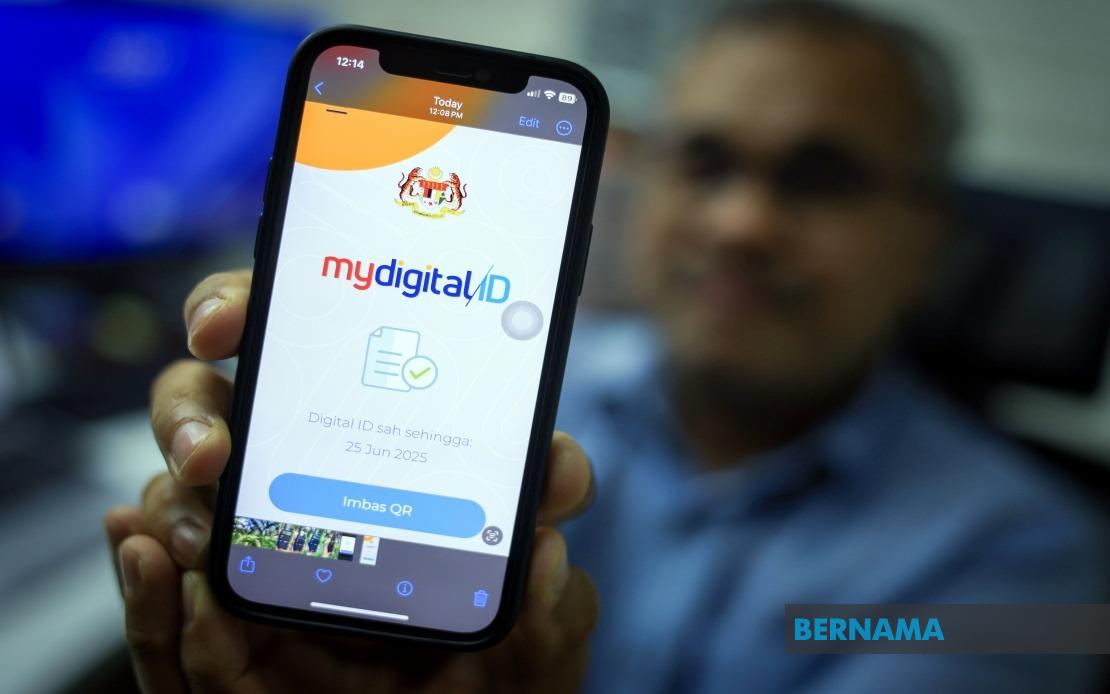
Malaysia's digital identity programme has entered a new phase of consolidation, with Deputy Prime Minister Datuk Seri Dr Ahmad Zahid Hamidi announcing that 12 million Malaysians had registered for MyDigital ID by June 30. The uptake reflects a maturing ecosystem where digital identification has shifted from a novel initiative to an increasingly embedded mechanism within everyday government interactions. The figures underscore the government's commitment to building a unified digital infrastructure that simplifies citizen access to public services across the federation.
The transaction volume surrounding MyDigital ID further demonstrates the platform's growing operational significance. In the period measured, the system processed 16 million interactions encompassing new registrations, identity renewals, and service cancellations. This high throughput suggests that MyDigital ID is transitioning beyond aspirational policy into practical utility, with citizens actively managing their digital credentials and making deliberate choices about their engagement with the platform.
The government's strategy for expanding MyDigital ID adoption centres on its deployment as a unified login mechanism for online government services. Rather than requiring citizens to maintain separate usernames and passwords for different agencies, the single sign-on approach streamlines access and reduces friction in service delivery. This architectural approach mirrors international best practices, where governments have recognised that reducing authentication barriers increases citizen uptake of digital government services and improves the efficiency of service provision.
Formalising this integration pathway, the Chief Secretary to the Government issued a binding directive on January 14, 2025, mandating adoption across the entire public administration. The directive's scope is comprehensive, extending across federal ministries, central departments, statutory bodies, state governments, and local authorities. This whole-of-government approach eliminates fragmentation and establishes MyDigital ID as the standard framework for digital authentication in Malaysian public administration, moving beyond a voluntary initiative to mandatory infrastructure.
Progress on service integration has been substantial. As of June 25, 2026, the government had successfully integrated 114 online government services with MyDigital ID. The portfolio includes high-traffic platforms such as MyJPJ for vehicle registration matters, MyPTPTN for tertiary education loan administration, the SPA9 civil service recruitment system, and the Royal Malaysia Police's MyBayar payment platform. These integrations span diverse governance functions, from citizen mobility to education financing to law enforcement, indicating that MyDigital ID is becoming genuinely interoperable across the full spectrum of government activity.
Complementing the federal integration strategy, the National Digital Department's MyGOV Malaysia platform now serves as a central access point powered by MyDigital ID authentication. This layered architecture allows citizens to discover and navigate multiple government services through a single authenticated interface, effectively creating a government service marketplace rather than requiring citizens to know and navigate to individual agency websites. For users, this represents a fundamental shift in how they interact with government, moving from agency-centric navigation to citizen-centric discovery.
State-level governments have similarly embraced MyDigital ID, though with varying degrees of maturity. To date, 19 state online applications have been successfully integrated, demonstrating that subnational adoption is occurring across the federation. However, the existence of 28 additional applications under development signals that state-level integration remains incomplete, with substantial work ongoing to align state digital infrastructure with the federal MyDigital ID framework. This two-tier development pace reflects the practical challenges of coordinating technological change across multiple subnational jurisdictions with different technical capacities and legacy systems.
For Malaysian citizens, the expanding MyDigital ID ecosystem offers genuine convenience benefits. Rather than memorising multiple passwords or managing authentication across numerous government portals, users require only a single digital identity. This simplification particularly benefits elderly citizens, those with limited digital literacy, and individuals managing multiple administrative interactions, as the cognitive and operational burden of government engagement diminishes. Organisations providing government services benefit equally, as standardised authentication reduces development costs and improves security through centralised identity management.
The programme's significance extends beyond operational efficiency into strategic positioning. As Southeast Asian governments compete to lead regional digital transformation, Malaysia's advancement of a federated, interoperable digital identity framework establishes the country as a serious contender in the innovation landscape. The scale of adoption—12 million registrations—demonstrates citizen acceptance of digital government services, a prerequisite for broader digital economy participation. Countries with mature digital identity infrastructure typically experience accelerated adoption of other digital government services and digital private sector activity.
However, achieving universal adoption remains aspirational rather than actual. With Malaysia's population exceeding 34 million, current registration represents approximately 35 percent penetration. The remaining two-thirds of the population presents both a challenge and an opportunity. Expanding coverage requires targeted outreach to demographic groups with lower digital engagement, improved accessibility for persons with disabilities, and sustained investment in awareness campaigns. Each percentage point increase in adoption magnifies the network effects that make digital government services more valuable to end users.
The integration of MyDigital ID with government payment systems, particularly the police's MyBayar platform, demonstrates how digital identity frameworks enable broader financial digitisation. As citizens increasingly conduct government transactions electronically, they build confidence and capability in digital commerce more broadly. This phenomenon, where digital government services catalyse private sector digital adoption, has been observed internationally and represents a secondary benefit of comprehensive digital identity systems beyond direct government efficiency gains.
Looking forward, the challenge for policymakers involves sustaining momentum while addressing practical barriers to universal adoption. Technical infrastructure must remain robust as transaction volumes increase. User experience requires continuous refinement based on feedback from diverse population cohorts. Cybersecurity becomes increasingly critical as the platform's criticality to government operations grows, demanding substantial ongoing investment in threat detection and system resilience. Additionally, public trust in data security and privacy protections must be actively cultivated through transparent governance and demonstrable protection of citizen information.
Malaysia's MyDigital ID programme represents a substantial investment in digital public infrastructure that, if successfully universalised, will establish the technical foundation for broader digital transformation across government and economy. The current trajectory—moving from 12 million registrations toward saturation across the population—reflects genuine progress. However, the next phase requires deepening adoption among harder-to-reach populations while maintaining service quality and security standards that justify citizen reliance on the platform for critical government interactions.

