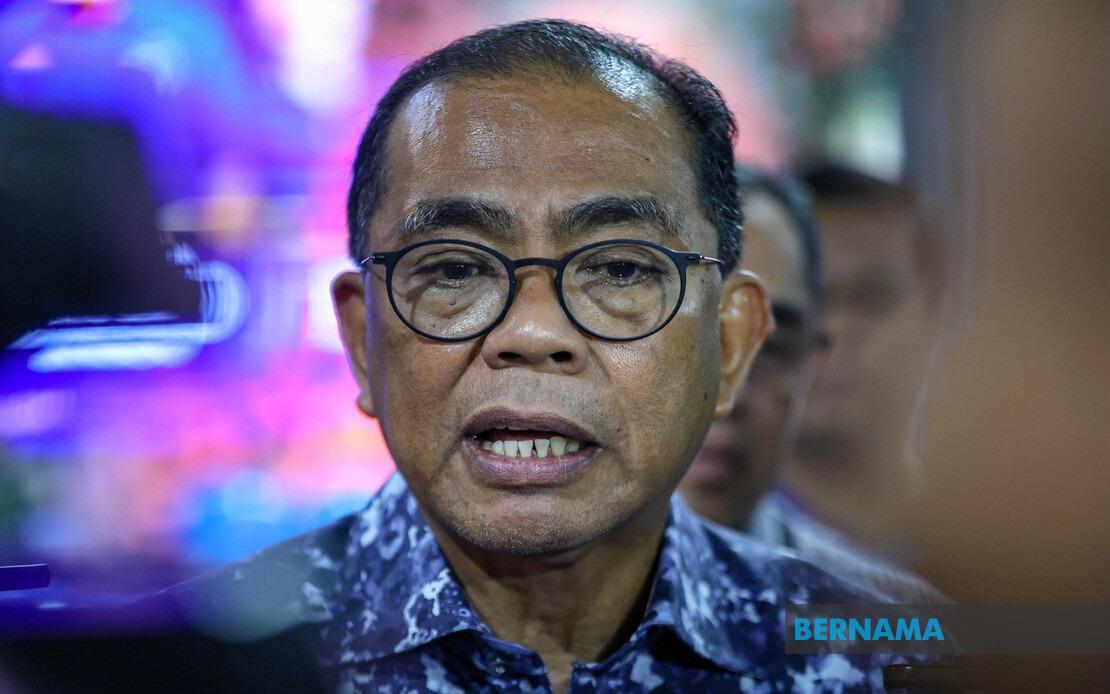
The Malaysian Ministry of Defence is making strategic moves to overhaul how the armed forces manage personnel development, signalling an acknowledgment that current structures may be constraining military effectiveness in an era of rapid technological change. Speaking at a Barisan Nasional thanksgiving ceremony in Pasir Gudang, Defence Minister Datuk Seri Mohamed Khaled Nordin outlined three interconnected reform initiatives aimed at reshaping career pathways, organisational hierarchy, and compensation frameworks within the Malaysian Armed Forces.
At the heart of these proposed changes lies a fundamental tension within military bureaucracy: qualified officers with strong performance records cannot progress through the ranks because promotion vacancies remain limited within existing structures. This bottleneck threatens to frustrate capable personnel and potentially drive experienced talent toward civilian opportunities. By adjusting staffing architecture, MINDEF seeks to create more promotion positions that better reflect both the complexity of modern military operations and the genuine competency demonstrated by serving officers. The ministry views this structural realignment as essential for maintaining organisational vitality and ensuring that responsibility levels align meaningfully with the ranks personnel hold.
The reform agenda directly connects to Malaysia's broader defence modernisation trajectory, particularly following the 2022 Defence White Paper which articulated a vision for enhanced military capabilities. As the armed forces acquire advanced weapons systems, communications technology, and surveillance infrastructure, the human dimension of military effectiveness becomes increasingly critical. Officers require extended professional training—some programmes lasting up to two years—to master sophisticated defence platforms and strategic doctrines. Yet the current remuneration framework does not adequately account for these extraordinary training demands or the specialist nature of military careers. MINDEF's submission to the Public Service Department in March of the previous year sought to establish special allowances reflecting the unique professional obligations that distinguish military service from conventional civil employment.
Mohamed Khaled emphasised that any acceleration of promotion mechanisms would remain anchored to meritocratic principles rather than becoming formulaic advancement systems. Promotions, under the proposed framework, would continue evaluating performance, competency, integrity, and organisational requirements through rigorous assessment processes. This commitment to merit-based evaluation likely reflects defence establishment concerns about maintaining professional standards and public confidence in military leadership. Simultaneous reforms to career structures and compensation must occur swiftly, the minister indicated, to ensure the modernisation of defence assets does not outpace the organisation's human resource adaptation.
These institutional efforts by MINDEF align with recent high-level government policy shifts. Prime Minister Datuk Seri Anwar Ibrahim announced yesterday that the cabinet has agreed in principle to streamline and expedite promotion processes for both armed forces and police personnel, bringing these security services into greater parity with promotion arrangements applicable to other public sector workers. This decision signals recognition at the highest governmental levels that outdated career progression mechanisms may hinder national security by limiting institutional capacity to retain and motivate elite personnel. The Prime Minister indicated that detailed implementation mechanisms for the accelerated promotion system would be unveiled during the Ambang Merdeka celebrations scheduled for August 30 at Stadium Merdeka in Kuala Lumpur.
The financial dimension of these reforms received complementary attention, with the government pledging increased defence allocations under Budget 2027. Enhanced funding for MINDEF serves dual purposes: enabling acquisition and maintenance of modernised military capabilities while simultaneously demonstrating commitment to improving personnel welfare and remuneration. This integrated approach—combining structural reform, career pathway improvement, and financial investment—reflects sophisticated understanding that military effectiveness depends on technological sophistication and human capital retention working in concert.
From a Southeast Asian strategic perspective, Malaysia's personnel management reforms carry implications extending beyond individual service satisfaction. Regional security environments increasingly demand forces capable of operating advanced maritime surveillance systems, cyber defence capabilities, and integrated command structures. Nations competing for experienced military talent risk operational degradation if career structures fail to retain qualified personnel. Malaysia's attempts to modernise its talent management systems should be understood as part of broader regional military professionalisation trends, where countries like Singapore and Thailand have long prioritised retention mechanisms that reward merit and specialisation.
The timing of these reforms also reflects Malaysia's engagement with emerging defence challenges. Persistent concerns regarding maritime security in the Strait of Malacca, cyber threats, and regional geopolitical tensions require armed forces capable of complex operations and sustained technological engagement. Officers frustrated by stalled promotion prospects despite demonstrated capability represent organisational waste from a national security standpoint. Conversely, streamlined advancement pathways that reward genuine excellence could enhance strategic planning capacity and operational effectiveness across military units.
Implementation challenges will likely test MINDEF's reform commitment. The Public Service Department must navigate complex questions about appropriate rank distributions, comparative remuneration adjustments across military branches, and mechanisms ensuring merit-based selection remains intellectually rigorous while promotion processes accelerate. Resistance from entrenched bureaucratic interests or budgetary constraints could dilute reform ambitions. Yet the multiple levels of government now publicly committed to these changes—from MINDEF submissions to prime ministerial announcements—suggest genuine policy momentum rather than ephemeral rhetoric.
The broader organisational implication of MINDEF's initiatives concerns military institutional evolution. Militaries that successfully modernise personnel systems alongside technological upgrades tend toward greater operational effectiveness and strategic adaptability. Malaysia's simultaneous pursuit of defence asset modernisation and career structure reform suggests institutional leadership recognising that contemporary military challenges demand both sophisticated equipment and motivated, professionally developed personnel. Whether implementation delivers on these strategic intentions will substantially influence Malaysian defence capabilities throughout the coming decade.

