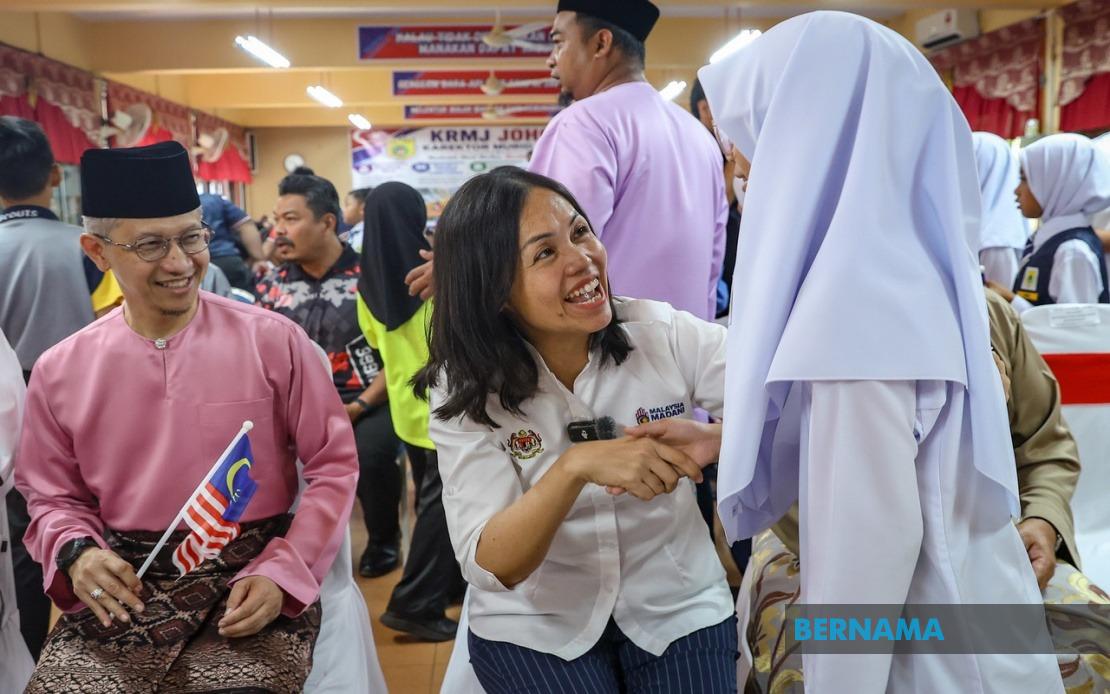
The Communications Ministry is positioning the development of Malaysia's film sector as a key priority within its Budget 2027 proposals, according to Deputy Minister Teo Nie Ching. Speaking in Kulai on August 14, Teo indicated that enhancing support mechanisms for the domestic film industry represents one of the ministry's central strategic objectives for the coming fiscal year, though specific details remain under wraps pending formal consultations with the Finance Ministry.
Teo explained that a formal budget negotiation session with the Ministry of Finance has been scheduled for the following week, at which point the Communications Ministry will present its detailed financial requirements. Until that official meeting takes place, the ministry is maintaining a cautious approach regarding public announcements about proposed allocations and policy initiatives. This measured stance reflects the collaborative nature of Malaysia's budget-making process, where individual agencies must align their spending priorities with broader government fiscal constraints and national economic objectives.
Prior to these formal discussions, preliminary talks have already occurred between the Communications Ministry and Finance Ministry officials. During these informal conversations, the Communications Ministry has advocated for expanded financial support directed toward the film industry. Teo was careful to distinguish between these exploratory dialogues and the formal budget submission process, suggesting that while the ministry has tabled the film industry support agenda, concrete numbers and implementation timelines have not yet been finalized. This sequential approach allows the ministry to refine its proposals before committing to specific requests.
The focus on the film industry aligns with Malaysia's broader economic strategy to nurture the creative and cultural sectors. Teo emphasized that the ministry's underlying goal extends beyond simply allocating funds—rather, the intention is to develop comprehensive policy frameworks that will strengthen the entire film ecosystem. By creating an enabling environment through strategic policies, the ministry hopes to facilitate industry growth that translates into measurable contributions to Malaysia's Gross Domestic Product. This perspective reflects an understanding that creative industries, often classified within the "orange economy" framework that encompasses cultural and creative sectors, possess significant potential for economic diversification and job creation.
When pressed about the specific quantum of budget allocation the ministry would seek, Teo deflected by noting that such determinations ultimately depend on the government's overall financial capacity and competing budget demands across all sectors. This response underscores the reality that even well-intentioned policy initiatives must navigate the constraints of public finances. Malaysia, like other regional economies, must balance support for emerging sectors like film production against established priorities such as infrastructure, healthcare, and education. The budget allocation process thus becomes a negotiation between ambition and fiscal prudence.
The ministry's strategic emphasis on policy development over purely financial stimulus reflects a nuanced understanding of industry dynamics. Rather than assuming that money alone drives sector growth, the Communications Ministry recognizes that effective regulatory frameworks, tax incentives, talent development programs, and infrastructure investment collectively determine an industry's competitiveness. Malaysian film producers have long advocated for clearer guidelines, streamlined permitting processes, and international co-production incentives that could help the country compete with more established film hubs in the region.
Teo's announcement arrives at a moment when Southeast Asia's creative industries are experiencing significant transformation. Thai, Indonesian, and Filipino film productions have gained international prominence in recent years, while Malaysia's film sector, despite possessing considerable talent and resources, has struggled to achieve comparable regional visibility. Strategic government support through budgetary allocation and policy reform could address structural barriers that currently limit Malaysian productions' scale and international reach. The Communications Ministry's focus on this sector suggests recognition that creative industries represent an underutilized economic lever.
The timing of these discussions also reflects broader government interest in economic diversification. As Malaysia transitions away from traditional resource-dependent sectors, creative and cultural industries offer pathways to high-value economic activity with relatively lower environmental impact. Films, television productions, and related creative services generate employment across multiple skill levels and can anchor tourism and international cultural exchange initiatives. Supporting the film industry thus carries implications beyond entertainment, touching on economic resilience and soft power projection.
During the same Kulai visit where she made these budget announcements, Teo also conducted inspections of infrastructure projects and distributed assistance to vulnerable households, including food baskets to twenty B40 (bottom forty percent income earners) families. This multifaceted approach to her ministerial responsibilities—simultaneously advocating for creative sector development while attending to immediate social welfare concerns—illustrates the breadth of the Communications Ministry's mandate. The temple inspection related to allocations under the Non-Muslim Houses of Worship program, which had received RM248,560 in 2025 following a 2024 application, further demonstrates how ministry resources extend across cultural and religious infrastructure.
The concrete steps taken regarding the Sri Maha Mariamman Temple project, where construction work is progressing following confirmed funding, stand in contrast to the still-provisional status of film industry support proposals. This distinction highlights the different stages of the policy and budget cycle—some initiatives have cleared approval hurdles and entered implementation, while others remain in the advocacy and negotiation phase. Securing formal approval and budget allocation for film industry initiatives will require the ministry to make a compelling case to the Finance Ministry about economic returns and strategic national interest.
Looking forward, the Communications Ministry faces the challenge of articulating how film industry support serves multiple government objectives simultaneously. Beyond generating economic activity and employment, a thriving film sector can enhance Malaysia's international profile, support skills development in creative fields, and provide cultural platforms that reflect Malaysian society's diversity. These broader justifications may prove crucial in securing adequate budget allocation when the formal discussions with the Finance Ministry commence.
The ministry's commitment to developing comprehensive policies rather than ad-hoc spending initiatives suggests a serious, long-term approach to film industry development. Teo's emphasis on sustainability and GDP contribution indicates that proposed measures will likely focus on structural improvements—establishing production hubs, offering tax incentives, facilitating international partnerships, and investing in technical training—rather than temporary subsidies. Such an approach, if supported by adequate funding in Budget 2027, could position Malaysia's film sector for sustained growth and increased competitiveness within Asia's rapidly evolving creative landscape.

