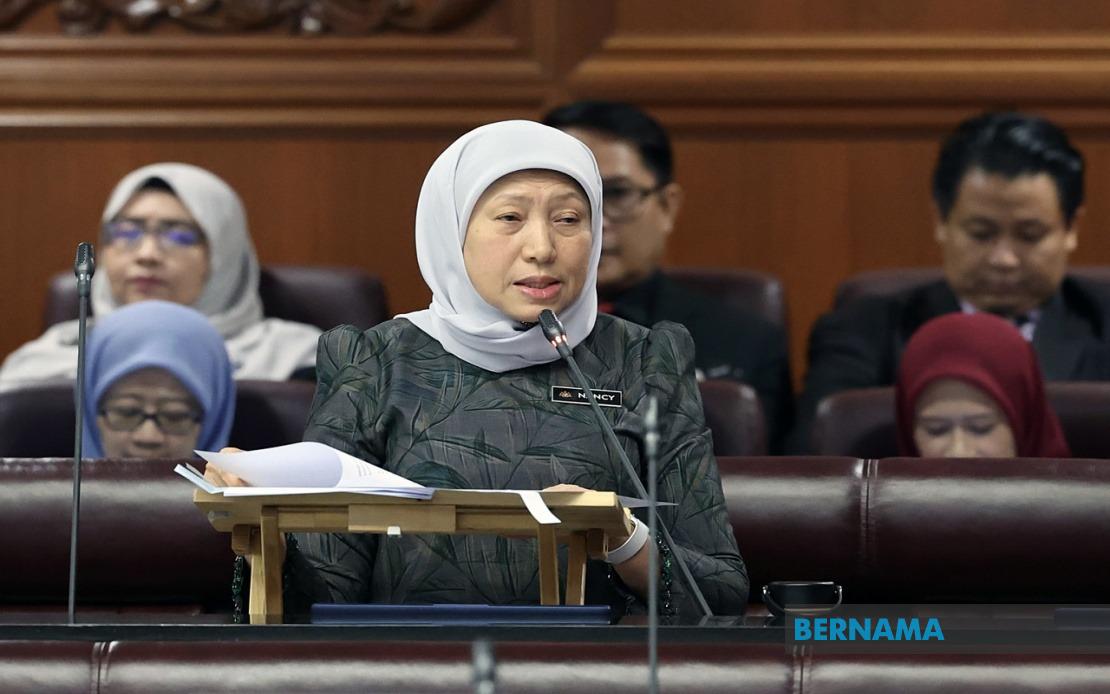
Malaysia is embarking on a comprehensive overhaul of its Child Act 2001 (Act 611) in response to 159 recommendations issued by the United Nations Committee on the Rights of the Child (UNCRC). The review, announced by Minister Datuk Seri Nancy Shukri in Parliament, signals the government's commitment to strengthening legal protections for children and aligning domestic law with international child rights standards. The Concluding Observations from the UNCRC have identified critical gaps across multiple areas of child welfare, from legislative frameworks to enforcement mechanisms and the practical implementation of children's rights across the country.
During her address to the Dewan Negara, Nancy Shukri outlined the breadth of the UNCRC's concerns, which extend beyond simple legislative amendments to encompassing systemic improvements in how Malaysia safeguards its most vulnerable citizens. The recommendations touch on legal reforms that would modernise outdated provisions, bolster existing protections against child abuse and exploitation, and establish more robust procedures to ensure children's rights are not merely enshrined in law but actively upheld in practice. This multi-dimensional approach reflects growing international recognition that child protection requires coordination across government, civil society, and community stakeholders rather than isolated policy tinkering.
What distinguishes this review is its explicitly collaborative structure. Rather than positioning the Ministry of Women, Family and Community Development as the sole authority, the government has committed to a multi-agency approach that draws expertise and input from various government ministries and specialised agencies. This horizontal governance model acknowledges that child welfare intersects with health, education, law enforcement, and social services. By fostering inter-agency cooperation from the outset, the review aims to produce cohesive reforms that work across bureaucratic silos and reflect the complex realities of child protection in a diverse, rapidly urbanising society like Malaysia.
The specific areas flagged for examination reveal the depth of the proposed changes. KPWKM will scrutinise the Child Act 2001's provisions on child protection mechanisms and reporting procedures, recognising that outdated reporting channels may leave vulnerable children without accessible avenues for help. Children's court procedures will also come under review, with an eye toward modernising processes to be more child-sensitive and trauma-informed. The family and community care framework, rehabilitation services, and follow-up support systems are all slated for evaluation, suggesting the ministry recognises that post-intervention care often determines whether a child's situation genuinely improves or simply changes form.
Central to the review is clarifying and strengthening the roles of parents, guardians, and relevant agencies in child protection. Malaysia's current framework may inadvertently create ambiguities about responsibility and authority, potentially leaving gaps where children fall through institutional cracks. By defining functions more precisely and establishing clear hierarchies of accountability, the revised Act 611 could create a more seamless protective ecosystem. This is particularly important in Malaysia's context, where extended family structures and informal community networks remain influential, yet may not always align with formalised child protection protocols.
The recommendations also push Malaysia toward defining stakeholder functions and authority more explicitly. Child case management often involves multiple actors—social workers, police, medical professionals, teachers, and court officials—whose coordination can be haphazard. The UNCRC has noted that stronger cross-agency collaboration frameworks could significantly improve outcomes. By establishing clearer protocols for information-sharing, joint decision-making, and coordinated intervention, the revised legislation could create a more efficient and effective system. This is not merely bureaucratic housekeeping; research consistently shows that siloed agencies responding independently to child protection cases leads to duplicated efforts, missed warning signs, and delayed interventions.
Improving the responsiveness of interventions and services for children is another key theme. This suggests the UNCRC found instances where Malaysia's child protection system is reactive rather than preventative, responding to crises after they occur rather than identifying and supporting at-risk children early. A more responsive system would involve better training for frontline workers, clearer escalation procedures, and adequate funding for preventative programmes. For Malaysian readers, this implies potential expansion of counselling services in schools, improved trauma support for abused children, and better coordination between education and child welfare systems.
The review's alignment with the Convention on the Rights of the Child and global best practices indicates Malaysia's intention to position itself as a regional leader in child protection. Southeast Asia has faced criticism from international human rights bodies for inconsistent implementation of child protection standards, with Malaysia previously scrutinised over issues including child labour, trafficking, and inadequate prosecution of abusers. This legislative review offers an opportunity to address longstanding weaknesses and demonstrate concrete progress to the international community.
For Malaysian civil society organisations working in child protection, the review represents both opportunity and responsibility. These groups will likely be consulted during the review process, and their input could shape the final recommendations. Conversely, implementation will depend heavily on whether sufficient resources are allocated and whether political will translates into actual enforcement. Past reviews of Malaysian legislation have sometimes resulted in well-intentioned reforms that remain poorly implemented due to budget constraints, staff shortages, or competing government priorities.
The timing of this review also matters. Malaysia faces increasing awareness of contemporary child protection challenges—online exploitation, cyberbullying, and trafficking via digital platforms—that the original 2001 Act could not have adequately anticipated. A comprehensive review provides the legislative space to address these modern threats while updating provisions around traditional concerns like physical abuse and neglect. This dual focus on established and emerging threats suggests the government is thinking comprehensively about child safety across different domains.
Implementation timelines remain unclear from the minister's parliamentary response. The review process itself could extend months or years, and moving from recommendations to enacted amendments requires further parliamentary approval. During this interim period, the existing Child Act 2001 remains the operative framework, meaning any identified gaps in protection continue to affect vulnerable children. This underscores the importance of beginning implementation work on non-legislative fronts—training, inter-agency protocols, and resource allocation—in parallel with the formal review process.
The commitment to child rights reform reflects Malaysia's broader positioning within the international human rights architecture. As a signatory to the Convention on the Rights of the Child and periodic subject to UNCRC reviews, Malaysia faces both diplomatic pressure and genuine advocacy from domestic stakeholders to elevate child protection standards. This legislative review, if executed comprehensively and resourced adequately, could meaningfully transform how Malaysia identifies, protects, and supports children in vulnerable circumstances across all communities.

