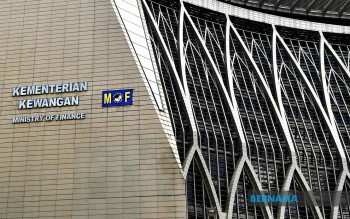
The Buy Now, Pay Later market in Malaysia has expanded significantly, reaching eight million active account holders in the first quarter of 2026, according to figures released by the Ministry of Finance in response to parliamentary questions. This substantial user base reflects the rapid adoption of the deferred payment model across the country, highlighting how deeply this financial innovation has penetrated Malaysian consumer behaviour and spending patterns over recent years. The growth trajectory of BNPL platforms demonstrates the considerable appeal these services hold for Malaysian shoppers seeking flexible payment options in an increasingly digital retail environment.
The financial scale of this market expansion is equally noteworthy, with the Ministry confirming that outstanding BNPL balances reached RM5.3 billion during the same quarter. This figure underscores the economic significance of the sector and suggests that consumers are utilising these platforms for increasingly substantial purchases rather than merely small discretionary items. The concentration of such a large amount of deferred credit within a relatively young market segment warrants careful monitoring by regulators tasked with maintaining financial stability and protecting consumer interests.
What stands out from the Ministry's assessment is the relatively contained default position within the sector. Overdue amounts totalled RM181.0 million, representing just 3.4 per cent of the total outstanding balance. This relatively low delinquency rate suggests that BNPL borrowers have, thus far, managed their obligations responsibly, though the Ministry itself acknowledged the importance of maintaining vigilance as the market continues to mature and potentially reaches consumer segments with varying repayment capacities.
Perhaps most significantly for Malaysian household finances, BNPL debt remains marginal within the broader credit landscape. The Ministry noted that these liabilities account for approximately 0.3 per cent of total household debt as of the end of 2025, indicating that despite rapid growth, the sector has not yet crowded out other forms of consumer borrowing or created dangerous leverage at the household level. This context is important for policymakers and financial analysts assessing systemic risks to the Malaysian economy, as it suggests BNPL remains a supplementary rather than dominant form of consumer credit.
The regulatory framework governing BNPL providers has undergone significant tightening as the sector matures. The Consumer Credit Commission, known locally as SKP, has established both authorisation standards and conduct standards that set minimum operational requirements for all BNPL firms seeking to remain active in Malaysia. These regulations address critical areas including governance structures, consumer protection mechanisms, and broader regulatory compliance, creating a formal gatekeeping mechanism where previously the market operated with lighter-touch oversight.
The SKP's approach reflects a deliberate policy choice to ensure that only operators meeting rigorously defined standards can serve Malaysian consumers. Rather than allowing the sector to self-regulate or operate under general consumer protection frameworks, the regulator has created a dedicated licensing regime specifically tailored to the BNPL business model. This targeted approach acknowledges the unique risks and characteristics of deferred payment services while establishing a clear baseline below which providers cannot operate.
The formal licensing application period commenced on June 1, 2026, marking a transitional moment for the industry. Existing BNPL providers operating in Malaysia face a November 30, 2026 deadline to submit their respective applications for formal authorisation under the new regime. This compressed timeline creates operational urgency for platforms that must now demonstrate compliance with newly articulated standards or risk losing their market access. For some operators, meeting these enhanced requirements may necessitate significant investments in technology infrastructure, governance systems, and staffing to achieve the regulatory threshold.
During this critical transition period, the SKP is actively engaging with BNPL providers to facilitate their understanding and implementation of licensing requirements. This collaborative approach suggests that the regulator recognises the importance of the sector to the retail economy while remaining committed to protecting consumers from inadequately capitalised or poorly governed operators. The engagement process allows providers to seek clarification on ambiguous requirements and develop compliance strategies tailored to their specific operational models.
For Malaysian consumers and the broader retail sector, this regulatory maturation carries important implications. Enhanced licensing standards should theoretically improve consumer protections, ensuring that BNPL platforms maintain adequate capital reserves, transparent fee structures, and robust dispute resolution mechanisms. However, the transition may also create market consolidation pressures, potentially limiting the number of BNPL providers if smaller operators lack the resources to achieve regulatory compliance. This dynamic could ultimately affect consumer choice and competitive pricing within the sector.
The development also positions Malaysia alongside other Southeast Asian and developed economies that have recognised the need for dedicated BNPL regulation. As the Malaysian market continues its expansion trajectory, the regulatory framework established by the SKP will serve as a critical foundation for sustainable sector growth. The balance between encouraging innovation in consumer finance and protecting households from predatory lending practices or systemic financial risks remains central to the regulator's mandate moving forward.

