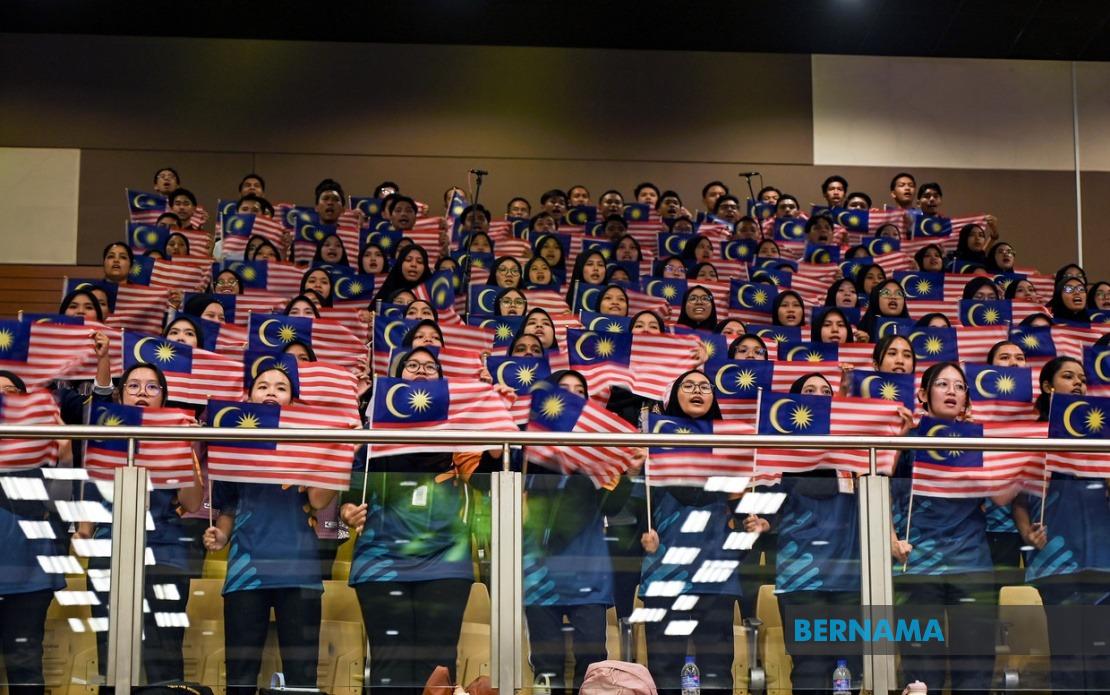
Malaysia's preparations for the Launch Ceremony of National Month and Kibar Jalur Gemilang 2026 have advanced to 80 per cent completion, setting the stage for Sunday's event in Ipoh that aims to strengthen national unity despite its smaller footprint. The ceremony, organised to commemorate National Day and Malaysia Day celebrations, represents a deliberate shift toward inclusive patriotism while maintaining ceremonial significance through strategic live broadcasts and community participation across the country.
Faizal Adanan, deputy director of the Information Department's Communication Services and Community Development Division, confirmed that final preparations are underway at Dewan Sri Perdana within the Sultan Azlan Shah Health Ministry Training Institute in Ipoh. He emphasised that the event's modest scale reflects a conscious decision to prioritise meaningful engagement over spectacle, ensuring the occasion resonates with Malaysians regardless of whether they attend in person. This approach signals a broader shift in how government orchestrates national celebrations, prioritising accessibility through technology rather than relying solely on physical attendance.
The venue's 3,000-person capacity will accommodate diverse segments of Malaysian society, with representation across racial and religious communities forming a cornerstone of the day's messaging. Faizal stressed that this deliberate inclusion strengthens the underlying patriotic sentiment that organisers wish to cultivate, moving beyond tokenism toward substantive representation. The strategic emphasis on diversity reflects Malaysia's multicultural reality and positions the ceremony as a genuine national gathering rather than an exclusive government function.
A centrepiece of Sunday's programme is the Merdeka Patriotic Run, anticipated to draw approximately 2,000 participants and be launched by Communications Ministry secretary-general Datuk Abdul Halim Hamzah. This component introduces a participatory dimension that extends the celebration beyond the formal ceremony, allowing citizens to engage actively with national commemoration. The run format particularly appeals to younger Malaysians and fitness-conscious communities, broadening the demographic reach of official national observance.
Prime Minister Datuk Seri Anwar Ibrahim will officiate the launch ceremony, lending it the highest political authority and underscoring the government's investment in strengthening national cohesion during this particular moment. His presence signals continued governmental commitment to these annual commemorations, particularly as Malaysia navigates contemporary social and political complexities. The PM's participation carries symbolic weight beyond the immediate event, framing national unity as a priority for federal leadership.
The ceremony programme incorporates several patriotic elements designed to generate emotional resonance. ILKKM SAS trainees, whose previous patriotic choir performance became a viral sensation on social media, will deliver another performance, capitalising on their existing popularity to amplify the event's reach beyond traditional audiences. A Jalur Gemilang flag-raising ceremony by security forces will take place after a two-year absence, marking the resumption of this particular ritual and suggesting that organisers view this as an opportune moment to reintroduce ceremonial continuity. Additionally, a local singer will launch the HKHM2026 theme song, and participating government agencies will operate exhibitions showcasing their contributions to national development.
Recognising the event's closed-door nature, organisers have invested substantially in digital dissemination strategies to ensure nationwide participation. Live broadcasts will commence at 10 am on Sunday across multiple platforms including Radio Televisyen Malaysia, Bernama, the Communications Ministry, the Information Department, and the Merdeka360 Facebook Live channel. This multi-platform approach acknowledges that Malaysian audiences increasingly consume official content through social media rather than traditional broadcasting, and reflects sophisticated understanding of contemporary media consumption patterns.
The scaled-back format in Ipoh contrasts with the more expansive National Day celebration planned for Dataran Putrajaya on August 31, which will combine modesty with liveliness according to Communications Minister Datuk Seri Fahmi Fadzil's earlier announcement. This two-pronged approach allows the government to conduct intimate, carefully choreographed messaging in Ipoh while building toward a larger, more public-facing celebration later in the year. The sequential strategy may also serve to sustain patriotic momentum across the extended festive season.
For Malaysian observers, the 2026 launch ceremony represents a microcosm of how contemporary governance balances tradition with pragmatism, spectacle with authenticity, and formality with accessibility. The emphasis on diverse participation, digital reach, and community engagement reflects broader societal expectations that national institutions demonstrate genuine inclusivity rather than merely performing it. The event's success will likely be measured not by attendance figures or production values, but by whether it genuinely cultivates the patriotic spirit it purports to strengthen across Malaysia's multicultural society and beyond traditional government-focused audiences.
Final rehearsals scheduled for Saturday will determine whether the meticulous preparations translate into a seamless execution, with organisers maintaining confidence that remaining tasks will be completed on schedule. The substantial digital infrastructure ensures that technical glitches or logistical challenges at the physical venue will not undermine the ceremony's national impact, providing a safety net for what officials characterise as a community-centred rather than government-centred occasion.

