Malaysia's 2026 National Month and Malaysia Day celebrations are shaping up to be a nationwide showcase of patriotic engagement, with authorities planning scaled-yet-meaningful community activities across multiple sectors. The Department of Information's Communication Services and Community Development Division has orchestrated an extensive network of interactive programmes designed to nurture national spirit while maintaining a moderate budgetary approach. Rather than lavish centralized spectacles, the strategy emphasizes grassroots participation and distributed engagement through mobile units positioned at strategic locations throughout the country.
The centrepiece of this year's commemoration is the 2026 National Month and Fly the Jalur Gemilang Campaign launch, which will be officially inaugurated by Prime Minister Datuk Seri Anwar Ibrahim at Dewan Sri Perdana in the Sultan Azlan Shah Ministry of Health Training Institute training grounds near Ipoh. The ceremonial aspect carries symbolic weight, particularly through the planned resumption of flag-hoisting ceremonies by security forces—a tradition that had lapsed for two years prior. This restoration serves both practical and ceremonial purposes, reestablishing a visible manifestation of national pride while signaling continuity in Malaysia's commemorative traditions.
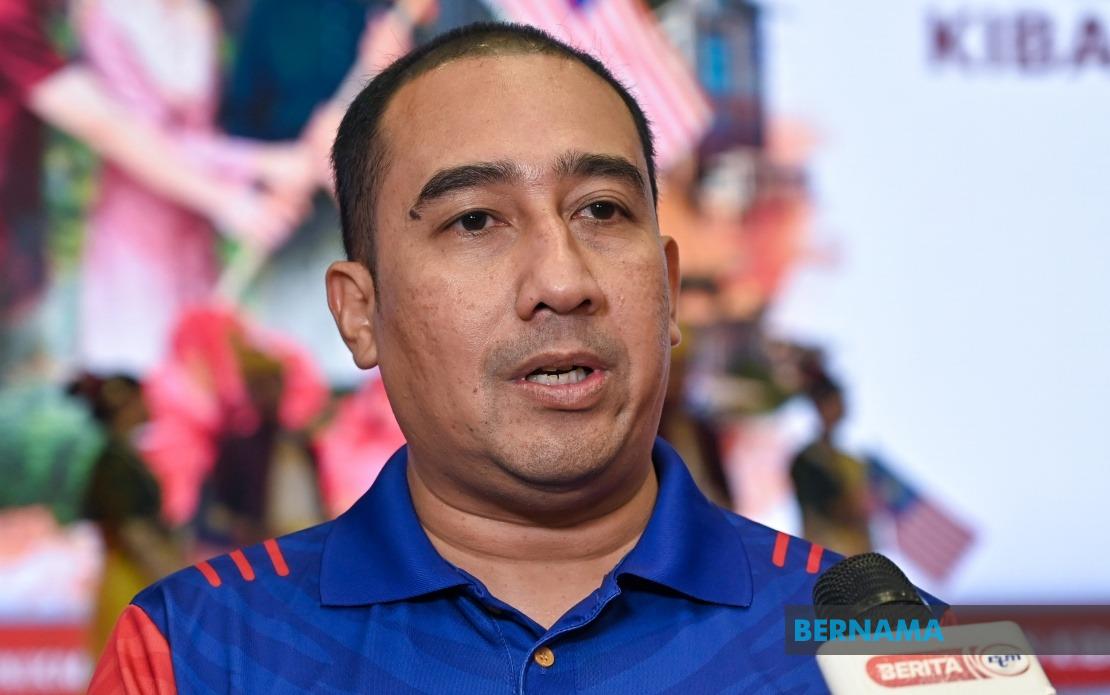
Muhammad Najmi Mustapha, the director overseeing the initiatives, emphasized that despite deliberate cost consciousness, the programming calendar remains robust with compelling activities. Mobile units operated by the Department of Information will establish temporary presence points at selected checkpoints, places of worship, and sports facilities nationwide, transforming these venues into focal points for patriotic engagement. This decentralized approach extends the celebration's reach beyond urban centers, ensuring that communities across Malaysia's diverse geography can participate meaningfully without requiring attendance at singular major events.
The 1 House 1 Jalur Gemilang campaign, which serves as the foundational framework for this year's activities, has undergone substantial expansion. Previously operating through seven clusters encompassing industry, education, security, health, government agencies, higher education, and community organizations, the initiative now incorporates two additional clusters: places of worship and sports venues. This strategic expansion reflects recognition that patriotic messaging resonates most effectively when it permeates multiple institutional and social spheres simultaneously. By engaging religious communities and athletic organizations, the campaign acknowledges Malaysia's multicultural fabric and the diverse spaces where national identity formation occurs.
Through the expanded 1R1JG framework, the Department of Information will distribute Jalur Gemilang kits to participating households and organizations, tangibilizing the campaign's reach beyond symbolic gestures. At religious establishments, the department intends to provide monetary contributions while simultaneously inviting these communities to participate actively in flag-raising activities. This approach transforms patriotic commemoration from top-down instruction into reciprocal community participation, particularly significant in Malaysia's plural religious context where inclusive engagement strengthens rather than undermines national cohesion.
The launch ceremony itself, scheduled for 10 am tomorrow, anticipates approximately 3,000 attendees drawn from the MADANI Community networks across Malaysia. The event will be comprehensively broadcast across multiple digital platforms operated by Radio Televisyen Malaysia, the Malaysian National News Agency, and various social media channels, ensuring nationwide visibility. This multimedia approach recognizes that contemporary civic engagement operates across both physical and virtual domains; simultaneous on-ground and digital presence maximizes accessibility for Malaysians unable to attend in person while amplifying the ceremony's resonance throughout the nation.
A distinctive feature of tomorrow's launch involves the Merdeka Patriot Run, a morning activity that emphasizes collective physical engagement with patriotic themes. Running as a civic activity carries particular appeal in contemporary Malaysia, appealing to health-conscious demographics while creating photogenic moments conducive to social media amplification. The symbolic journey of runners propelling themselves toward flag-raising ceremonies creates a natural narrative arc linking individual effort with national purpose. The subsequent theme song launch adds musical dimension to the celebration, recognizing that melodic content often proves more durable in public memory than speeches or written materials.
From a Southeast Asian perspective, Malaysia's emphasis on grassroots patriotic engagement through dispersed community programming presents a model worthy of regional attention. Unlike authoritarian approaches imposing celebration from above, or purely consumerist approaches treating national days as commercial opportunities, Malaysia's strategy distributes patriotic practice across civic institutions. This reflects the country's longstanding experience managing multicultural nationalism, where inclusive processes often prove more sustainable than exclusive formulations. The incorporation of religious institutions and sports venues acknowledges that patriotism becomes embedded through multiple social pathways rather than single institutional channels.
The deliberate moderation in scale this year, while potentially reflecting budgetary constraints, also signals sophistication in commemorative strategy. Research in civic engagement suggests that moderate-scale distributed activities sometimes generate stronger community participation than massive centralized events. When citizens encounter patriotic messaging at their local places of worship or sports clubs, the integration feels organic rather than imposed. This bottom-up approach may prove more effective at cultivating genuine national sentiment than top-down mobilization, particularly among younger demographics increasingly skeptical of spectacle-based patriotism.
Looking forward, Malaysia's 2026 commemorations will serve as a case study in how nations sustain patriotic engagement amid diverse populations and competing priorities. The expansion of institutional clusters suggests that authorities recognize patriotism requires reinforcement across multiple domains simultaneously. Households, workplaces, educational institutions, security agencies, religious communities, and athletic organizations each transmit cultural values through distinct mechanisms; by engaging all simultaneously, the campaign multiplies channels through which national identity gets reinforced. For Malaysia's regional partners facing similar challenges in multicultural nationalism, the systematic approach to distributed patriotic engagement offers applicable lessons about sustaining national cohesion without sacrificing inclusivity.

