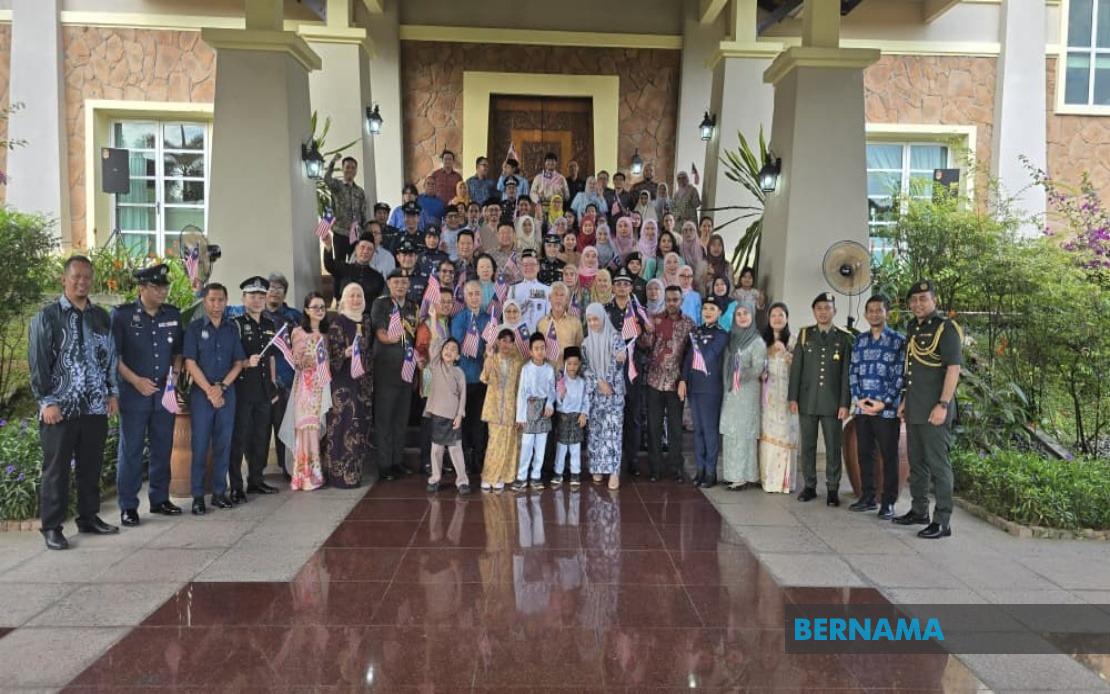
The Malaysian High Commissioner to Singapore, Datin Paduka Anizan Siti Hajjar Adnin, has underscored how Malaysians living in the city-state function as vital connectors between two deeply intertwined neighbours, serving roles that extend well beyond typical expatriate communities. Her remarks came during the Malaysian High Commission's observance of the 2026 National Day parade in Singapore, where she articulated a vision of how everyday Malaysians contribute meaningfully to the relationship that binds the two countries together.
The High Commissioner's characterisation of Malaysians in Singapore as "unofficial ambassadors" reflects a pragmatic understanding of how bilateral relationships operate beyond formal diplomatic channels. This concept gains particular resonance given Singapore's unique position in Malaysian society—the island nation attracts not only long-term residents and professionals, but also tens of thousands of Malaysians who traverse the Johor Strait daily for work, business, or family reasons. These cross-border commuters represent an underappreciated dimension of regional integration, their daily movements embodying the economic interdependence and personal connections that define contemporary Malaysia-Singapore relations.
The relationship between Malaysia and Singapore carries historical weight that shapes contemporary interactions. Both nations emerged from the same colonial administration and share the experience of separation, yet their trajectories have remained interlinked through trade, finance, defence cooperation, and intricate family networks. The High Commissioner's emphasis on the deep roots of bilateral ties—spanning history, geography, economics, culture, and kinship—acknowledges this complexity. For Malaysian readers, this framing serves as a reminder that neighbouring Singapore represents far more than a convenient economic partner; it remains a space where Malaysian identity and values continue to exert influence across society.
Datin Paduka Anizan stressed that Malaysians abroad carry a particular responsibility to embody the nation's finest qualities. She specifically highlighted integrity, professionalism, courtesy, mutual respect, and collective support as the virtues that Malaysian expatriates should project in their daily interactions. This emphasis on behavioural standards reflects broader concerns about how Malaysian communities conduct themselves internationally and the impressions their conduct creates. For a nation conscious of its regional standing and international reputation, the conduct of its citizens abroad becomes an informal barometer of national character.
The High Commissioner's appeal to younger Malaysians in Singapore to maintain connection with their cultural heritage carries specific implications in Singapore's multicultural context. While Singapore itself celebrates diversity, maintaining active engagement with Malaysian language, traditions, and values requires deliberate effort. Her particular emphasis on the Malay language as a unifying national symbol speaks to concerns about language preservation among diaspora communities. For Malaysian readers contemplating migration or extended residence abroad, her message reinforces the importance of maintaining cultural anchors even while building lives in foreign contexts.
The vision articulated by the High Commissioner centres on a Malaysia that balances confidence in its identity with openness to global engagement. This formulation attempts to reconcile two sometimes-competing impulses: the desire to remain firmly rooted in Malaysian values and heritage, and the necessity of participating in an increasingly interconnected world. For expatriate communities particularly, this balance becomes a lived experience as they navigate between maintaining Malaysian identity and integrating into their adopted societies. The challenge of achieving this equilibrium while representing Malaysian interests and values abroad constitutes a genuine tension that high-ranking diplomats like the High Commissioner must continually address.
The participation of over seventy staff members and family members from the Malaysian High Commission itself in the National Day parade underscored the institutional commitment to celebrating Malaysian identity within Singapore's borders. This visible representation of Malaysian officialdom in public celebration serves multiple purposes simultaneously—it affirms Malaysian pride and cultural presence in Singapore, it demonstrates diplomatic commitment to community engagement, and it provides a focal point for Malaysians in the republic to gather and reaffirm their national connections. Such events function as important anchors for diaspora communities that might otherwise experience gradual disconnection from their origins.
For Malaysia's broader strategic considerations, the emphasis on Malaysians in Singapore as bridges to stronger bilateral ties reflects recognition that formal diplomatic relations rest upon foundations built by ordinary people navigating cross-border lives. The thousands of daily commuters, resident professionals, business people, and families with ties spanning the Johor Strait constitute living evidence of integration at the grassroots level. These connections persist regardless of occasional diplomatic tensions or policy disagreements between the two governments, making them valuable stabilising forces in the relationship.
The High Commissioner's address arrives amid broader regional discussions about migration, identity, and belonging in Southeast Asia. As countries in the region grapple with rising populations of expatriates and transnational communities, Malaysia's approach to its citizens abroad becomes a test case for how nations can maintain cultural coherence while accepting that many of their people build substantial portions of their lives elsewhere. The message that Malaysians can simultaneously maintain national identity while contributing positively to host societies offers a constructive framework for understanding contemporary migration patterns.
Looking forward, the High Commissioner's framing suggests that Malaysia views its expatriate communities as strategic assets rather than losses to brain drain or social fragmentation. This reorientation—from seeing Malaysians abroad as having departed the national project to recognising them as extending Malaysian influence and values into neighbouring societies—could reshape how policymakers approach expatriate engagement. The recognition that residents of Singapore, whether temporary or permanent, serve essential bridging functions validates the importance of maintaining connections with these communities and ensuring they remain invested in Malaysia's progress and reputation.

