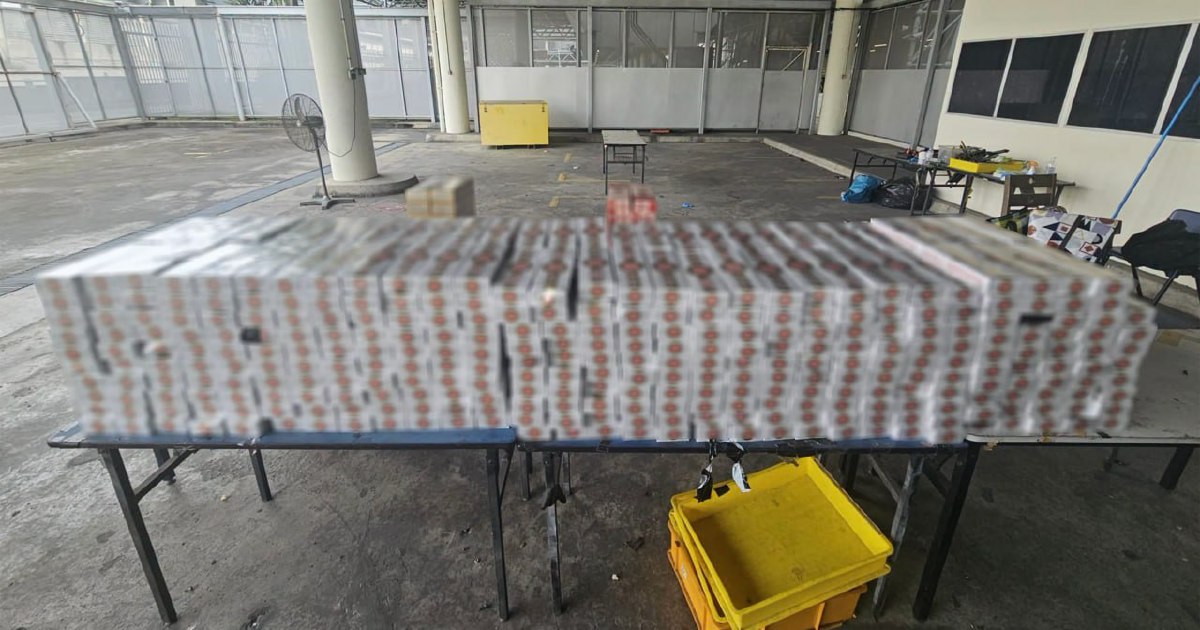
A 30-year-old Malaysian man has been arrested at Singapore's Woodlands Checkpoint following the discovery of a substantial cache of duty-unpaid cigarettes hidden in his vehicle, marking another significant enforcement operation against contraband tobacco trafficking across the Malaysia-Singapore border.
The seizure occurred when Singapore customs and excise officials conducted a standard inspection of the suspect's car as it entered the city-state. Officers uncovered more than 700 cartons and 100 packets of cigarettes that had not been subject to Singapore's stringent excise duties, sparking an immediate investigation. The magnitude of the haul underscores persistent challenges faced by both governments in combating organised smuggling operations that have become increasingly sophisticated at major border crossings.
Cigarette smuggling remains a persistent issue affecting both Malaysia and Singapore, driven by the substantial price differential between the two countries. Singapore imposes among the highest cigarette duties in Asia, making it a lucrative business for organised smuggling networks that operate along the northern border. The discovery at Woodlands—one of the world's busiest land crossings—reflects the ongoing cat-and-mouse game between enforcement authorities and smugglers who continuously adapt their concealment methods.
The arrest represents part of broader intensified enforcement operations conducted by Singapore authorities throughout 2024 targeting illicit tobacco trade. Officials have deployed advanced scanning technology and increased personnel at key checkpoints to intercept contraband destined for Singapore's black market. These operations frequently result in substantial seizures, indicating that smuggling operations continue to attempt transit despite heightened security measures and the substantial penalties imposed by Singaporean law.
For Malaysian authorities, the incident highlights concerns about criminal networks based in Malaysia that operate cross-border smuggling rings. The country has become an important transit point for contraband cigarettes destined not only for Singapore but also for other regional markets. Collaborative enforcement between Malaysian and Singaporean customs agencies has intensified, though the profitability of the trade continues to incentivise criminal entrepreneurs to take significant risks.
The financial motivations driving such smuggling operations are substantial. The differential in cigarette taxation between Malaysia and Singapore can exceed 200% on certain premium brands, creating enormous profit margins for successful smugglers. A single carton might cost a fraction of Singapore's retail price, allowing operators to realise substantial gains even accounting for anticipated seizures and enforcement losses.
Penalties for cigarette smuggling in Singapore are severe, involving substantial fines and potential imprisonment. Customs authorities regularly prosecute offenders, yet the high returns continue to attract individuals willing to accept considerable legal and personal risks. The 30-year-old suspect now faces serious criminal charges that could result in significant custodial sentences alongside substantial financial penalties.
The Woodlands Checkpoint remains a critical focus area for enforcement operations given its status as the primary land border crossing between Malaysia and Singapore, processing approximately 350,000 vehicles daily. The sheer volume of traffic creates operational challenges for inspectors, even with modern screening technologies. Smugglers exploit this environment by attempting to move contraband during peak traffic periods when inspection protocols may be hastened.
From a regional perspective, Singapore's tough enforcement stance reflects the government's commitment to maintaining tax compliance and controlling illicit tobacco trade. The city-state has established itself as having some of the strictest tobacco regulations globally, combining high taxation with aggressive enforcement to discourage both legal consumption and black market activity. These policies have effectively reduced overall smoking rates, though they simultaneously create the incentive structures that perpetuate smuggling.
Malaysian enforcement agencies face particular challenges given the porous nature of parts of the border and the prevalence of organised criminal syndicates involved in contraband trade. Collaboration between Malaysian and Singaporean authorities has expanded considerably, including intelligence-sharing arrangements and joint operations targeting major trafficking networks. However, investigators acknowledge that disrupting supply chains requires addressing both demand-side factors and the underlying economic motivations driving individuals to participate in smuggling operations.
The cigarette seizure also reflects evolving concealment techniques. Smugglers have become increasingly creative in hiding contraband, employing modified vehicle compartments, fuel tank modifications, and sophisticated multi-layered packaging designed to evade detection by standard scanning equipment. The discovery of over 700 cartons suggests professional-level logistics and packaging, indicating potential involvement with established criminal networks rather than opportunistic smuggling.
Both governments recognise that addressing tobacco smuggling requires multifaceted approaches beyond enforcement alone. Public education campaigns highlighting the dangers of counterfeit cigarettes, international cooperation on intelligence sharing, and targeted interventions addressing poverty and economic desperation in border communities form part of comprehensive strategies. Nevertheless, enforcement actions at key checkpoints remain essential frontline defences against contraband flows.

