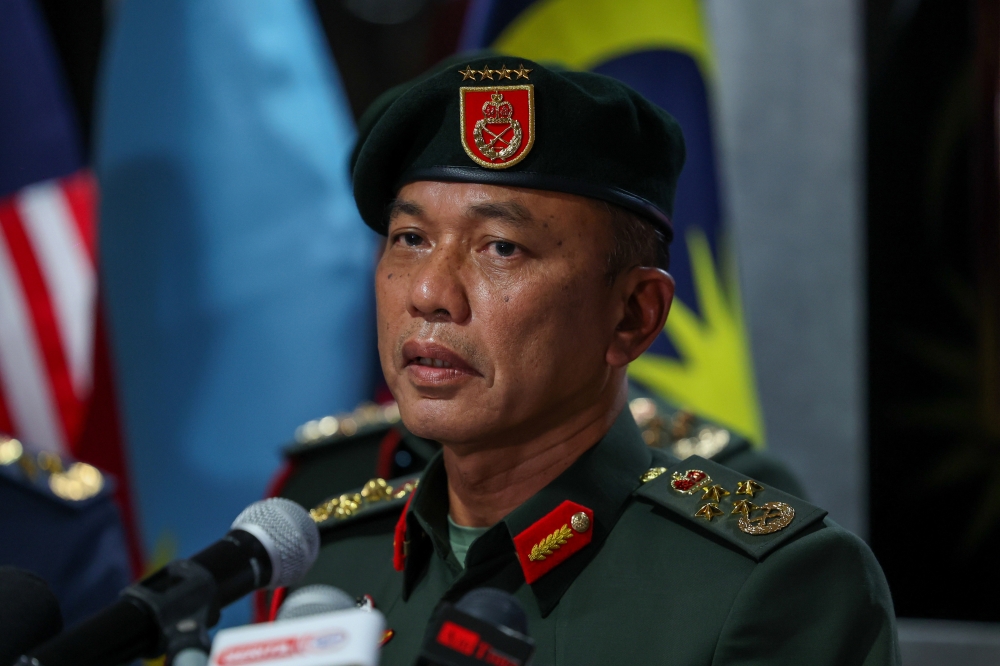
The Malaysian Army has pushed back against viral social media allegations of sexual assault involving one of its service members, asserting that an internal investigation into the matter produced findings that directly contradict the claims circulating online. The military's response, issued through official channels, represents an attempt to manage the reputational damage from widespread public allegations while maintaining institutional credibility in a case that has drawn significant attention from civil society and online communities.
The circumstances surrounding the allegations underscore the growing challenge facing Malaysia's security establishment as social media amplifies accusations of misconduct before formal legal proceedings can take place. The rapid dissemination of the allegations across platforms has created intense public pressure, even as the Army maintains that its internal probe does not substantiate the claims being made. This dynamic reflects a broader tension between traditional institutional authority and the decentralised power of digital discourse in contemporary Malaysia.
Internal military investigations operate within a closed institutional framework that differs significantly from criminal investigations conducted by civilian police or prosecutors. The Army's reliance on its own inquiry process has raised questions about transparency and independence, particularly in cases involving sensitive allegations that affect public trust in the armed forces. The distinction between internal disciplinary findings and potential criminal culpability remains crucial, as the two processes operate under different evidentiary standards and objectives.
The public nature of the allegations has placed the TDM in a defensive position, requiring it to engage directly with social media narratives rather than allowing matters to proceed through conventional channels. This represents a shift in how Malaysia's military institution manages internal misconduct cases, where suppression of information has historically been the preferred approach. The Army's decision to publicly dispute the allegations suggests recognition that silence in the face of viral claims risks compounding reputational damage.
For Malaysian civil society organisations and women's rights advocates, the case exemplifies persistent concerns about accountability within military structures. The armed forces operate under distinct legal frameworks and disciplinary codes that exist somewhat parallel to civilian justice systems, creating potential gaps in oversight and remediation. The alleged victim's decision to seek public attention rather than pursuing purely internal channels reflects frustration with institutional mechanisms and a calculation that external pressure might yield more satisfactory outcomes.
The credibility of internal military investigations remains a contested issue in Malaysian public discourse. Critics argue that institutional loyalty and hierarchical pressures can compromise objectivity in cases involving personnel misconduct. The Army's assertion that its findings contradict social media allegations does not automatically resolve the substantive questions about what actually occurred, particularly when victims and accused parties lack equal access to investigative resources and documentation.
This situation also carries implications for military recruitment and retention, as allegations of sexual assault within the ranks can deter potential service members and damage institutional morale. The TDM's need to address these concerns publicly reflects awareness that reputational harm extends beyond the immediate case to affect broader public confidence in the institution. How the military navigates this challenge will influence both its future workforce profile and its relationships with civilian oversight bodies.
The case intersects with Malaysia's broader efforts to address sexual violence and institutional accountability. While civilian agencies have increasingly engaged with survivors' movements and civil society organisations, the military has historically maintained greater distance from such engagement. This gap creates situations where allegations within the armed forces lack the same public advocacy infrastructure available in civilian contexts, potentially disadvantaging complainants seeking justice or institutional reform.
Moving forward, the resolution of this matter through either civilian criminal justice channels or military disciplinary processes will serve as a benchmark for how Malaysia's security institutions respond to allegations of sexual misconduct. The Army's willingness to publicly refute claims indicates recognition that institutional autonomy in such cases no longer provides sufficient insulation from public accountability demands. Whether the investigation ultimately proceeds to civilian prosecution, remains within military jurisdiction, or concludes at its current stage will signal the extent to which Malaysia's institutions are adapting to evolving expectations around transparency and victim support in sensitive cases.

