Sixteen veterans from the Malaysian Armed Forces have commenced their responsibilities as full-time wardens across eight MARA Junior Science Colleges (MRSMs) starting July 1, representing a significant expansion of an earlier pilot programme aimed at bolstering institutional discipline and addressing longstanding concerns about student safety and bullying. The initiative reflects MARA's broader strategy to leverage the professional experience and background of military personnel in overseeing residential college environments where thousands of gifted students live away from home.
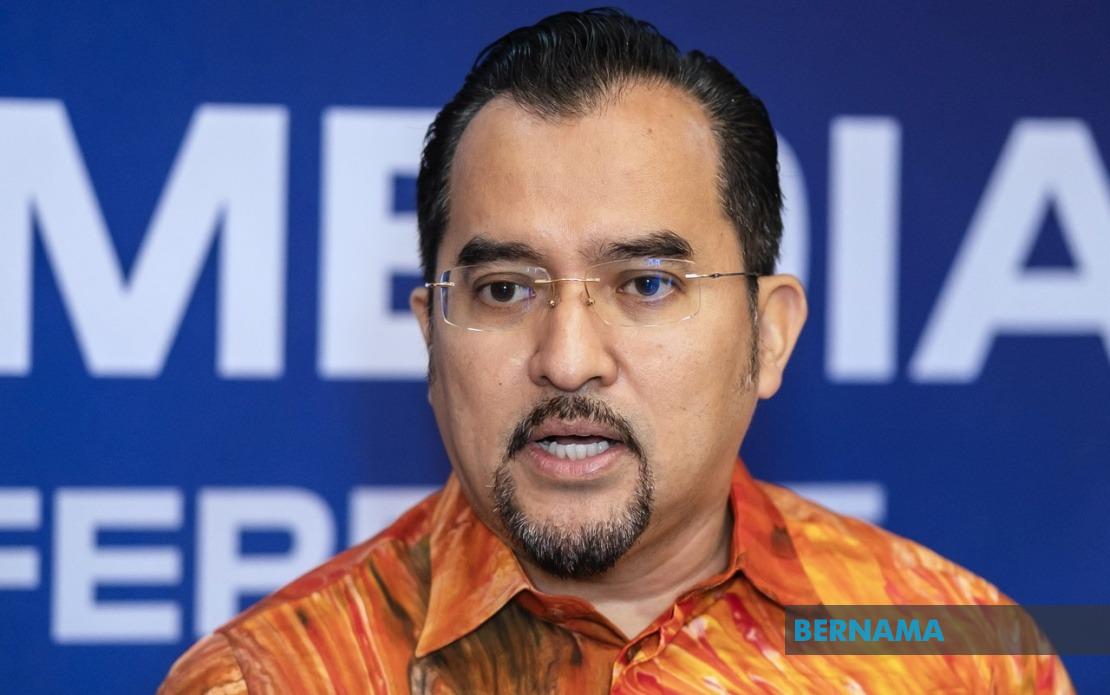
Mara Chairman Datuk Dr Asyraf Wajdi Dusuki outlined the strategic rationale for the appointments, emphasising that the presence of trained, disciplined wardens from military backgrounds would strengthen administrative oversight and create more secure living conditions for vulnerable adolescents. The appointment of former servicemen addresses a critical vulnerability that has periodically surfaced in media reports and public discourse surrounding MRSM facilities, where ragging, bullying, and other disciplinary breaches have occasionally prompted parental and public concern.
This recruitment drive builds directly on lessons learned from a pilot initiative that commenced in October 2025 at MRSM Besut and MRSM Balik Pulau. Having demonstrated measurable improvements in those two institutions, MARA has expanded the model to encompass a further eight colleges in this second phase, with an ultimate objective of rolling out the programme across all 58 MRSM facilities nationwide by January 2027. The phased expansion reflects a cautious, evidence-based approach to systemic change rather than precipitous institutional overhaul.
The current recruitment process is distinctly rigorous. Across the eight colleges, MARA will deploy 32 wardens in total, organised as two male and two female pairs at each institution. The first phase, commencing July 1, involves placement of 16 male wardens, whilst female recruitment remains in active progress with 162 applications received and online assessment already completed on June 25. The female candidates will participate in physical interviews scheduled for July 2, with appointments anticipated to follow the same comprehensive vetting procedures.
The selection machinery comprises multiple stakeholders working in coordinated fashion. Glokal Link Sdn Bhd, a MARA subsidiary, orchestrates the process alongside the MARA Secondary Education Division, the Veterans Affairs Department (JHEV), TalentCorp, and the Malaysian Armed Forces Psychology and Counselling Section. This multi-agency framework ensures that appointments are not driven by a single institutional perspective but rather reflect broader national standards for residential care supervision.
Candidates undergo a sophisticated battery of screening mechanisms designed to identify not merely qualified personnel but individuals psychologically suited to working with adolescents in sensitive residential settings. Physical interviews held on June 15 and 16 at the MARA Higher Skills Institute in Kepong involved 147 candidates, of whom 139 were male applicants who had successfully navigated initial and secondary screening phases. The assessment instruments deployed include the MyNext OCEAN and RIASEC psychometric tests, military psychological evaluations, mental health screening, BMI assessments, and the bleep fitness test, alongside panel interviews conducted by representatives from multiple agencies.
Critically, Asyraf Wajdi emphasised that appointment eligibility is exclusively reserved for military veterans who completed service honourably and were not discharged due to misconduct, serious disciplinary violations, or legal infractions. This criterion immediately filters out unsuitable candidates and establishes a baseline of professional credibility. Prior to offer letters being formalised, the PDRM conducts criminal background verification and cross-referencing against child sexual offender registries, creating additional protective layers against institutional risk.
The psychological screening represents a particularly sophisticated dimension of the vetting process, reflecting heightened awareness internationally regarding safeguarding protocols in residential settings housing minors. Candidates advancing to the final assessment phase undergo evaluation by Malaysian Armed Forces psychologists and counsellors, specifically focusing on child protection awareness, potential sexual misconduct risks, impulse control assessment, understanding of appropriate warden-student boundaries, and overall psychological suitability for hostel placement. This evaluation goes substantially beyond conventional reference-checking and addresses neuropsychological factors that might influence a warden's behaviour in stressful residential situations.
Datuk Dr Asyraf Wajdi's explicit emphasis that no appointment letters would be issued until all critical screening processes were finalised signals a deliberate institutional commitment to transparency and public accountability. This pronouncement directly responds to broader societal anxiety regarding institutional safeguarding, particularly in contexts where young people from across Malaysia congregate in residential environments. The statement effectively places MARA on record as prioritising student welfare over administrative convenience or recruitment timeline pressures.
The programme expansion to encompass all 58 MRSMs by January 2027 carries significant budgetary and logistical implications for MARA. The recruitment and deployment of approximately 232 wardens across the entire system (assuming the same two-male, two-female ratio) represents a substantial institutional investment in residential supervision infrastructure. The decision reflects MARA's recognition that excellence in academic provision must be accompanied by excellence in pastoral care and residential management.
For Malaysian parents with children in MRSM facilities, the initiative offers reassurance that institutional governance is evolving in response to identified vulnerabilities. The involvement of military psychology professionals and the explicit focus on safeguarding protocols suggests that MARA is adopting contemporary best-practice standards in institutional child protection, aligned with international frameworks that prioritise prevention and early intervention over reactive crisis management.
The venture also carries implications for military veterans' employment and reintegration into civilian professional contexts. The programme creates meaningful post-service career pathways for former servicemen and women, recognising that military discipline and leadership experience translate into valuable skill sets for residential institution management. As Malaysia continues to grapple with veteran employment and social integration, initiatives such as this demonstrate how military expertise can be channelled into civilian sectors where structured, hierarchical, and discipline-oriented approaches are genuinely valued.
The success of this initiative will likely be scrutinised closely by other Malaysian residential educational institutions and by MARA itself as it contemplates further expansion. Should the programme demonstrate measurable improvements in student discipline, safety outcomes, and parental confidence across these eight colleges, it may establish a template for residential supervision that other government-linked companies and private educational institutions could replicate. Conversely, any significant incidents or public concerns would equally subject the model to critical review and potential revision.

