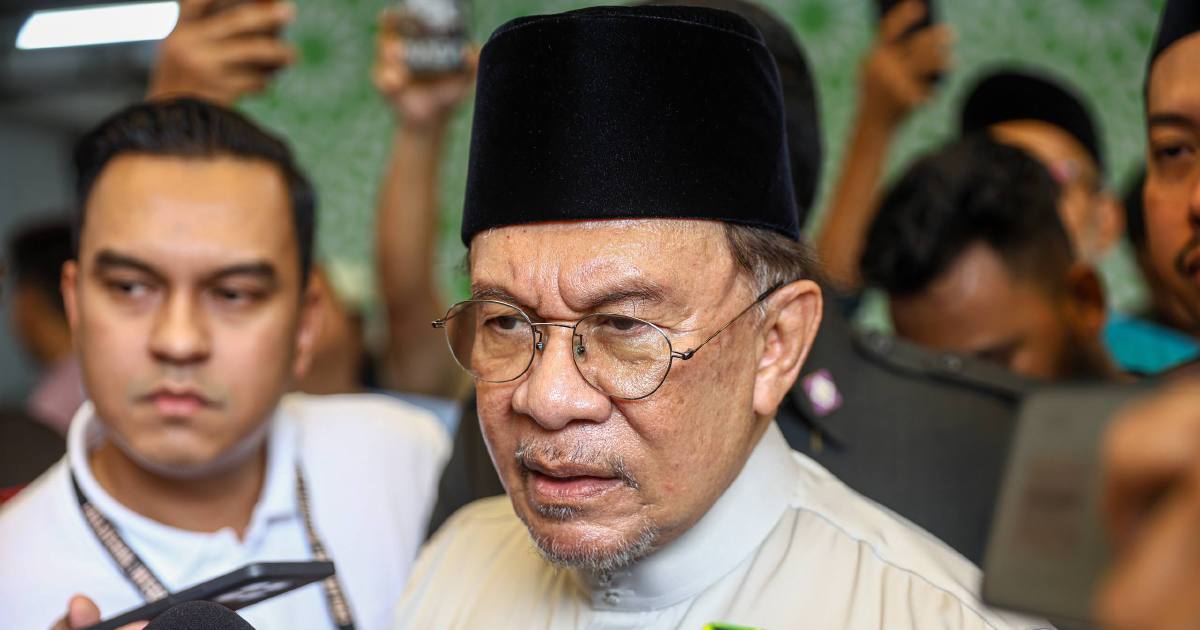
Prime Minister Datuk Seri Anwar Ibrahim has reaffirmed Malaysia's unwavering commitment to pursuing fugitive businessman Low Taek Jho—commonly known as Jho Low—within its own jurisdiction, making clear that any presidential pardon from the United States would not deflect the country's enforcement efforts. In remarks delivered in Kuala Lumpur, Anwar underscored that Malaysia's legal strategy remains grounded in its sovereign right to investigate and prosecute cases of financial wrongdoing on Malaysian soil, independent of the decisions taken by foreign governments.
The statement carries significant weight given the ongoing international manhunt for Jho Low, who remains at large despite being a central figure in one of the world's largest financial scandals. The 1MDB affair has cast a long shadow over Malaysia's financial reputation and governance landscape, resulting in billions of ringgit in alleged misappropriation and implicating numerous high-profile figures across government, business, and finance. Anwar's declaration reflects a determined posture on behalf of the Malaysian authorities to demonstrate that accountability remains a priority regardless of external political developments or shifting diplomatic circumstances.
Malaysia's position vis-à-vis Jho Low has been complicated by his apparent flight from jurisdiction and the involvement of multiple countries in the investigation and prosecution process. The United States has pursued its own criminal cases related to Jho Low's activities, resulting in significant convictions and financial settlements. However, the Malaysian authorities have consistently maintained that their own cases—rooted in Malaysian law and affecting Malaysian national interests—cannot be superseded or rendered moot by foreign legal proceedings alone. This principle of jurisdictional independence and the protection of domestic legal processes underpins Anwar's latest statement.
The spectre of a potential presidential pardon has loomed larger in recent months as political circumstances in Washington have evolved. Such a pardon would effectively shield Jho Low from prosecution in the United States, potentially complicating international cooperation efforts and enforcement mechanisms. However, Anwar's remarks suggest that Malaysia is neither dependent on nor swayed by the outcome of such proceedings. The Prime Minister's assertion essentially signals that Malaysia intends to continue building and pursuing its own cases based on evidence, witness testimony, and legal procedures within its own courts.
For Malaysian citizens and observers, this statement carries both reassurance and symbolic significance. The 1MDB scandal profoundly damaged public trust in financial institutions and governance structures, touching the lives of millions through its effects on the national development fund and its broader implications for economic stability. Many Malaysians view accountability in this case as essential to restoring confidence in the system and demonstrating that no individual, regardless of wealth or international connections, can evade justice indefinitely. Anwar's firm stance reflects these expectations and the political capital invested in pursuing justice for what occurred.
The international dimension of the Jho Low case illustrates the challenges posed by financial crimes conducted across borders with the assistance of global banking and legal systems. Malaysia's determination to maintain its own prosecutorial efforts ensures that the country's perspective and interests are represented in the global conversation about accountability. This approach also strengthens Malaysia's broader agenda regarding financial crime detection and prevention, positioning the nation as serious about protecting its economic sovereignty and institutional integrity.
Jho Low's network and the mechanisms through which funds allegedly flowed remain subjects of ongoing investigation and discussion among Malaysian authorities, international law enforcement, and financial regulators. The case has produced lessons about corporate governance, beneficial ownership transparency, and the vulnerabilities of fund management systems that remain relevant across Southeast Asia. By maintaining its independent legal position, Malaysia contributes to a regional and global discourse on these critical issues.
Anwar's remarks also reflect Malaysia's broader commitment to the rule of law and institutional reforms undertaken since 2018. The establishment of various task forces, prosecutorial offices, and investigative bodies dedicated to recovering assets and bringing wrongdoers to account represents a substantial investment in national accountability mechanisms. These institutions provide the foundation upon which Malaysia can pursue cases independently, regardless of parallel proceedings elsewhere.
Looking forward, the pursuit of Jho Low remains emblematic of Malaysia's effort to address legacy issues from the previous administration while establishing itself as a country that takes financial governance seriously. The fugitive businessman has become a symbol of the institutional failures that preceded current reform efforts, making his eventual capture and trial significant from both a legal and symbolic standpoint. Anwar's unequivocal statement underscores that Malaysia's legal system will not be deterred by external developments, reinforcing the message that accountability remains central to the government's agenda and the nation's path toward restored confidence in its institutions.

