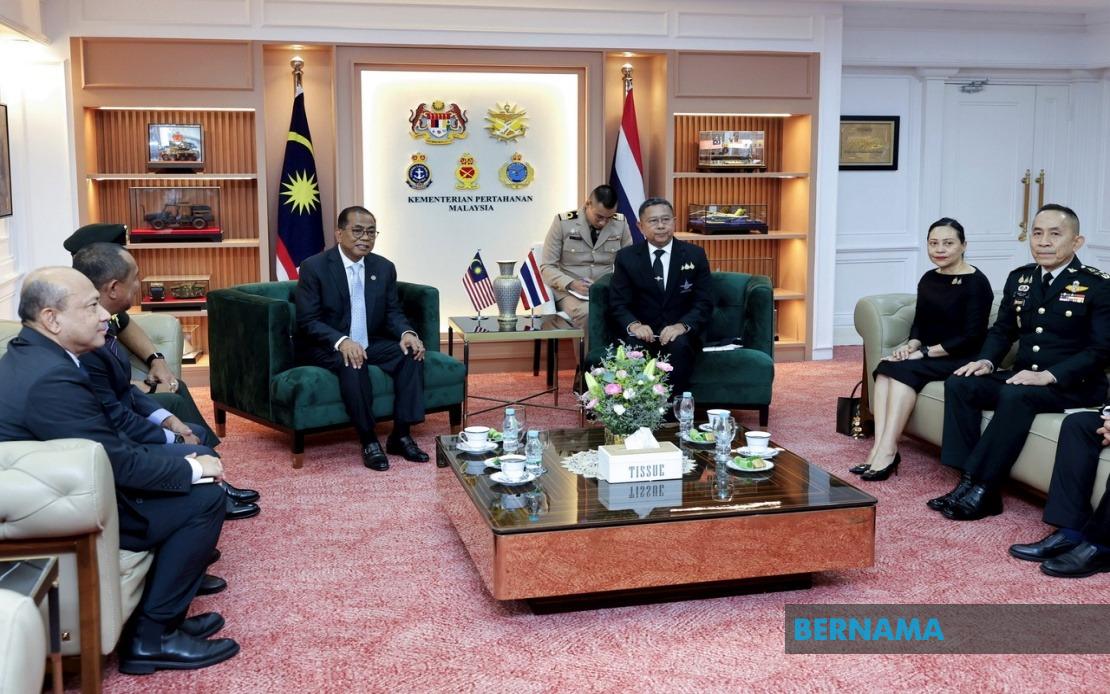
Malaysia has committed to working more closely with Thanut Suvarnananda, the recently named chief of Thailand's Peace Dialogue Panel, as both nations seek to accelerate efforts aimed at achieving lasting peace and stability in southern Thailand. Defence Minister Datuk Seri Mohamed Khaled Nordin made the announcement following bilateral discussions with visiting Thai Defence Minister Lieutenant General Adul Boonthumjaroen, signalling Kuala Lumpur's continued dedication to the region's security challenges despite the shifting leadership in Bangkok's diplomatic structures.
The appointment of Thanut to oversee Thailand's peace dialogue initiatives represents a meaningful development in the multilayered effort to address the decades-long insurgency and communal tensions that have plagued the southern border region. Mohamed Khaled's public endorsement of the new appointment underscores Malaysia's pragmatic approach to regional security, recognising that personnel changes at the senior negotiating level can either facilitate or impede diplomatic progress. By publicly welcoming Thanut's appointment and expressing optimism about his tenure, Malaysia has positioned itself as a supportive partner invested in the success of Bangkok's peace machinery, a critical symbolic gesture in dialogue processes where trust and goodwill often prove as valuable as formal agreements.
Crucially, Mohamed Khaled emphasised that Malaysia's involvement in addressing southern Thailand's challenges operates within carefully defined boundaries. The Defence Minister reiterated that Malaysia's mandate is strictly limited to facilitating dialogue between the conflicting parties, while military responses and internal security governance remain squarely within Thailand's sovereign authority. This clarification carries particular significance given historical sensitivities around foreign intervention in Thailand's domestic affairs and the delicate balance required when a bordering nation becomes involved in another country's internal disputes. By maintaining this distinction, Malaysia protects both its own strategic interests and respects Bangkok's need to retain full control over security decision-making in its territory.
Datuk Rabin Basir continues to serve as Malaysia's official facilitator in the Southern Thailand Peace Dialogue framework, a role that has become increasingly important as the conflict has evolved. Malaysia's facilitation role reflects both its geographic proximity and its long experience in navigating cross-border security dynamics with Thailand, a relationship spanning generations of bilateral cooperation. The continuity represented by Rabin's ongoing involvement provides stability to the dialogue process, even as Thai personnel changes introduce new faces to the negotiating table.
Beyond peace dialogue mechanisms, the two defence ministers identified border security as a pressing area requiring enhanced bilateral action. They agreed to intensify cooperation through the Malaysia-Thailand General Border Committee to address smuggling networks and prevent armed elements from transiting across the frontier. These practical security measures complement the diplomatic efforts, recognising that sustainable peace requires both negotiated settlements and enforcement mechanisms that disrupt the criminal ecosystems often intertwined with armed conflict in border regions.
Malaysia's decision to host the 57th General Border Committee Meeting during 2024 will provide an opportunity to address multiple security dimensions simultaneously. The scheduled discussions encompassing border security, joint military operations, cross-border socio-economic development, and disaster management reflect a comprehensive understanding that regional stability depends on coordinated action across security, economic, and humanitarian domains. The inclusion of socio-economic development in border agendas acknowledges the reality that communities living on either side of the Malaysia-Thailand frontier face shared challenges that cannot be resolved through security measures alone.
Mohammad Khaled also highlighted Malaysia's position on Thailand's separate territorial dispute with Cambodia, endorsing Bangkok's preference for bilateral negotiation within the framework of the ASEAN Way, which privileges non-interference and peaceful dialogue over external pressure or formal mediation structures. By signalling support for Thailand's chosen approach, Malaysia avoids becoming entangled in a separate regional dispute while simultaneously reinforcing ASEAN's consensus-based diplomatic methodology. The decision to brief the Philippines, which will chair ASEAN in 2026, reflects a strategic approach to managing regional tensions within institutional frameworks where all stakeholders retain agency.
The bilateral meeting also functioned as a coordination exercise ahead of major regional defence forums scheduled for the Philippines later in the year. Malaysia and Thailand sought to align their positions before the ASEAN Defence Ministers' Meeting and its expanded format, demonstrating that even during individual bilateral engagements, defence ministers must maintain awareness of broader multilateral dynamics. This alignment process helps prevent surprises during larger gatherings where consensus requirements can be disrupted by unexpected disagreements among key players.
A Memorandum of Understanding on defence industry cooperation represents another substantive outcome from the discussions. The planned MoU signals both countries' intention to deepen partnership beyond traditional security cooperation into the more specialized domain of domestic defence manufacturing and technological development. For Malaysia, such arrangements provide opportunities to access Thai expertise and production capabilities while potentially offering its own defence industrial base as a complementary partner. These economic dimensions of defence cooperation often receive less attention than diplomatic or military aspects, yet they create sustained incentives for stable bilateral relationships and reduce vulnerabilities associated with overdependence on single suppliers.
The broader context of Malaysia's engagement with southern Thailand's peace process reflects the country's strategic positioning as a bridge between Thailand and the Muslim-majority communities affected by decades of conflict. Malaysia's Muslim-majority population and Islamic institutions provide it with cultural and religious credibility that other regional actors may lack. This soft power advantage becomes particularly valuable in dialogue processes that involve ethno-religious dimensions, where negotiators from outside communities may face credibility challenges in discussions with affected populations.
Regional observers will be watching whether the appointment of Thanut Suvarnananda revitalises peace efforts that have experienced various degrees of momentum over the past decade. Thailand's southern insurgency has periodically eased into ceasefires before reigniting with renewed intensity, suggesting that structural factors driving conflict persist despite diplomatic initiatives. Malaysia's willingness to maintain active facilitation despite this history reflects either sustained optimism about eventual resolution or pragmatic recognition that the costs of non-engagement would exceed the uncertain benefits of involvement.
The security challenges facing both Malaysia and Thailand in their shared border region remain formidable, encompassing traditional military concerns, criminal networks, and the complex socio-economic grievances underlying armed movements. The strengthened coordination between Kuala Lumpur and Bangkok, evidenced by defence minister-level engagement and planned institutional meetings, suggests that both governments recognise the necessity of sustained, multifaceted approaches to regional stability. Whether these initiatives produce meaningful progress toward sustainable peace in southern Thailand will depend heavily on the commitment of all parties at the negotiating table and the broader willingness of conflicting communities to pursue political settlement over continued violence.

